


Japan Shinkansen Guide: Routes, Classes, and Booking


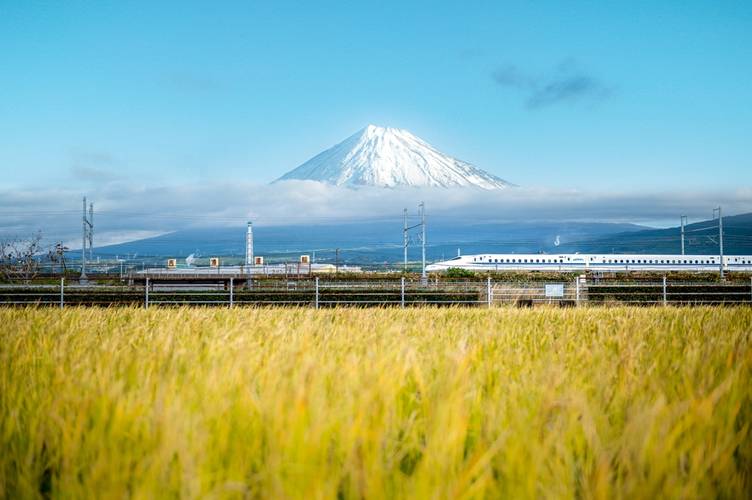
Japan's bullet train network has run since 1964, and it still sets the global standard for high-speed rail: speeds up to 320 kilometres per hour, over 99% on-time performance, and a route map that connects nearly every major city worth visiting. This guide covers the lines, seat classes, and how to actually book a ticket.
Book flights into Tokyo to begin your Shinkansen journey.
Discover Flights With Traveloka
Mon, 19 Oct 2026

Air China
Hanoi (HAN) to Tokyo (NRT)
Start from 3.776.967 VND
Sun, 18 Oct 2026
Air China
Ho Chi Minh City (SGN) to Tokyo (NRT)
Start from 4.017.496 VND
Thu, 29 Oct 2026

Air Seoul
Da Nang (DAD) to Tokyo (NRT)
Start from 3.705.943 VND
Why Take the Shinkansen
Beyond raw speed, the appeal comes down to reliability and comfort that air travel inside Japan rarely matches once airport transfers and security are factored in. Stations sit in city centres rather than out on the periphery, and scenic stretches, particularly the Tokaido Line's run past Mount Fuji, add genuine sightseeing value to what's otherwise a functional transfer. It's also considerably more eco-friendly per passenger than either flying or driving the same routes.
The Main Shinkansen Lines
Tokaido Shinkansen
The oldest and busiest line, running since 1964, connects Tokyo to Osaka via Nagoya and Kyoto, and remains the backbone of Japan's rail network for good reason: this single corridor carries more daily passengers than almost any other high-speed line in the world.
Tohoku Shinkansen
Heading northeast from Tokyo toward Sendai and Hachinohe, this line opens up a part of Japan considerably less crowded with tourists than the Tokyo-Osaka corridor.
Joetsu and Hokuriku Shinkansen
Joetsu runs from Tokyo to Niigata, while Hokuriku heads to Kanazawa, both useful for travellers building an itinerary beyond the standard Golden Route.
Sanyo, Kyushu, and Hokkaido Shinkansen
Sanyo extends the network from Osaka to Fukuoka, Kyushu continues south to Kumamoto and Kagoshima, and Hokkaido, the newest addition, finally connects Japan's northern island into the same high-speed system. An extension from Shin-Hakodate-Hokuto through to Sapporo is under construction but running well behind its original 2030 target, with current projections pushing completion toward the end of the 2030s, so travellers continuing into central Hokkaido still need to transfer to a limited express train for now.
Booking a Tokyo-Kyoto Ticket
A Nozomi Shinkansen ticket between Tokyo and Kyoto, the fastest service on the Tokaido Line, can be booked ahead of arrival, with confirmation sent by email and a QR code scanned at the station's ticket machine for the physical ticket. Reserved seats guarantee a spot, while non-reserved cars offer more flexibility on departure time at the cost of a possible standing wait during peak periods.
A hotel near Tokyo Station keeps you close to the Tokaido Line's main departure point, useful if an early Shinkansen is part of your itinerary.
Seating Classes and Pricing
Ordinary Class
Standard comfort with an adjustable backrest, one-way fares typically run from roughly USD 50 to 150 depending on distance, making this the default choice for most travellers.
Green Class
Wider seats and complimentary beverages come with Green Class, priced from around USD 80 to 200 one-way, a reasonable upgrade for longer routes like Tokyo to Fukuoka.
Gran Class
The most luxurious tier, Gran Class includes gourmet meals and significantly more legroom, running from roughly USD 150 to 400 one-way and available on select Tohoku and Hokkaido services.
Luggage Rules
Bags are generally fine as long as their combined dimensions don't exceed roughly 250cm in height, width, and length together, plus one small personal item per passenger. Oversized luggage on the Tokaido, Sanyo, and Kyushu lines requires a specific reserved seat near the storage area, booked in advance rather than assumed available on the day.
How to Book Your Ticket
Online Platforms
Booking through an online platform, including Traveloka, ahead of travel avoids station-counter queues entirely and locks in a reserved seat before peak-hour trains fill up.
Station Ticket Counters
Look for "Midori no Madoguchi" counters at major stations if booking in person, staffed specifically for Shinkansen and other JR reservations.
Automated Machines and the JR Pass
Vending machines handle straightforward point-to-point tickets quickly, while JR Pass holders still need to make seat reservations separately even though the pass itself covers most Shinkansen fares.
Is the JR Pass Worth It in 2026
The nationwide 7-day JR Pass currently runs ¥50,000 in Ordinary class, and that price is set to rise to ¥53,000 through overseas agents from October 1, 2026, so booking before that date locks in the lower rate if your travel dates allow it. Whether the pass pays off comes down to how many long-distance legs you're covering: a single Tokyo-Kyoto-Osaka round trip alone can come close to justifying the cost, while a Tokyo-only stay generally won't.
Comparing individual Nozomi ticket prices against the pass total before committing is worth the ten minutes it takes, especially now that the gap between pass and point-to-point pricing has narrowed since the 2023 price increase.
Planning a Multi-City Shinkansen Trip
The Golden Route
Tokyo, Kyoto, and Osaka along the Tokaido Line remain the standard first-timer route, connected by frequent, fast, direct service.
Adding Kanazawa or Sendai
Travellers with more time can branch off the main corridor via the Hokuriku or Tohoku lines without needing to backtrack through Tokyo first.
Getting to and from Shinkansen Stations
A car rental makes little sense within cities well served by the Shinkansen network, though an airport transfer from Narita or Haneda smooths the first leg into Tokyo before your rail journey begins.
Plan Your Japan Rail Trip with Traveloka
Coordinating flights into Tokyo, a station-adjacent hotel, and your first Shinkansen ticket is easier when it's all bookable in one place. A Nozomi ticket books alongside your hotel in the same Traveloka session, no separate JR booking site required, with activities, eSIM, and travel insurance covered in the same app. Over 100 million travellers across Southeast Asia already use it as the region's leading platform for exactly this kind of multi-booking trip. A quick check of current promotions is worth doing too. Download it and lock in your rail tickets before the October fare change.
Tags:
japan
shinkansen




Recommended Articles
Tokyo to Kyoto: The Ultimate Guide
How to Get from Kansai International Airport to Kyoto in 2024
Tokyo to Kyoto: Transportation Options, Costs, and Travel Tips

How To Get To Mount Fuji From Tokyo

Public Transportation Options to Disneyland
Seasonal Guide to Discover the Best Time to Visit Osaka


