


Free Things to Do in Tokyo: 12 Top Picks for 2026


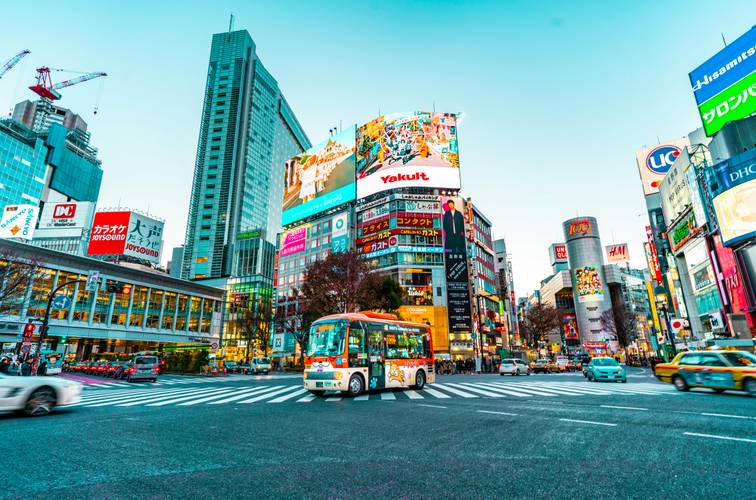
Tokyo is one of the world's great cities, and the good news is that its most memorable experiences cost nothing at all. Ancient shrines, neon-lit crossings, tranquil parks, and atmospheric old-town lanes are all yours without spending a single yen on admission. Whether you are a first-time visitor or returning for another season, this guide covers 12 genuinely free attractions across the city — all verified open in 2026. Book your flights and let Tokyo's no-cost highlights take care of the itinerary.
Discover Flights With Traveloka
Wed, 21 Oct 2026

Air Macau
Bangkok (BKK) to Tokyo (NRT)
Start from THB 6,414.22
Mon, 19 Oct 2026

Thai Air Asia X
Bangkok (DMK) to Tokyo (NRT)
Start from THB 6,843.04
Thu, 22 Oct 2026
Thai Air Asia X
Chiang Mai (CNX) to Tokyo (NRT)
Start from THB 6,466.65
1. Meiji Jingu Shrine
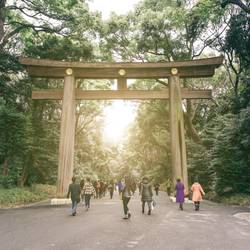
Set within 70 hectares of forested grounds in the heart of Harajuku, Meiji Jingu is Tokyo's most important Shinto shrine, dedicated to Emperor Meiji and Empress Shoken. The towering cedar-wood torii gate at the entrance sets a contemplative tone long before you reach the main hall, and the forest canopy creates a remarkable sense of calm just minutes from one of the world's busiest urban districts. Entry to the main grounds is completely free; only the separate Inner Garden charges admission. Opening hours vary by season — check the official site for the exact times of your visit date.
2. Senso-ji Temple, Asakusa
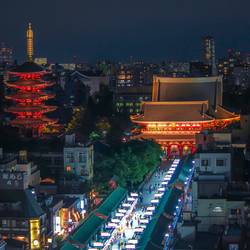
Founded in 628 AD, Senso-ji is Tokyo's oldest Buddhist temple and one of its most visited landmarks, yet it remains completely free to enter. The famous Kaminarimon (Thunder Gate) and its enormous red paper lantern mark the start of Nakamise-dori, a vibrant shopping lane leading up to the main hall. The temple grounds are accessible around the clock, while the main hall opens at 6:00 AM from April to September and 6:30 AM from October to March, closing at 5:00 PM year-round. Come early to experience the incense smoke, omamori charms, and the gentle chime of the bells before the midday crowds arrive.
3. Tokyo Metropolitan Government Building Observation Deck
For one of the best free panoramic views in Asia, head to the twin towers of the Tokyo Metropolitan Government Building in Nishi-Shinjuku. Both the North and South observation decks sit on the 45th floor at 202 metres above street level, offering sweeping views across the metropolitan skyline and — on clear days — a distant silhouette of Mount Fuji. Entry is completely free, with the North deck open daily from 9:30 AM to 10:30 PM (closed on the 2nd and 4th Monday of each month) and the South deck open until 10:30 PM (closed on the 1st and 3rd Tuesday). The building is a ten-minute walk from JR Shinjuku Station's west exit.
4. Shibuya Scramble Crossing
The Shibuya Scramble is the world's most famous pedestrian crossing, and crossing it — or simply watching it — costs nothing at all. When the lights change, pedestrians flood in from all directions simultaneously, creating a choreographed human flow that has to be seen in person to be believed. The crossing operates 24 hours a day, seven days a week, directly outside the Hachiko Exit of Shibuya Station. For a free elevated view, walk to the Shibuya Station Scramble Square walkway bridge or the Hikarie Sky Lobby, both of which offer a bird's-eye angle without any ticket price.
5. Yoyogi Park
Yoyogi Park is one of Tokyo's largest and most beloved green spaces, sprawling across 54 hectares near Harajuku Station, and entry is completely free every day of the year. The park draws an eclectic mix of visitors — families picnicking on the lawns, musicians busking under the trees, and groups practising everything from taiko drumming to hula dancing in the open plazas. Spring transforms the park into a sea of pale pink when the sakura blossoms emerge, making it one of the finest free hanami (cherry blossom viewing) spots in the city. It is also a short walk from Meiji Jingu, making it easy to combine both on the same morning outing.
6. Harajuku Takeshita Street
Just a few minutes' walk from Harajuku Station, Takeshita-dori is a 400-metre pedestrian lane that functions as the beating heart of Tokyo's youth street culture — and it is free to walk, browse, and soak in at any time. The street is crammed with bold fashion boutiques, candy floss crepe stands, character goods shops, and cosplay supply stores, with most opening from around 10:00 AM. Weekdays offer a more relaxed pace than weekends. Even if you spend nothing, the window-shopping and people-watching make this one of the most visually entertaining free walks in the entire city.
7. Yanaka Old Town
Yanaka is a rare survivor: a neighbourhood that retains the wooden shopfronts, narrow alleys, and unhurried atmosphere of pre-war Tokyo, having escaped both the 1923 Great Kanto Earthquake and World War II air raids largely intact. The area centres on Yanaka Ginza, a short covered shopping lane selling traditional sweets, ceramics, and fresh produce, surrounded by dozens of small temples, moss-covered graveyards, and artisan workshops. There is no entry fee for the neighbourhood itself — simply alight at Nippori Station and begin wandering. A free afternoon here offers a more intimate and textured view of Tokyo than almost any other district in the city.
8. Ueno Park and Cherry Blossom Season
Ueno Park is free to enter year-round and covers 53 hectares in central Tokyo, home to roughly 800 sakura trees that line its central pathway with blossoms each spring. During hanami season — typically late March to early April — the park becomes one of the city's liveliest gathering spots, with picnic blankets covering every patch of grass and food stalls lining the paths. Outside of blossom season it remains a fine free destination, with the surrounding Shinobazu Pond and street performers providing constant entertainment. Note that the museums within the park charge separate admission; the park itself is always free.
9. Akihabara Electronics District
Akihabara — known simply as "Akiba" to locals — is Tokyo's legendary electronics and anime district, and browsing its multi-storey shops, outdoor stalls, and neon-draped streets costs nothing. The neighbourhood is a sensory overload of flashing screens, component shops, retro game arcades, and manga retailers, all of which are free to enter and explore at your own pace. Simply stepping out of Akihabara Station's Electric Town Exit deposits you in the middle of the action. Even dedicated non-shoppers find the atmosphere and architecture of the district an experience in itself.
10. Tokyo Station Marunouchi Facade
Tokyo Station's red-brick Marunouchi facade is one of the most beautiful pieces of architecture in Japan, designed by Kingo Tatsuno and first opened in December 1914. Designated a national important cultural property in 2003 and meticulously restored to its original state in 2012, the building now presents its full three-storey grandeur complete with the two iconic domed rooftops flanking the central entrance. Viewing the exterior from the Marunouchi plaza is entirely free and takes less than fifteen minutes on foot from the station concourse. The surrounding business district offers additional free architecture walks, and the station's internal concourse is open to all passengers and visitors.
11. Shinjuku Gyoen Outer Perimeter Walk
Shinjuku Gyoen National Garden charges ¥500 entry for its famous interior, but the surrounding neighbourhood walk and the park's outer walls are freely accessible at any time. Walking the perimeter through the tree-lined streets of Shinjuku offers glimpses of the garden's greenery rising above the city, particularly beautiful during the sakura season when blossoms spill over the boundary walls. The streets around the southern Sendagaya Gate entrance connect directly to the peaceful residential lanes of Shinjuku that few tourists ever see. For those who want to enter the garden proper, the ¥500 fee is modest by Tokyo standards and covers one of the finest curated gardens in the country.
12. teamLab Borderless Exterior and Azabudai Hills
The teamLab Borderless digital art museum reopened at Azabudai Hills in 2024, and while the interior requires a purchased ticket, the surrounding Azabudai Hills complex itself is free to explore. The striking architectural design by Heatherwick Studio and the sweeping public plazas, open-air gardens, and observation walkways cost nothing to visit and form one of Tokyo's most visually impressive new public spaces. The exterior installations and light projections visible from the street after dark provide a taste of the teamLab aesthetic without the ticket price. Combining a free evening stroll through Azabudai Hills with dinner at one of the complex's restaurants makes for a full night out with minimal spend.
Plan Your Tokyo Trip with Traveloka
Traveloka is Southeast Asia's leading travel platform, trusted by over 100 million users to book flights, hotels, activities, car rental, eSIM, and travel insurance in one place. Whether you are flying into Narita or Haneda, the app makes it simple to lock in competitive fares and find accommodation from budget guesthouses to luxury city-centre hotels. For the smoothest arrival into the city, book your airport transfer in advance and add a car rental for any day trips out to Nikko, Kamakura, or the Fuji Five Lakes. Download the app before you travel and use Traveloka promotions to make every yen count.
In This Article
Recommended Articles
7 Best Historic Hotels in Tokyo for an Authentic Stay

7 Best Coffee Shops Near Roppongi Station in Tokyo
Tokyo 3 Days Itinerary: Shrines, Sushi & Nightlife
Tokyo 5 Days Itinerary: Day Trips & Hidden Neighborhoods
Faces of Tokyo: 6 Best Spots for Street Photography
7-Day Tokyo Itinerary: Uncover Every Side of Japan's Electric Capital


