


The Complete Travel Packing List: 9 Essential Categories for Every Trip


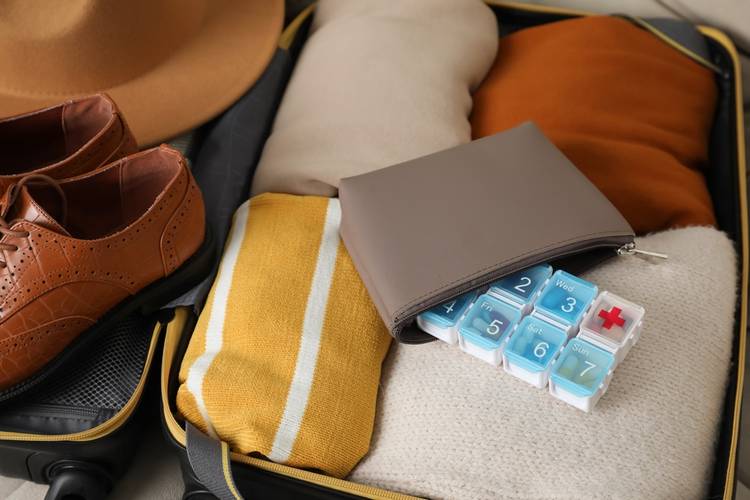
Packing for a trip is one of those tasks that sounds straightforward until you are standing at the airport realising you left your travel adapter on the kitchen counter. A well-organised packing list removes the guesswork, saves time, and means you arrive at your destination with everything you actually need. Whether you are heading to a tropical beach, a bustling city, or a mountain retreat, this guide covers every category your bag should have covered.
Planning your getaway starts well before you zip up your suitcase. Book your flights early to lock in the best fares, then use this list as your packing blueprint from the moment your itinerary is confirmed.
1. Clothing Essentials
Clothing is usually the heaviest part of any bag, so packing intentionally makes a significant difference. The goal is versatility — pieces that work across multiple outfits, dry quickly, and take up minimal space.
Everyday Tops and Bottoms
Breathable, moisture-wicking tops in neutral colours are the backbone of any travel wardrobe. They layer easily, work for both casual sightseeing and light outdoor activities, and dry quickly after a hand wash. Pack lightweight, quick-drying pants or shorts that transition from day to evening without looking out of place. Aim for a mix of short and long sleeves to adapt to varying indoor and outdoor temperatures.
Footwear
Comfortable walking shoes or sturdy sandals are non-negotiable for any trip involving more than a few hundred steps per day. Choose a pair that has already been broken in to avoid blisters on your first full day of exploring. If your itinerary includes hikes or uneven terrain, a pair of trail shoes or low-cut hiking boots provides better ankle support. A compact pair of slip-on sandals or flip-flops is also worth tucking in for hostel showers, beach days, or just relaxing at the hotel.
Weather-Appropriate Layers
Even warm-weather destinations can get cool — heavily air-conditioned malls, buses, and restaurants in Southeast Asia are a classic example. A lightweight fleece or cardigan folds down small and adds meaningful warmth when needed. For destinations with unpredictable rainfall, a compact waterproof jacket or a foldable rain poncho takes up almost no space in your bag but saves a full day of sightseeing from being ruined by a sudden downpour.
Ready to find hotels that suit your travel style and budget? Browse thousands of options across Malaysia and beyond before your departure date.
2. Travel Documents and Essentials
Documents are the one category where forgetting something is not just inconvenient — it can end your trip before it starts. Organise everything into a dedicated travel wallet or document pouch that stays in your carry-on at all times.
Passport and Visas
Check that your passport is valid for at least six months beyond your travel dates, as many countries enforce this requirement strictly at immigration. If your destination requires a visa, confirm whether it must be obtained in advance or is available on arrival. Print a copy of your visa approval letter, hotel bookings, and onward travel confirmation — digital copies are useful, but paper backups have saved many travellers when phones run out of battery or lose connectivity at customs.
Travel Insurance and Financial Documents
A comprehensive travel insurance policy is one of the most important documents in your bag, covering medical emergencies, trip cancellations, and lost luggage. Keep the policy number and emergency contact number accessible on your phone as well as on a printed sheet. Carry at least two payment methods — a credit or debit card accepted internationally, plus a small amount of local currency for taxis, street food stalls, and smaller vendors that do not accept cards.
Printed Itinerary and Maps
A printed itinerary with hotel addresses, confirmation numbers, and key contact details is invaluable in situations where mobile data is unavailable or unreliable. Offline maps downloaded to your phone before departure serve as a reliable navigation backup. If you are travelling to a destination where the local script differs significantly from the Latin alphabet, having key addresses printed in the local language helps when communicating with drivers or locals.
3. Health and Toiletries
Toiletries add weight quickly, so the travel-sized approach is always the right call. Most destinations have pharmacies and convenience stores that stock the basics, so you only need enough to get through the first day or two if your checked bag is delayed.
Personal Care Basics
Travel-sized shampoo, conditioner, body wash, and moisturiser cover the daily essentials without taking up significant bag space. A solid shampoo bar is an increasingly popular alternative — it is compact, lasts longer than a liquid bottle, and passes through airport security without any liquid restrictions. Pack a microfibre travel towel if your accommodation does not reliably provide them, as it dries in a fraction of the time of a standard cotton towel.
Health and First Aid
Prescription medications should always travel in their original packaging with a copy of the prescription — this avoids complications at customs and ensures you can get a refill abroad if needed. A small first aid kit with plasters, antiseptic cream, pain relief tablets, and any personal medical supplies covers minor incidents without needing to find a pharmacy immediately. Hand sanitiser and a small pack of disinfectant wipes are practical for public transport, shared accommodation, and street food situations.
4. Sun Protection and Skincare
Sun protection is particularly critical for travellers visiting Southeast Asia, where UV index levels regularly reach extreme ratings year-round. An SPF 50 sunscreen, a wide-brimmed hat, and a pair of UV-protective sunglasses form the core trio. Lip balm with SPF is easy to overlook but protects one of the most exposed and sensitive areas.
If skincare is part of your daily routine, a pared-back version for travel — cleanser, moisturiser, sunscreen — keeps things simple without sacrificing your skin. Sheet masks and any specialised serums or treatments can be decanted into small travel containers to stay within liquid limits while still maintaining your routine on longer trips.
5. Tech Gadgets and Accessories
Technology has become central to modern travel, from navigation and translation to capturing memories and staying in touch. The key is packing the tech that genuinely earns its weight in your bag.
Devices and Power
A smartphone handles navigation, translation, photography, boarding passes, and communication — it is the single most important piece of travel tech you carry. A compact portable charger or power bank with at least 10,000 mAh capacity keeps your phone and other devices topped up during long travel days away from power outlets. Pack a universal travel adapter if you are crossing regions, and a lightweight multi-port USB charger reduces the number of individual adapters you need to carry.
Camera and Audio
If photography is a priority, a mirrorless or compact camera offers significantly better image quality than a smartphone while remaining manageable in size and weight. A pair of noise-cancelling earbuds or headphones makes long-haul flights and overnight buses considerably more comfortable. A lightweight tripod or a flexible grip tripod allows hands-free shots and makes solo travel photography far more versatile.
Connectivity
Staying connected is seamless when you plan ahead. A travel eSIM loaded before departure lets you activate data in your destination without hunting for a local SIM card at the airport. For multi-country trips, eSIMs covering regional data plans are especially convenient — you switch regions without changing a physical card. Check Traveloka promotions for travel eSIM deals bundled with your bookings.
Kuala Lumpur offers some of the most exciting urban activities in Southeast Asia, from sky-high tower visits to immersive cultural experiences. Here are some top picks to add to your itinerary.
6. Bag Organisation Essentials
How you pack matters as much as what you pack. A well-organised bag means you can find what you need without unpacking everything at security or at check-in.
Packing Cubes and Compression Bags
Packing cubes are one of the most effective ways to organise a suitcase or backpack — they compartmentalise clothing by type, compress items slightly, and mean you can access specific items without disturbing the rest of your bag. Compression bags work particularly well for bulky items like jackets, jumpers, and towels, reducing their packed volume by up to 60 percent. Using a separate cube for dirty laundry keeps clean and worn clothes from mixing throughout your trip.
Travel Wallet and Security Accessories
A slim travel wallet with RFID-blocking technology protects contactless cards and passports from digital skimming in crowded destinations. A small, lockable bag or a hidden money belt adds a layer of security for your most important documents and larger amounts of cash. Ziplock bags are a simple but underrated organisational tool — they keep toiletries contained, protect electronics from unexpected rain, and help sort small items like cables and adapters.
7. Smart Packing Tips
Even the best packing list works better when combined with a few practical techniques that maximise space and minimise stress at the airport.
Roll, Do Not Fold
Rolling clothes instead of folding them is one of the most widely recommended packing techniques for a reason — it saves space, reduces creases in casual wear, and makes it easier to see everything in your bag at a glance. Start with heavier, bulkier items like jeans and place them at the bottom of the suitcase closest to the wheels, then layer lighter rolled items on top. Items that wrinkle easily, such as formal shirts or dresses, are better folded flat or hung in a garment bag for short trips.
Use Every Inch of Space
The interior of shoes is dead space that can be used to store socks, rolled belts, or small accessories without adding any bulk to your bag. Stuffing soft items like scarves or a lightweight jacket into gaps around your electronics also prevents movement and provides a small amount of cushioning. Wearing your heaviest items — boots, jeans, a thick jacket — on travel days rather than packing them makes a meaningful difference in your checked bag weight allowance.
Create a Checklist and Pack Early
Writing out a checklist two to three days before departure gives you time to gather items you realise you are missing without a last-minute rush to the shops. Packing the night before rather than the morning of your flight removes one major source of pre-travel stress. A standardised packing list saved on your phone — updated after each trip with anything you wished you had brought or anything you never used — becomes increasingly efficient over time.
8. Entertainment and Comfort Items
Long travel days and overnight journeys are considerably more comfortable with a few well-chosen comfort and entertainment items. The trick is keeping this category lean — one or two items that genuinely add to your experience rather than a collection of things you will never use.
An inflatable travel pillow and a light sleep mask make overnight flights and long bus rides far more restful. An e-reader loaded with several books is lighter than a single paperback and provides unlimited reading material for the whole trip. A small travel journal for recording experiences, restaurant names, and spontaneous observations creates a personal record of the trip that no photo can fully replace.
Getting to Kuala Lumpur
Kuala Lumpur is served by Kuala Lumpur International Airport (KUL), one of Southeast Asia's busiest and best-connected airports, with direct routes from cities across Asia, Australia, the Middle East, and Europe. From the airport, the city centre is accessible via the KLIA Ekspres train, which reaches KL Sentral in approximately 28 minutes, or via a pre-booked airport transfer for a seamless door-to-door journey with no navigation stress on arrival.
For travellers who prefer the flexibility of exploring Kuala Lumpur and its surroundings on their own schedule, a car rental gives you the freedom to reach day-trip destinations like Batu Caves, Genting Highlands, and Putrajaya at your own pace.
Discover Flights With Traveloka
Sat, 17 Oct 2026

AirAsia Berhad (Malaysia)
Bangkok (DMK) to Kuala Lumpur (KUL)
Start from THB 2,673.02
Thu, 15 Oct 2026

Thai VietJet Air
Bangkok (BKK) to Kuala Lumpur (KUL)
Start from THB 2,804.49
Wed, 7 Oct 2026
AirAsia Berhad (Malaysia)
Phuket (HKT) to Kuala Lumpur (KUL)
Start from THB 2,010.82
Book Your Trip with Traveloka
Traveloka is Southeast Asia's leading travel platform, trusted by over 100 million users to plan and book trips across the region and beyond. Whether you are searching for affordable flights into Kuala Lumpur, a hotel in the heart of the city, or activities to fill your itinerary, everything is available in a single app — from first search to confirmed booking.
For this trip, Traveloka covers every travel need in one place: flights, hotels, activities, car rental, travel eSIM to stay connected from the moment you land, and travel insurance to give you peace of mind throughout your journey. The app lets you compare hundreds of hotel options across different price points, filter by location and amenities, and pay using your preferred local payment method — making it the most practical tool in your travel packing list before your bag is even packed.
Download the Traveloka app on Google Play or the Apple App Store to start planning your next trip today.
Tags:
packing
travel
Recommended Articles
Travel in Comfort: Long-Haul Flight Attire Essentials
Is Flying Safe During Pregnancy? Essential Tips Every Mother Should Know
Missed Your Flight? Here's Exactly What to Do — and How to Recover Fast
Best Time to Visit Sapa, Vietnam: What to Expect Every Season of the Year
Items Not Allowed in Hand Luggage: What Every Traveller Must Know
Australian Customs Guide for Malaysian Travellers in 2026: Prohibited Items, Biosecurity Rules and Duty-Free Limits


