


Everything You Need to Know About Bali's Volcanoes in 2026


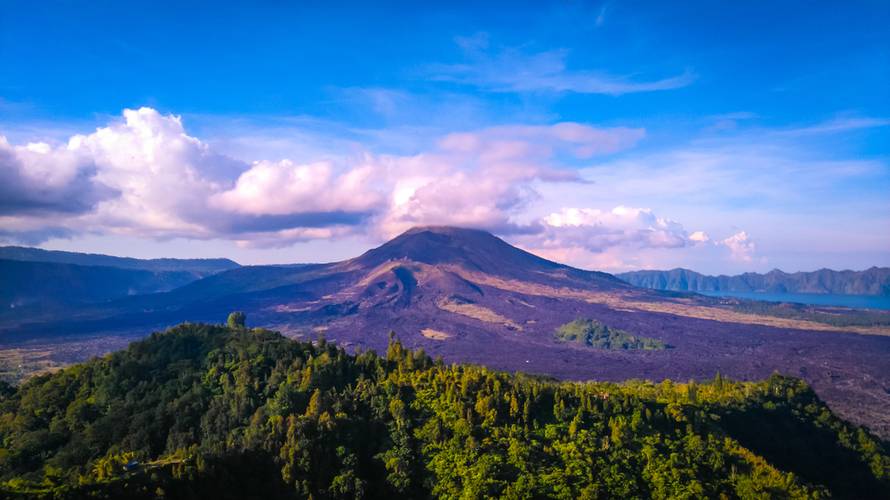
Bali sits on the Pacific Ring of Fire, and its volcanic landscape is one of the island's defining features, shaping it physically, culturally, and spiritually. The volcanoes here are not merely geological formations; they are sacred elements woven into Balinese Hindu ceremonies, temple locations, and the daily rhythms of island life. The iconic black-sand beaches of Bali's northern coast exist because of volcanic deposits. The fertile agricultural soil that makes the island's terraced rice fields so productive is volcanic in origin. For visitors, Bali's volcanoes offer everything from spectacular sunrise hikes and crater lake views to ancient temples and one of Indonesia's most dramatic landscapes.
Book your flights to Ngurah Rai International Airport in Denpasar as your base for exploring Bali's volcanic landscapes:
Discover Flights With Traveloka
Tue, 20 Oct 2026

Scoot
Ho Chi Minh City (SGN) to Bali / Denpasar (DPS)
Start from 2.386.605 VND
Wed, 21 Oct 2026

AirAsia Berhad (Malaysia)
Hanoi (HAN) to Bali / Denpasar (DPS)
Start from 3.086.567 VND
Sat, 24 Oct 2026
AirAsia Berhad (Malaysia)
Da Nang (DAD) to Bali / Denpasar (DPS)
Start from 2.783.240 VND
Active Volcanoes in Bali
Mount Agung: Bali's Highest and Most Sacred Volcano
Mount Agung, at 3,142 metres, is Bali's highest peak and its most spiritually significant mountain. Located in the Karangasem district of eastern Bali, it is home to Pura Besakih, the Mother Temple of Bali, which sits on its slopes at around 1,000 metres above sea level. The temple complex comprises 23 separate but related shrines and is the largest and most important Hindu temple in Bali. In Balinese cosmology, Mount Agung is believed to be a replica of Mount Meru, the sacred mountain at the centre of the universe and the dwelling place of the gods.
The mountain has a significant eruption history. Its most destructive eruption in modern times occurred in 1963, killing more than 1,000 people and displacing tens of thousands from villages on its flanks. Mount Agung erupted again between 2017 and 2019, raising alert levels to the highest tier and prompting large-scale evacuations. The volcano remains active and is monitored continuously by the Indonesian Centre for Volcanology. Trekking conditions depend on the current alert status, which should be checked through official Indonesian government channels before any planned ascent.
There are two main trekking routes. The summit route, starting from Pura Pasar Agung at around 1,600 metres, takes approximately 6 to 8 hours return and reaches the outer crater rim. A longer route from Pura Besakih adds considerable elevation gain. Both require a licensed local guide, are physically demanding, and are best attempted in the dry season from April to October. Hikers typically depart at midnight to catch the sunrise from the summit.
Mount Batur: Bali's Iconic Sunrise Hike Destination
Mount Batur stands at 1,717 metres in the Kintamani district of Bangli Regency and is Bali's most popular volcanic trekking destination. It sits within a vast caldera approximately 13 kilometres wide, formed by an ancient super-eruption, with Lake Batur occupying the caldera floor. Mount Batur has had multiple eruptions over the past century and continues to emit steam and gases from its summit fumaroles. In 2012, the Batur caldera was designated a UNESCO Global Geopark, recognised for its outstanding volcanic geology, cultural landscape, and biodiversity.
Pura Ulun Danu Batur, located on the caldera rim at Kintamani, is one of the six most important temples in Bali and an important pilgrimage site for Balinese Hindus. The sunrise trek to Mount Batur's summit is one of the most popular hikes in Southeast Asia. It takes around 2 to 2.5 hours to ascend, departing from the village of Toya Bungkah at around 3 AM to reach the summit before dawn. The hike is rated moderate, with steep sections but no technical climbing required. Licensed guides are mandatory and can arrange warm food cooked on the volcanic steam vents at the summit. On clear mornings, views extend across the caldera, Lake Batur, and all the way to Mount Agung and the eastern Bali coast.
Base your exploration of Bali's volcanic interior from a well-located hotel. Compare hundreds of options across the island, from Kintamani highland retreats to Ubud and south Bali resorts, with Best Price Guarantee on hotels:
Volcanic Crater Lakes in Bali
Lake Batur: Bali's Largest Lake
Lake Batur (Danau Batur) sits on the floor of the Batur caldera at an elevation of around 1,031 metres and is Bali's largest lake, stretching approximately 7.5 kilometres long and 2.5 kilometres wide. Fed by underground freshwater springs, the lake plays a critical role in Bali's traditional subak irrigation network, supplying water to the island's terraced rice fields. The water temple of Pura Ulun Danu Batur on the caldera rim governs this water distribution system, which forms part of the UNESCO World Heritage-listed Bali Cultural Landscape.
The village of Toya Bungkah on the lake's western shore is the main base for Mount Batur treks and is known for its natural hot springs, where volcanic heat warms lakeside pools year-round. The traditional village of Trunyan, accessible by boat across the lake, is home to one of Bali's indigenous Bali Aga communities. The Penelokan viewpoint on the caldera rim offers one of Bali's most photographed panoramas: a sweeping view of Lake Batur and the volcanic cone rising from the caldera floor.
Lake Beratan and the Bedugul Highlands
The Bedugul Highlands in Tabanan Regency occupy a volcanic area at 1,200 to 1,500 metres elevation and contain three interconnected crater lakes: Beratan, Buyan, and Tamblingan. Lake Beratan is the most visited, at 1,231 metres above sea level, and is best known for Pura Ulun Danu Beratan, the iconic water temple whose multi-tiered pagoda appears to float on the lake's surface in misty highland light. The temple is one of Bali's six directional temples and a key site in the island's water temple network, jointly recognised by UNESCO as part of the Bali Cultural Landscape.
Lake Buyan and Lake Tamblingan lie further northwest and see far fewer visitors, offering quiet walking trails through montane forest and views across both lakes from the ridge between them. The Bedugul area's cool climate, strawberry farms, and botanical gardens at Kebun Raya Eka Karya make it a rewarding day trip from south Bali or a scenic stop on the road north to Singaraja.
Book guided volcano hikes, Kintamani tours, and Bedugul lake excursions through Traveloka, with 90,000+ activities across Bali in one app:
Sacred Temples on Bali's Volcanic Mountains
In Balinese Hindu belief, mountains are the sacred axis of the cosmos, the dwelling place of the deities, and the source of life-giving water. Every significant volcanic peak in Bali has at least one major temple on its slopes or at its base, many of them classified as Sad Kahyangan, the six most important directional temples of the island.
Pura Besakih: The Mother Temple of Bali
Pura Besakih on the slopes of Mount Agung is the largest and most important temple complex in Bali, comprising 23 separate temples spread across a volcanic hillside. The oldest structures on the site are believed to date to the 8th century. The main temple, Pura Penataran Agung, sits at the heart of the complex and is the focal point for major island-wide ceremonies and pilgrimages. Visitors are welcome but must wear a sarong and sash, which can be rented at the entrance gate.
Pura Ulun Danu Batur: Temple of the Crater Lake
Pura Ulun Danu Batur sits on the outer rim of the Batur caldera at Kintamani, overlooking Lake Batur and Mount Batur below. One of Bali's six Sad Kahyangan directional temples, it is the most important agricultural temple on the island, governing the subak irrigation cooperatives that manage water distribution across Bali's rice-growing regions. The temple was rebuilt at its current caldera-rim location after the original lakeside structure was destroyed by a lava flow in 1926.
Pura Luhur Batukaru: Temple of the Western Mountain
Pura Luhur Batukaru sits on the southern slopes of Mount Batukaru, Bali's second highest volcanic peak at 2,276 metres in Tabanan Regency. It is the directional temple for western Bali, set in a clearing within dense, mist-covered old-growth rainforest at around 800 metres elevation, with a natural spring-fed pool within its grounds. Mount Batukaru can be trekked, though the route passes through protected forest, requires a full day, and must be arranged with a licensed guide in advance.
Getting to Bali's Volcanic Regions
Bali's main volcanic areas are spread across the island's interior and northern highlands, and are best reached by private vehicle. Kintamani and Mount Batur are approximately 1.5 to 2 hours from Kuta and Seminyak by road. The Karangasem district at the base of Mount Agung is around 1.5 hours from south Bali. The Bedugul highlands and Lake Beratan are about 1.5 hours to the northwest. Mountain roads throughout these areas are winding and often narrow, making a capable vehicle essential.
Booking a car rental gives you the flexibility to stop at viewpoints, reach trailheads at the early hours required for sunrise hikes, and move freely between volcanic sites on your own schedule. Arrange an airport transfer in advance from Ngurah Rai International Airport to your hotel for a smooth arrival. Check Traveloka promotions for flight and hotel bundle deals to lower the overall cost of your Bali trip.
Book Your Bali Volcano Adventure with Traveloka
Traveloka is Southeast Asia's #1 all-in-one travel app, #1 in cumulative downloads 2014 to 2025 among travel booking apps. Book flights, hotels, and activities for your Bali trip with Best Price Guarantee, 24/7 live agent support, and access to 2M+ hotels, 300+ airlines, and 90K+ activities in one app.
Available in Indonesia, Malaysia, Singapore, Thailand, Vietnam, the Philippines, and more. Download the Traveloka app on Google Play and the App Store.
Tags:
bali volcano
bali

Recommended Articles
Diamond Beach Bali: A Complete Guide to Nusa Penida's Most Spectacular Beach
Ubud Art Market 2026: Location, Opening Hours, What to Buy, and Shopping Tips
How to Get from Ubud to Canggu in 2026: Transport Options, Costs, and Tips
How to Get from Kuta to Ubud in 2026: Transport Options, Costs, and Tips

Anything You Need to Know about Bali Currency
How to Get from Canggu to Seminyak in 2026: Distance, Transport Options, and Tips


