


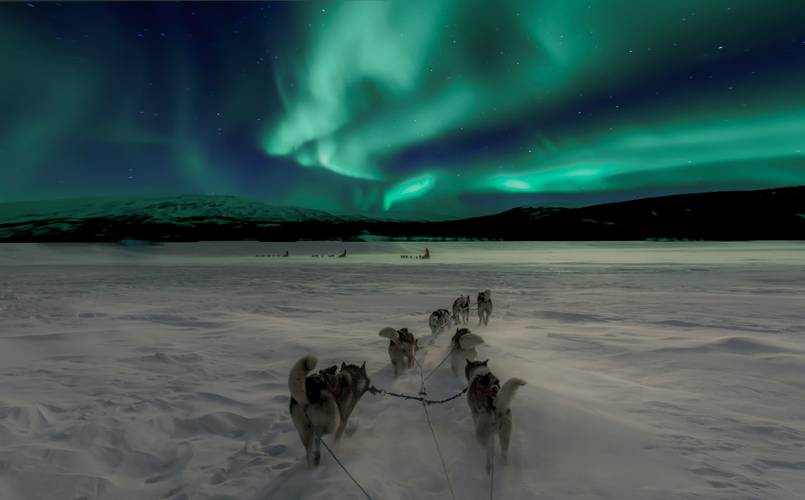
Ribbons of green, pink and violet light dancing silently across the Arctic sky. The Northern Lights, or Aurora Borealis, have long lured travellers north, from Iceland’s glaciers to Norway’s fjords and Finland’s snow-dusted forests. With the solar maximum set to peak in 2025–26, the next few years are tipped to bring some of the brightest and most frequent auroras in decades: a rare window for that once-in-a-lifetime Northern Lights adventure.
Visiting the Northern Lights in autumn
What’s the weather like?
Average temperatures range from 0°C to 8°C across northern Scandinavia and Iceland. Days grow shorter and cooler, with crisp, dry air and long nights returning after summer’s endless daylight. Autumn colours paint the forests and tundra, creating a spectacular backdrop for the first aurora displays of the season.
Notable events:
Recommended time to visit?
Yes. Autumn is one of the best times to see the Northern Lights, with clear skies, mild temperatures and fewer crowds than winter. The early-season darkness and golden landscapes make it ideal for photographers and travellers who want both comfort and colour with their aurora experience.
Visiting the Northern Lights in winter
What’s the weather like?
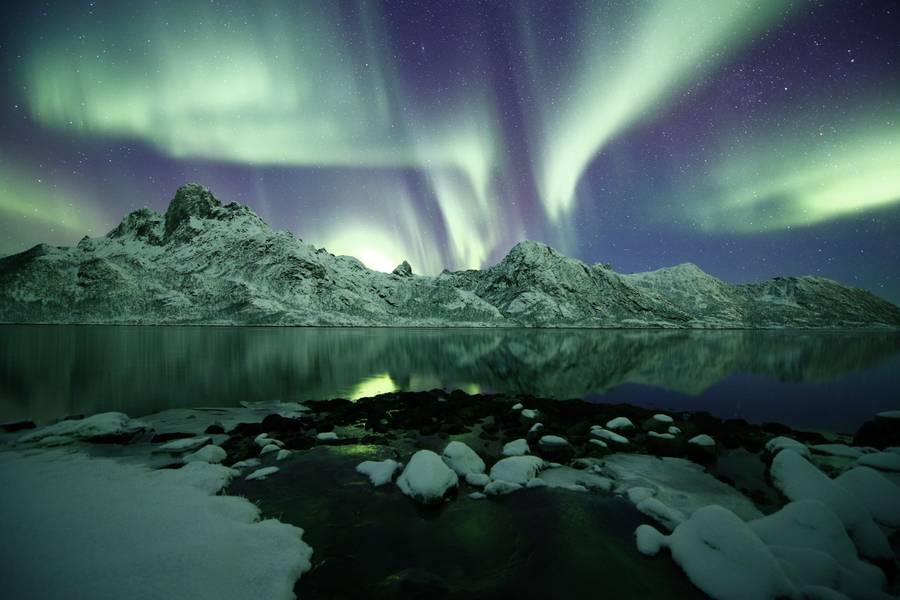
Average temperatures drop well below freezing across the Arctic – from around –5°C to –15°C in Iceland and coastal Norway, to –10°C or colder in Finnish Lapland and northern Canada. Snow blankets the landscape, and the long, dark nights provide the clearest, most consistent conditions for aurora viewing. Dry, crisp air and minimal daylight make this the most reliable time of year to spot the lights.
Notable events:
Recommended time to visit?
Yes – winter is the best time of year to see the Northern Lights. Long, dark nights from October to March give travellers the highest chance of spotting vivid auroras, especially around December and January. It’s also the most atmospheric season, when you can pair skywatching with snowmobiling, dog sledding or warming up in a glass igloo beneath dancing lights.
Visiting the Northern Lights in spring
What’s the weather like?
Average temperatures range from –5°C to 5°C across northern Scandinavia and Iceland, gradually warming through March and April. Days grow longer, but nights remain dark enough for aurora viewing until mid-April. Clear skies and melting snow reveal glassy lakes, open roads and softer conditions for travel after the deep freeze of winter.
Notable events:
Recommended time to visit?
Yes – spring is ideal for late-season auroras. March and early April offer long, clear nights and warmer weather, perfect for travellers who prefer milder conditions. As daylight returns, it’s also a great time to combine aurora hunting with skiing, glacier hikes or sightseeing on newly opened roads before the summer crowds arrive.
Visiting the Northern Lights in summer
What’s the weather like?
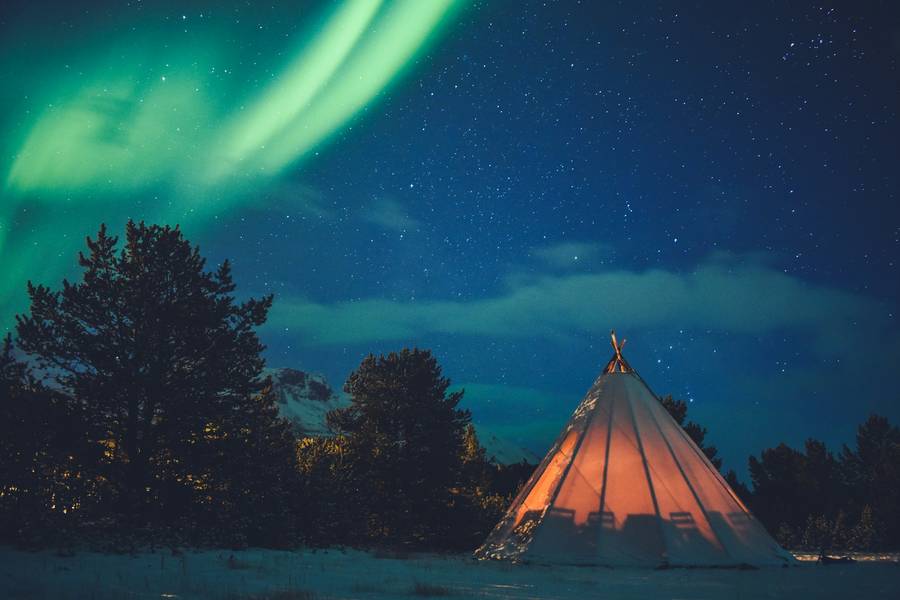
Average temperatures range from 8°C to 15°C across Iceland, Norway, Sweden and Finland. Days are mild and mostly dry, with lush green landscapes replacing the winter snow. However, the midnight sun brings 24 hours of daylight in places north of the Arctic Circle, leaving little to no darkness for aurora viewing.
Notable events:
Recommended time to visit?
No. While summer in the Arctic is a beautiful time to visit – ideal for hiking, kayaking and wildlife watching – it’s not the right season for the Northern Lights. With near-constant daylight, the aurora can’t be seen until the skies begin to darken again in autumn.


Recommended Articles
8 Most Famous UK Landmarks Every Australian Traveller Should See
10 Best Cities Near London for an Unforgettable Day Trip in 2026
10 Best Places to See the Northern Lights in 2026
How to Join Touristanbul: Turkish Airlines' Free Istanbul City Tour for Transit Passengers

Which countries use the Euro? How to visit them on a budget

Christmas in Siem Reap: Temples, Tinsel, and the World's Most Magical Backdrop


