


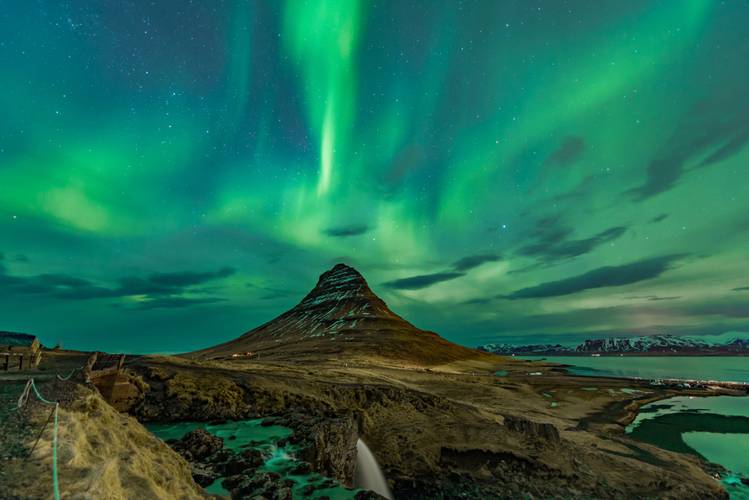
Few natural spectacles on Earth match the northern lights — a curtain of luminous colour sweeping across a pitch-black sky in shades of green, pink, purple, and deep red. Officially known as the aurora borealis, this phenomenon occurs when electrically charged solar particles collide with oxygen and nitrogen in Earth's upper atmosphere, typically between 80 and 800 kilometres above the surface. The result is one of the most breathtaking shows in nature.
For Australian travellers, chasing the northern lights is a bucket-list adventure that requires some planning — the right destination, the right season, and clear skies all matter. The good news is that the aurora belt spans several accessible countries across the Northern Hemisphere, each offering its own unique viewing experience. This guide covers the 10 best places to see the northern lights, so you can plan the trip of a lifetime.
Before you start dreaming of green skies and snow-covered landscapes, you'll want to sort your flights early — aurora destinations fill up fast during peak season, and availability across Scandinavia and Canada drops significantly from late September onwards.
How the Northern Lights Form
The aurora borealis is born from the sun's solar wind — a stream of charged particles that travels millions of kilometres through space before reaching Earth. When these particles interact with gases in our atmosphere near the magnetic poles, they excite the atoms and cause them to release energy as light. Oxygen atoms produce the most commonly seen green hue, while nitrogen emits purples and blues, and oxygen at very high altitudes glows a dramatic dark red.
The best viewing times are typically between 18:00 and midnight, or again between 04:00 and 08:00 local time. Clear skies, minimal light pollution, and positioning within or near the auroral oval — a ring-shaped zone surrounding the magnetic poles — dramatically improve your chances of a sighting.
1. Tromsø, Norway
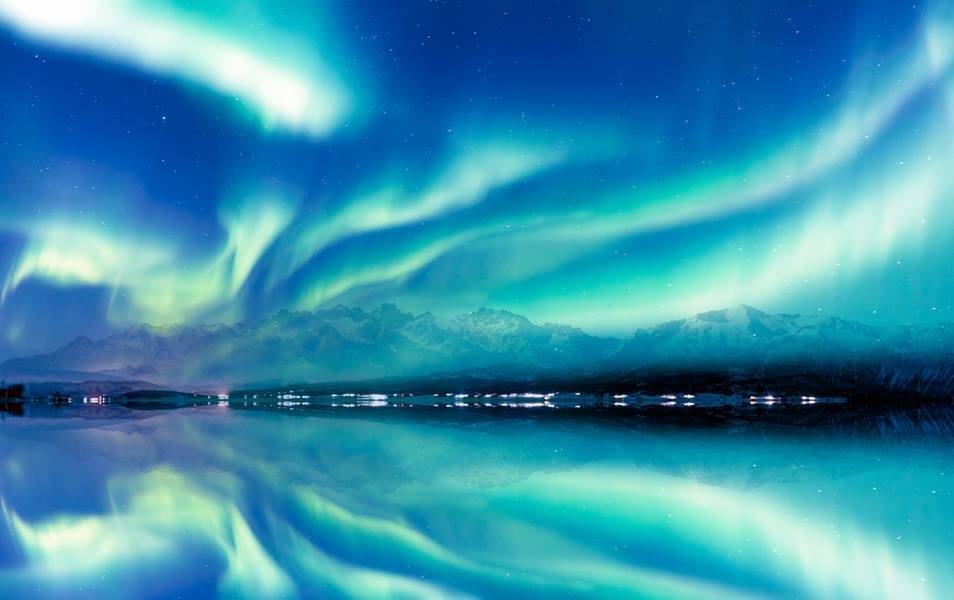
Tromsø is the northern lights capital of Norway and one of the world's most celebrated aurora destinations. Situated 350 kilometres north of the Arctic Circle on a small island in Northern Norway, the city benefits from consistently clear skies, minimal light pollution, and a well-developed tourism infrastructure that makes aurora chasing accessible even for first-time visitors.
The peak season for aurora viewing in Tromsø runs from late September through to March, when the long polar nights create ideal darkness. From the city, visitors can join guided tours by snowmobile, dog sled, or heated bus that venture into the wilderness for undisturbed sky views. Tromsø also offers cultural experiences between aurora hunts — the Polar Museum chronicles Arctic expedition history, while Polaria is home to the world's northernmost aquarium. Accommodation books out well in advance during peak season, so planning ahead is essential.
Ready to secure your Tromsø stay? Browse a wide range of hotels across different budgets and book with confidence through hotels on Traveloka.
2. Lofoten Islands, Norway
The Lofoten Islands offer one of the most dramatically scenic aurora backdrops on the planet. Jagged mountain peaks rise directly from the sea, and traditional red fishermen's cabins — known as rorbuer — dot the shoreline, creating a foreground that makes northern lights photography here unlike anywhere else.
The best aurora activity in Lofoten occurs between 23:00 and 02:00, with March, April, September, and October being the most productive months. Beyond the lights, the islands offer a rich programme of activities including hiking, skiing, dog sledding, and whale watching. The relatively low latitude of Lofoten compared to other aurora destinations means it sits just within the auroral oval, rewarding patient visitors with spectacular overhead displays.
3. Abisko National Park, Swedish Lapland
Abisko National Park in Swedish Lapland is widely considered one of the best aurora viewing sites in all of Scandinavia. It sits directly beneath the auroral oval, and its unique microclimate results in lower rainfall and clearer skies than the surrounding region — a significant advantage when cloud cover can make or break a viewing trip.
The viewing season in Abisko runs from September through to early April. The Aurora Sky Station, perched above the treeline at altitude, offers an elevated vantage point away from any ground-level light interference and combines aurora watching with regional Swedish dining experiences. Guided aurora expeditions using 4WD vehicles are available, with professional photography tours catering to those wanting to capture the lights on camera. Budget-friendly group tours start from around SEK 995, with private experiences available at higher price points.
4. South Greenland
Greenland offers an aurora experience of remarkable solitude. The vast Northeast Greenland National Park — the largest national park in the world — provides an almost entirely uninhabited landscape under some of the darkest skies on Earth. The best viewing season runs from late September through to March.
Ella Island is among the most remote aurora viewing points in Greenland, offering a raw wilderness experience that contrasts sharply with the more tourist-ready infrastructure of Norway. For travellers seeking an aurora adventure well off the beaten track, South Greenland delivers an experience defined by silence, ice, and sky. It pairs well with a broader Arctic itinerary that includes dogsledding, iceberg kayaking, and hiking on glacial terrain.
5. Iceland
Iceland's position directly beneath the auroral oval, combined with its dramatic volcanic landscapes, makes it one of the most popular northern lights destinations in the world. The best months for aurora viewing are September and April, when long dark nights coincide with clear skies, and departures for aurora tours from Reykjavík typically begin around 20:30 in the evening.
The Westfjords and North Iceland are the standout regions for aurora hunters, offering wide-open skies away from the capital's light pollution. Iceland's appeal extends well beyond the aurora — the same trip can include geothermal hot springs, glacier hikes, waterfall walks, and black sand beaches, making it one of the most activity-rich aurora destinations on this list.
Traveloka's activities listings cover guided aurora tours and other experiences across Northern Europe, so you can build your full itinerary in one place.
6. Narvik, Norway
Narvik sits in the Nordland region of Norway, at the southern end of Ofotfjorden, and offers a northern lights experience with a particularly striking natural feature: Rombaksfjorden. The fjord's calm, reflective surface mirrors the aurora overhead, doubling the spectacle and creating conditions that aurora photographers travel specifically to capture.
The town is smaller and less commercially oriented than Tromsø, which appeals to travellers looking for a more intimate experience. Narvik is also a gateway to some of Northern Norway's finest ski terrain, making it an excellent choice for a winter trip that combines aurora watching with alpine adventure. Access is straightforward, with regular rail and road connections from Sweden.
7. Yellowknife, Canada
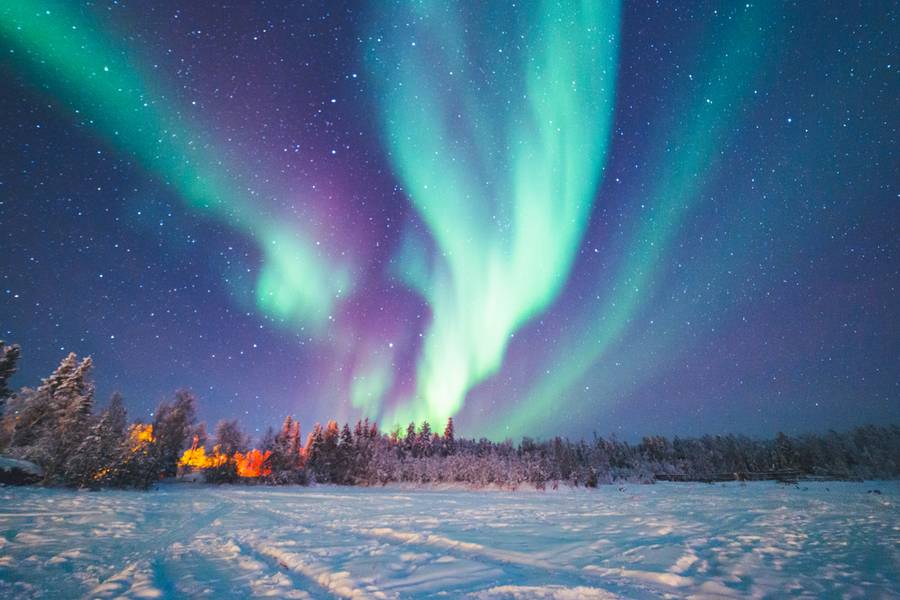
Yellowknife in the Northwest Territories of Canada has earned the title of Aurora Capital of the World. The city sits at the centre of the auroral oval, which means it sees the aurora borealis more consistently and more vividly than almost any other location. The prime season runs from November through to April, giving visitors a generous six-month window.
What sets Yellowknife apart is the combination of geographic positioning and a well-established tourism industry built entirely around aurora viewing. Heated aurora viewing cabins, snowshoeing excursions, and ice fishing on frozen lakes are all part of the experience. The Northwest Territories' vast, flat boreal landscape also creates unobstructed 360-degree sky views that maximise your chances of catching the lights overhead.
8. Northwest Territories, Canada
Beyond Yellowknife, the broader Northwest Territories offer wilderness aurora experiences for those who want to venture further into the Canadian Arctic. Early winter is the prime season, and travellers can choose between midnight viewing sessions from open terrain or multi-night camping under the stars in some of the most remote wilderness on the continent.
The combination of pristine dark skies, sub-zero temperatures, and near-zero light pollution creates exceptional aurora conditions across the region. Many visitors pair their Northwest Territories aurora trip with wildlife-watching excursions, as the area is home to vast caribou herds and other Arctic species. For Australian travellers, this is one of the more logistically involved northern lights destinations, but the payoff in terms of sky quality and wilderness solitude is considerable.
9. Fairbanks, Alaska
Fairbanks is the premier aurora destination in the United States. Located in interior Alaska, it sits directly beneath the auroral oval and enjoys long, dark winters with relatively low cloud cover compared to coastal Alaskan cities. Professional aurora tour operators based in Fairbanks offer guided experiences that include transport to dark-sky sites outside the city.
Beyond the lights, Fairbanks hosts a series of winter festivals that make a visit here feel like a full cultural experience. Dog sled racing, ice sculpture competitions, and skiing round out the itinerary during the aurora season. For Australian travellers, Fairbanks pairs naturally with a wider Alaska itinerary, and combining it with a northern lights viewing trip makes for an exceptional winter journey.
10. Northern Minnesota, USA
Northern Minnesota sits within the continental United States' best aurora viewing zone, stretching from the upper Midwest to the upper Michigan peninsula. Near Rainy Lake and Voyageurs National Park, more than 200 northern lights events are visible each year — a figure that puts it ahead of many more famous aurora destinations in terms of annual frequency.
The accessibility of Northern Minnesota makes it a practical choice for travellers who want an aurora experience without the expense and logistics of a Scandinavian or Canadian trip. Voyageurs National Park's extensive lake system creates natural dark-sky corridors, and houseboating on the lakes during the aurora season is a uniquely American way to experience the phenomenon. The best viewing months align with late autumn and winter, when temperatures drop and skies clear.
Tips for Planning Your Northern Lights Trip
Choose the Right Season
The aurora borealis is only visible during periods of darkness, which means you need to visit during the autumn or winter months. Across most destinations, September through March offers the best combination of dark nights and active aurora conditions. The equinox periods in September and March are particularly productive due to increased geomagnetic activity.
Get Away from City Lights
Light pollution is the enemy of aurora viewing. Even in dedicated aurora destinations like Tromsø or Yellowknife, the best displays are seen from outside the city centre. Most tour operators will transport you to dark-sky sites as part of the experience, but if you are self-driving, head at least 20 kilometres from any major urban area.
Stay Flexible with Your Schedule
The aurora is a natural phenomenon and cannot be predicted with certainty more than a day or two in advance. Booking a stay of at least five nights at your chosen destination significantly improves your statistical chances of a sighting. Cloud cover is the main variable — destinations with naturally drier microclimates, like Abisko and Yellowknife, offer a statistical advantage over wetter coastal locations.
Book Flights and Accommodation Early
Aurora season coincides with peak demand across every destination on this list. Accommodation in smaller towns like Abisko and Narvik sells out months in advance. Locking in your airport transfer ahead of time is equally important — arrivals into northern airports during winter can be complicated, and pre-booked transfers remove one layer of uncertainty from your trip. Don't forget to check Traveloka promotions for deals on flights and hotels to your chosen aurora destination.
Book Your Trip with Traveloka
Traveloka is Southeast Asia's leading travel platform, trusted by over 100 million users to plan and book travel across Asia and beyond. Whether you are flying to Tromsø for your first aurora experience or returning to Yellowknife for the fifth time, the app brings together flights, hotels, activities, and car rental in one seamless booking experience.
For northern lights trips, Traveloka's price comparison tools help you find the best available fares to Scandinavian and North American gateways, while the hotels search covers everything from budget guesthouses to luxury Arctic lodges. You can also browse guided aurora tours and winter activities through the app's activities section, making it easy to build a complete itinerary without switching between multiple booking sites. Secure your car rental through the app too — particularly useful for self-drive aurora hunters in Iceland and Northern Norway, where a vehicle gives you the freedom to chase clear skies wherever they appear.
Download the Traveloka app to start planning your northern lights adventure. With real-time availability, transparent pricing, and all your bookings stored in one place, it is the most convenient way for Australian travellers to organise a trip to the top of the world.
Discover Flights With Traveloka
Wed, 14 Oct 2026

Norwegian Air Shuttle ASA
Oslo (OSL) to Tromso (TOS)
Start from AU$160.07
Wed, 14 Oct 2026

Scandinavian Airlines
Oslo (OSL) to Tromso (TOS)
Start from AU$179.94
Thu, 15 Oct 2026
Norwegian Air Shuttle ASA
London (LGW) to Tromso (TOS)
Start from AU$262.49

Explore the Best of World
World
Recommended Articles
10 Best Cities Near London for an Unforgettable Day Trip in 2026
How to Join Touristanbul: Turkish Airlines' Free Istanbul City Tour for Transit Passengers
Best time to see Northern Lights in 2026
Which countries use the Euro? How to visit them on a budget

20 Best Christmas Markets in Europe 2025 for Your Festive Holidays
Christmas in Siem Reap: Temples, Tinsel, and the World's Most Magical Backdrop


