


Adventure in the Philippines: Hiking, Diving, and Water Sports


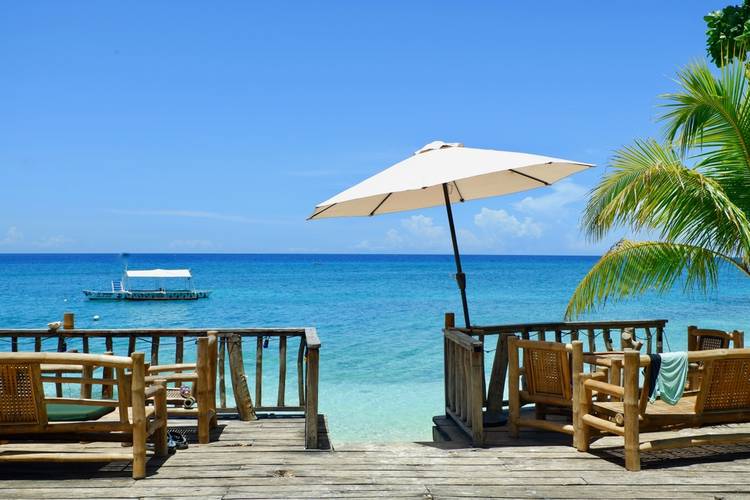
The Philippines packs an outdoor playground's worth of forests, coral reefs, and surf breaks into one archipelago, suiting everyone from a first-time hiker to a seasoned diver chasing thresher sharks. This guide covers the range, region by region, so you can build a trip around whichever activity draws you in most.
Manila serves as the natural gateway into most of this itinerary, so book flights in to start planning.
Discover Flights With Traveloka
Sun, 18 Oct 2026

Cebu Pacific
Cebu (CEB) to Manila (MNL)
Start from USD 32.34
Tue, 27 Oct 2026

AirAsia Berhad (Malaysia)
Bali / Denpasar (DPS) to Manila (MNL)
Start from USD 121.32
Thu, 1 Oct 2026

Scoot
Jakarta (CGK) to Manila (MNL)
Start from USD 103.16
Hiking High: Mountains, Trails, and Rice Terraces
Mount Pulag rewards an early climb with a genuine sea of clouds rolling beneath its grassy summit at sunrise, a sight that draws hikers back year after year. The Banaue and Batad rice terraces, hand-carved over centuries, add a cultural dimension few mountain destinations elsewhere in Asia can match. These trails suit both beginners and seasoned hikers, with dramatic climbs alongside gentler ridge walks depending on how much of a challenge you're after.
Volcano Treks and Summit Rewards
Mount Apo and Mount Mayon both draw climbers chasing a genuine summit reward, though dry-season timing matters considerably more here than on Luzon's gentler trails. Early starts help avoid both afternoon heat and the showers that build later in the day, and confirming permit and guide requirements beforehand is non-negotiable on both peaks.
Scuba Diving: World-Class Coral and Cavern Dives
Tubbataha Reefs and Apo Reef both rank among the country's most extensive coral systems, drawing divers specifically for the biodiversity on display beneath the surface. Anilao offers a different draw entirely, shore dives with genuine thresher shark sightings that few other accessible dive sites worldwide can match. The Philippines consistently ranks among the world's top diving destinations, and turtles and whale sharks both turn up regularly across these sites.
Snorkelling Spots for Every Skill Level
Palawan, Coron, and Bohol all offer shallow coral gardens suited to families and first-timers, with island-hopping tours typically bundling gear and basic instruction into the price. It's a genuinely accessible entry point into the Philippines' marine life for travellers not ready to commit to a full dive certification.
A hotel in central Manila puts you within reach of domestic flights heading out to any of these adventure regions.
Surfing and Beach Breaks: From La Union to Siargao
Siargao's Cloud 9 has earned legendary status among advanced surfers worldwide, while La Union offers a considerably gentler entry point for beginners and longboarders. Baler's surf schools cater specifically to newcomers, and San Juan rounds out the list with a more casual, low-key beach atmosphere. Conditions vary meaningfully by region and season, so checking a specific break's swell calendar before booking matters more than assuming any time of year works equally well.
Water Sports Beyond Surfing and Diving
Boracay's calm bays suit kayaking and stand-up paddleboarding well, while El Nido's hidden coves reward a slower, more exploratory paddle. Bulabog Beach draws kiteboarders specifically for its reliable wind, rounding out a genuinely broad spread of water sports options across just a few islands.
Island Hopping and Boat Adventures
Coron's dramatic limestone karsts and the Bacuit Archipelago's secret lagoons both turn a day on the water into one of the Philippines' signature experiences. Island hopping combines snorkelling, beach time, and a genuine taste of local culture into a single day, making it one of the most efficient ways to sample several destinations without committing to a longer stay at each.
A 3-in-1 Sabang adventure combining the Underground River, a zipline, and mangrove paddling, bookable through Traveloka's activities listings, packs several of the Philippines' signature experiences into one day.
Choosing Between Luzon, Visayas, and Mindanao
Luzon for Hiking and Rice Terraces
Mount Pulag and the Banaue-Batad terraces both sit within a manageable domestic flight or bus ride of Manila, making Luzon the most accessible region for hikers short on time.
Visayas and Palawan for Diving and Islands
Coron, El Nido, and Bohol together form the strongest concentration of world-class diving and island hopping anywhere in the country, worth a dedicated week if water activities are the priority.
Mindanao for Volcano Treks
Mount Apo's summit trek draws serious hikers specifically, though its more remote location means building in extra travel days compared to Luzon's closer peaks.
Safety, Seasons, and Practical Tips
Timing Around the Weather
Dry months deliver the clearest diving and hiking conditions across most of the country, while shoulder seasons offer fewer crowds and noticeably more competitive rates.
Protecting the Reefs
Reef-safe sunscreen matters here more than in most destinations, given how much of this itinerary revolves around coral ecosystems.
Hiring Local Guides and Gear
When a Guide Is Essential
Volcano treks and remote dive sites both genuinely require a local guide, both for safety and because several permits are only issued through registered operators.
Renting Versus Bringing Your Own Gear
Snorkelling and basic diving gear rents easily at most island destinations, while serious divers and surfers often prefer bringing their own equipment for fit and familiarity.
Packing for an Adventure-Focused Trip
Lightweight layers work best for hiking, while quick-drying gear covers everything water-related across this list. A dive camera or waterproof housing earns its keep given how much marine life you're likely to encounter, and a basic personal medical kit rounds out a sensible packing list for remote island stops.
A car rental suits exploring Luzon's mountain routes independently, and an airport transfer gets you from Manila's airport to your hotel smoothly before the adventure begins.
Plan Your Philippines Adventure with Traveloka
Hiking, diving, and surfing spread across dozens of islands takes real planning to fit into one trip. Traveloka is Southeast Asia's leading travel platform, trusted by over 100 million users, bringing flights, hotels, activities, car rental, eSIM, and travel insurance together in one app. Check Traveloka promotions before booking, and download the app before your Philippines adventure.
In This Article

Recommended Articles
Mapanuepe Lake, Zambales: Things to Do at This Volcanic Wonder
What to Do in Iloilo, Philippines: A Local's Guide
Complete Travel Guide for 4-Day Davao Itinerary
Festivals and Events in the Philippines: A Year-Round Guide
10 Breathtaking Beaches in the Philippines Worth the Trip

5 Best Budget Hotels Near NAIA Terminal 1, Manila


