


Filipino Culture & Traditions: A Guide for US Travelers


Heading to the Philippines? You are in for warm welcomes, colorful festivals, and an easygoing vibe that makes travelers feel at home fast. Understanding Filipino culture and local customs will help you connect with people, avoid awkward moments, and enjoy deeper experiences whether you are solo, traveling with family, or exploring with friends.
This guide breaks down practical tips about Philippines traditions and Philippines etiquette so you can move through cities, beaches, and small towns with confidence. If you are still planning the trip, consider checking for Cheap flights to get started.
Greetings and first impressions

Filipinos value warmth and friendliness. A simple hello or a smile goes a long way. In more formal settings or when meeting elders, a slight nod or handshake is common. Many families still practice the mano po gesture where younger people take an elder's hand and gently press it to their forehead as a sign of respect. You will find people appreciate the effort to be polite and sincere rather than a scripted performance.
Family comes first
Family ties are central to Filipino culture. Extended families often live close together or gather frequently for meals and celebrations. As a traveler, expect to meet family-oriented people who may refer to close friends as "kuya" or "ate" for older brother and sister respectively. Understanding this family focus helps explain how social plans work and why inviting strangers into a household or small event is not uncommon.
Hospitality that feels like home
Hospitality is a standout trait. If invited to a local's home, it is polite to bring a small gift like sweets or fruit. Refusing food more than once is often met with gentle insistence, so a polite taste of what is offered shows appreciation. Many hosts will go out of their way to make guests comfortable, which is one reason travelers often leave with a few new friends.
Food culture and dining etiquette
Food is central to social life. From street barbecue to hearty family feasts called boodle fights, meals are shared and often loud in the best possible way. Try local specialties and be open to communal dishes. When dining in a Filipino home, wait for the host to start or tell you to begin. It's fine to use utensils, but don't be surprised if you see people eating with their hands in some settings. Saying "salamat" for thank you will earn a smile.
Festivals and celebrations
The Philippines is famous for fiestas, which vary from small town events to massive parades with costumes and music. Participating in a festival is one of the best ways to experience Philippine culture up close. If your trip includes sightseeing or special events, remember to check for local schedules and consider booking local experiences and attraction tickets ahead of time to save time and secure a spot.
Religion and public life
Religion, especially Catholicism, plays a large role in public and private life for many Filipinos. Churches often serve as community centers, and religious holidays are widely observed. Respectful dress and behavior in religious sites are expected. Simple gestures, such as keeping voices low and refraining from flash photography, will be appreciated.
Politeness and respectful gestures
Respect for elders and polite speech are key components of Philippines etiquette. Using honorifics like "po" and "opo" when speaking to older people signals respect. Avoid aggressive behavior or loud arguments in public, as Filipinos tend to prefer harmony. If you need to express disagreement, doing so calmly is the better approach.
Time, schedules, and flexibility
Filipino time can feel more relaxed than strict schedules you might be used to in the US. Events and gatherings may start later than the stated time, and plans can change quickly. This is not necessarily bad; it is part of a culture that values relationships and adaptability. Build buffer time into your itinerary and enjoy the slower moments.
Money matters and bargaining
In markets and small shops, light bargaining is often acceptable and expected. Start with a polite counteroffer and keep the exchange friendly. In malls, restaurants, and hotels, prices are fixed. Tipping is appreciated in restaurants and for services, but not always obligatory. Carrying small bills and coins helps with transport and market purchases.
Personal space and body language

Filipinos can be tactile and close in social settings, especially among friends and family. Handshakes, hugs, and quick cheek kisses may be common depending on familiarity. Public displays of affection vary by region and community, so observe the local vibe. Eye contact is valued, but staring is not. Smiling often helps you come across as approachable and respectful.
Safety, health, and practical travel tips
As with any destination, stay aware of your surroundings and follow local advice for safe areas and transport. Use reputable taxi services or ride-hailing where available, and keep valuables secure. Staying hydrated, using sunscreen, and having basic medication on hand will make beach days and hikes more enjoyable. For accommodation needs, you can easily book hotels that suit families, solo travelers, or groups across the country.
Language and connecting with locals
English is widely spoken in the Philippines, so communication is usually easy for US travelers. Learning a few Tagalog phrases like "salamat" for thank you and "magandang araw" for good day goes a long way. Locals appreciate the attempt and often respond with friendliness and helpful tips about their neighborhood.
Traveling with respect for Filipino culture and awareness of local customs will open doors to richer experiences and meaningful connections. Whether you are exploring urban islands, joining a festival, or enjoying a family-style meal, a little cultural knowledge helps you enjoy the best parts of the Philippines.
Traveloka can help you plan and book the parts of your trip that matter most. From finding cheap flights to discovering the right place to stay and arranging activities, the platform brings flights, hotels, and local experiences together so you can focus on the fun. With a large network of airline partners, millions of accommodations, and thousands of local activities, Traveloka is a handy travel companion for first-time visitors and repeat travelers alike. Pack your curiosity, respect the customs, and let Traveloka help you turn plans into memories.
In This Article
Must-Try Activities in Philippines

Boracay We Sportz Hydrofoil Experience | Philippines

Coron Town Half-Day Tour | Philippines
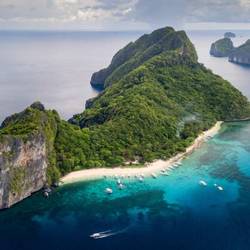
4 days and 3 Nights in El Nido with Hotel Accommodation, Transfers and Island Hopping Tours | Philippines

Aqua Dining at Cebu Ocean Park Tickets


Recommended Articles

Philippines Festivals Calendar: Major Events & Cultural Highlights

Filipino Cuisine Guide: Must-Try Dishes & Street Food

Adventure in the Philippines: Hiking, Diving & Water Sports

Filipino Culture & Traditions: A Guide for US Travelers

Philippines on a Budget: Affordable Travel Tips for Tourists

Visa Applications Made Simple with Traveloka & SPUN Service
Explore the Best of Philippines

Manila

Cebu

Boracay

Cebu City



 Instagram
 Youtube
