


Lombok packs volcano treks, waterfall hikes, and a cluster of car-free islands into an area small enough to cover most of it in under two weeks. Ten highlights below cover the natural landmarks, beaches, and cultural sites that define a Lombok trip.
Book flights into Lombok International Airport to begin.
Discover Flights With Traveloka
Fri, 23 Oct 2026

AirAsia Berhad (Malaysia)
Kuala Lumpur (KUL) to Lombok (LOP)
Start from RM 431.42
Mon, 28 Sep 2026

Lion Air
Batam (BTH) to Lombok (LOP)
Start from RM 530.10
Tue, 29 Sep 2026

TransNusa
Jakarta (CGK) to Lombok (LOP)
Start from RM 292.81
1. Mount Rinjani
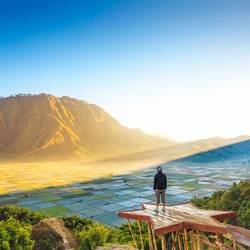
Indonesia's second-highest volcano dominates Lombok's skyline and draws serious trekkers for a multi-day climb to its crater rim and summit. The trek demands real fitness and, for most routes, an overnight camp, but rewards climbers with crater lake views few other Indonesian volcanoes can match. Guided treks are effectively mandatory given the terrain and altitude involved, and most itineraries run two to three days round trip depending on the specific route chosen.
2. Gili Islands
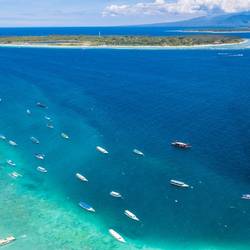
Gili Trawangan, Gili Meno, and Gili Air sit just off Lombok's northwest coast, each with its own distinct character: Trawangan for nightlife, Meno for quiet seclusion, and Air for a middle ground between the two. All three ban motorised vehicles, so getting around means walking, cycling, or a horse-drawn cidomo. Snorkelling and diving both rank among the region's best, with visible coral and a reasonable chance of spotting sea turtles close to shore.
3. Tiu Kelep Waterfall
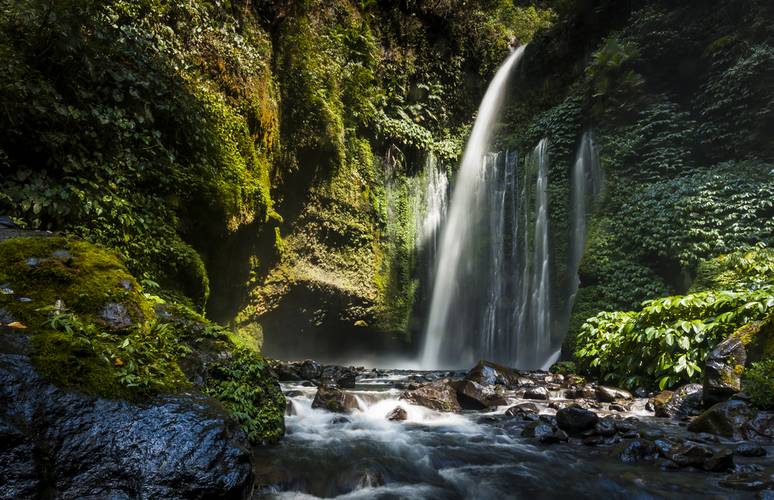
A 45-metre cascade set inside northern Lombok's rainforest, Tiu Kelep requires a river-crossing hike to reach, adding a genuine sense of adventure to the payoff at the end. The pool beneath the falls is swimmable, and the surrounding jungle keeps the whole area noticeably cooler than the coast. Combining it with the nearby Benang Stokel and Benang Kelambu waterfalls makes for a full day of jungle trekking.
A hotel in Kuta puts most of Lombok's southern beaches and surf spots within a short drive.
4. Pink Beach
Also known as Tangsi Beach, this stretch of sand gets its distinctive coral-pink hue from crushed red coral mixed into the white sand, a genuinely rare feature among Indonesia's beaches. The water here stays calm enough for easy swimming and snorkelling straight off the shore. Its position on Lombok's southeastern coast keeps it less crowded than the beaches closer to Kuta.
5. Sade Village
This traditional Sasak village gives a direct look at Lombok's indigenous culture, with thatched-roof houses and rice barns built using construction methods passed down through generations. Local guides, often residents themselves, walk visitors through daily life and traditional weaving techniques practised on-site. It's one of the more accessible cultural stops on this list, reachable without a long detour from the main southern beach routes.
6. Kuta Beach
Lombok's own Kuta trades the crowds of its Bali namesake for a genuinely quieter stretch of sand, with strong surf breaks nearby drawing a smaller, more dedicated crowd of surfers. Cafes and warungs along the beach road give a low-key evening option after a day in the water. It works well as a base for reaching several other entries on this list, including Tanjung Aan and Merese Hill.
7. Tanjung Aan and Merese Hill
Tanjung Aan's two coves, separated by a small headland, give a mix of calm swimming water and a genuine viewpoint from the hill above. Merese Hill itself has become one of Lombok's most photographed spots, with panoramic views stretching across the bay below. Both sit close enough to Kuta to combine into a single half-day outing.
8. Mayura Water Palace
Located in Mataram, this former royal palace complex centres on a large artificial lake with a pavilion at its centre, a striking piece of colonial-era Balinese-Hindu architecture. It offers a compact, historically rich stop for travellers based in or passing through Lombok's main city. The site's calm, formal gardens make a good contrast to the more rugged natural attractions elsewhere on this list.
9. Belongas Bay
Considered one of Lombok's premier diving spots, Belongas Bay draws experienced divers specifically for the chance to encounter hammerhead sharks in open water. Conditions here run more demanding than the calmer Gili Islands dive sites, suiting divers with genuine open-water experience over first-timers. The bay's relative remoteness keeps it far less crowded than Lombok's more accessible dive spots.
10. Nyale Festival
This annual Sasak tradition centres on the harvest of sea worms that appear briefly along the southern coast, timed to the Sasak lunar calendar and typically falling sometime between late January and mid-February. Traditional performances, poetry recitals, and communal gatherings surround the harvest itself, drawing both locals and visitors to the coast for the event. Because the exact date shifts each year, checking the current year's confirmed dates matters if timing a trip specifically around it.
A day tour to the original Sasak villages and Kuta Beach, bookable through Traveloka's activities listings, covers several of this list's cultural stops in one booking.
Planning a Lombok Itinerary
For a Beach-Focused Trip
Basing in Kuta covers Tanjung Aan, Merese Hill, and Pink Beach without much backtracking, leaving Mount Rinjani and the Gili Islands as separate excursions.
For an Active, Nature-Focused Trip
Pairing Mount Rinjani with the northern waterfalls makes for a demanding but rewarding week focused on trekking rather than beach time.
Getting Around Lombok
A car rental gives the most flexibility for reaching the scattered attractions on this list, particularly the southern beaches and Mayura Water Palace, and an airport transfer covers the arrival leg into Lombok smoothly.
Plan Your Lombok Trip with Traveloka
Ten stops spread across volcanoes, islands, and beaches means real route planning before the trip begins. Flights, hotels in Kuta and beyond, activities, car rental, eSIM, and travel insurance all sit inside the Traveloka app, used by over 100 million travellers across Southeast Asia. As the region's leading travel platform, checking its promotions before you lock in dates is a habit worth building. Download it before your Lombok trip.

Tags:
indonesia
lombok
Recommended Articles
9 Best Lombok Surf Spots for Every Skill Level
Best Time to Visit Lombok: Things to Consider and Best Things to Do
Unveil the Guide for a Wholesome Lombok Surf: Where and When to Surf
Ferries from Bali to Lombok: Routes, Prices, and Tips
Top Lombok Places to Visit: Top Attractions and Getting Around
7 Romantic Dining Restaurants in Penang for Couples


