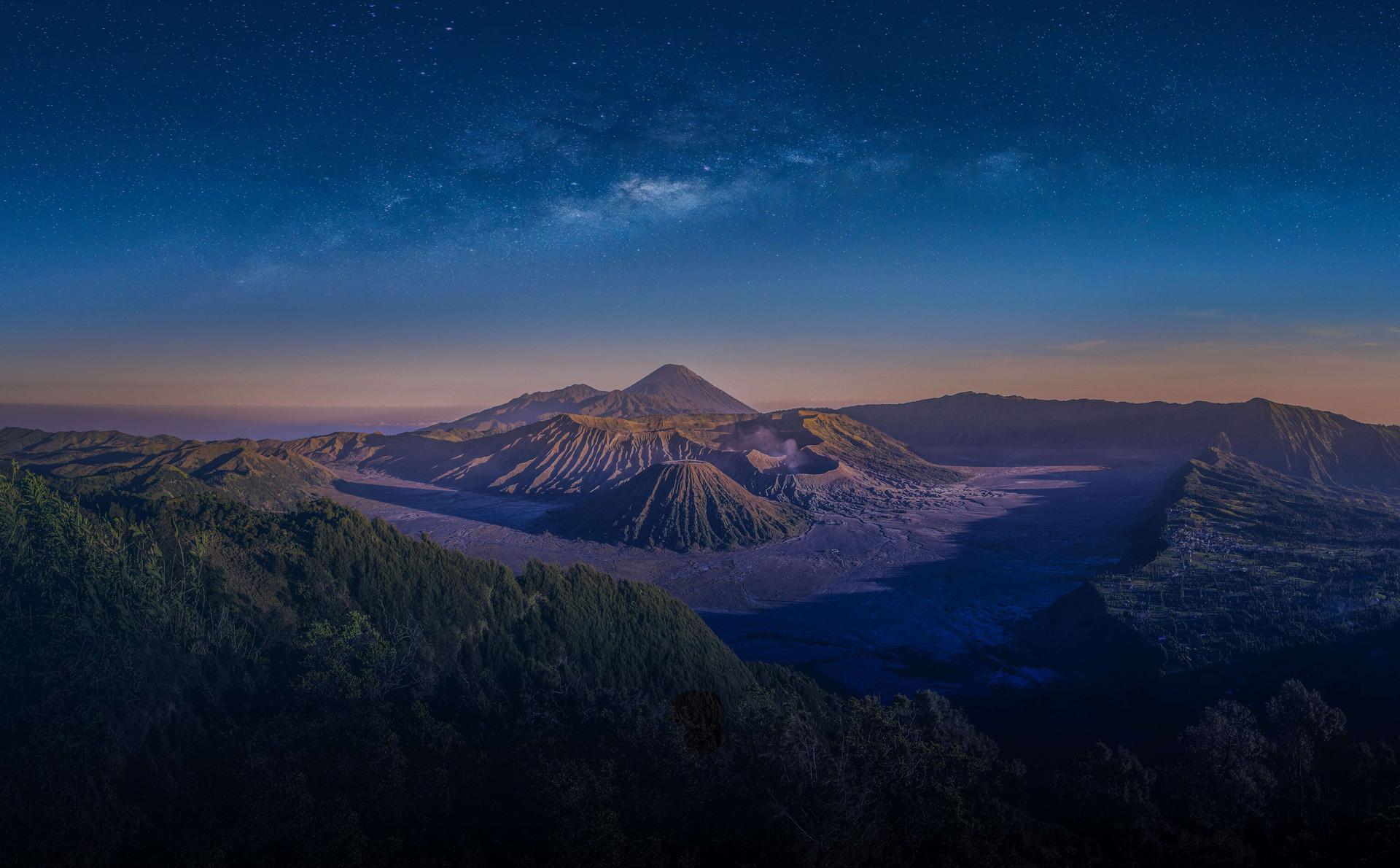
Sabah is Malaysia's crown jewel on the island of Borneo — a destination where ancient rainforests, spectacular coral reefs, and towering mountain peaks converge in one breathtaking corner of the world. Whether you are an adventure seeker hungry for multi-day treks, a family looking for gentle wildlife encounters, or a couple chasing golden-hour sunsets over the South China Sea, Sabah offers an experience that simply cannot be found anywhere else. The state sits at the northern tip of Borneo and packs an almost absurd variety of landscapes into its borders, from cool highland valleys near Mount Kinabalu to the warm turquoise shallows of the Tunku Abdul Rahman Marine Park just minutes from the city centre. This guide covers 15 of the very best things to do in Sabah so you can plan a trip that covers the highlights without missing the hidden gems.
Before diving in, start planning your stay early — Sabah's most popular experiences, from snorkelling day trips to cultural village tours, fill up quickly. Traveloka's competitive rates and wide selection make it the ideal place to compare and confirm your accommodation well ahead of arrival.
1. Climb Mount Kinabalu National Park
Mount Kinabalu is the centrepiece of Sabah and the highest peak in Southeast Asia, rising to 4,095 metres above sea level. Declared Malaysia's first UNESCO World Heritage Site in 2000, the national park surrounding the mountain is a haven of extraordinary biodiversity, sheltering over 4,500 species of flora, 326 species of birds, and a network of trails that cater to every fitness level. Even if you are not attempting the summit climb, the park's forest trails, botanical garden, and mountain gardens at Kinabalu Park headquarters offer full days of exploration in cool highland air. The park is open daily from 8:00 AM to 5:00 PM, with entrance fees at RM 10 per day for Malaysian adults and RM 50 for international visitors.
Hiking and Summit Trails
The Timpohon Trail is the most popular route to the summit, beginning at the park gate at 1,866 metres and ascending through mossy forest, open scrubland, and bare granite plateaus. Most climbers spend a night at Laban Rata resthouse at 3,270 metres before the final pre-dawn push to Low's Peak for sunrise. The ascent typically takes six to eight hours, and summiting on a clear morning reveals a panorama that stretches across the South China Sea to the Philippines on a cloudless day. Permits and guide fees are mandatory and should be secured months in advance, as daily climber quotas are strictly enforced.
Nature Walks and the Botanical Garden
For those who prefer a gentler pace, the park's lowland and montane forest trails offer remarkable wildlife spotting opportunities without the exertion of a summit bid. The Mountain Garden at park headquarters is open daily from 9:00 AM to 4:00 PM, with guided tours at 9:00 AM, 12:00 PM, and 3:00 PM, showcasing rare high-altitude plants including several species of pitcher plants found nowhere else on earth. Look out for the vivid Kinabalu birdwing butterfly, Kinabalu giant red leech, and the endemic Kinabalu serpent-eagle on the walking trails. The cool mountain air, with temperatures often dropping to around 10–15°C at the park base, makes this an especially refreshing escape from the coastal heat.
2. Explore Tunku Abdul Rahman Marine Park
Just a 15- to 20-minute boat ride from Jesselton Point Jetty in Kota Kinabalu lies one of Malaysia's most accessible marine parks — five islands ringed by brilliant coral reefs and beaches of powdery white sand. Tunku Abdul Rahman Marine Park, established in 1974 as Malaysia's first marine national park, encompasses Gaya, Manukan, Mamutik, Sapi, and Sulug islands, each with its own character and atmosphere. The park entrance fee is RM 8 per day for Malaysian adults and RM 25 for international visitors, with scuba diving attracting an additional fee of RM 100 for Malaysians and RM 200 for international divers. Island hopping between two or three islands in a single day is a popular way to experience the park's full range of beaches, reef life, and water sports.
Manukan Island
Manukan is the most developed and visited island in the park, offering well-maintained beach facilities, a swimming pool, chalets, and multiple spots for snorkelling directly from the shore. The reefs around Manukan are home to lionfish, parrotfish, sea turtles, and a wide variety of hard and soft corals that thrive in the sheltered waters. Snorkelling gear is available for hire at the jetty, making it easy to explore without any prior equipment purchase. The island's eastern beach tends to be quieter, making it the preferred spot for those seeking shade and a peaceful afternoon swim.
Sapi and Mamutik Islands
Sapi Island is well loved for its shallow, clear lagoon and the occasional appearance of reef sharks in the deeper waters just beyond the swim area. Mamutik Island is the smallest of the main five but arguably has the richest marine biodiversity directly accessible from the beach, with healthy table corals and schools of colourful reef fish visible in waist-deep water. Both islands attract water sports enthusiasts looking for parasailing, banana boat rides, and kayaking in addition to snorkelling. Early morning arrivals, before the main day-tripper boats, offer the most serene and uncrowded experience on either island.
3. Visit the Mari Mari Cultural Village
Mari Mari Cultural Village in Kota Kinabalu is a living heritage museum that preserves and celebrates the traditions of five of Sabah's major indigenous ethnic groups — the Kadazan-Dusun, Bajau, Murut, Lundayeh, and Rungus peoples. Set within a tropical forest setting outside the city, the village transports visitors into authentic reconstructions of traditional longhouses and homesteads where costumed cultural ambassadors demonstrate age-old crafts, rituals, and culinary traditions. Morning sessions run from 9:00 AM to 1:00 PM, and afternoon sessions from 2:00 PM to 5:00 PM, with entry priced at RM 80 for adults and RM 60 for children aged five to eleven years. A traditional lunch featuring bambangan (wild jungle mango pickle) and freshly prepared local dishes is included with most package bookings.
Cultural Demonstrations
Visitors can observe blowpipe demonstrations, watch traditional fire-making techniques using bamboo friction methods, and see intricate beadwork and weaving performed by skilled artisans in real time. The Bajau-style coastal dwelling exhibit recreates the lifestyle of Sabah's famous Sea Gypsies, complete with handicraft displays and authentic fishing tools. Each ethnic village section is led by a knowledgeable guide who speaks with genuine pride about their community's heritage, weaving personal family stories into the broader narrative of Sabah's multicultural identity. The experience is thoughtfully curated to avoid spectacle in favour of genuine education and cultural exchange.
Traditional Food and Drink
Among the highlights is the tapai rice wine tasting session, where visitors learn how fermented rice is prepared using traditional clay pots and banana leaves. Freshly grilled corn and hinava, a cured fish dish made with lime juice and chilli that is a staple of Kadazan-Dusun cooking, are among the flavours that tend to linger in memory long after the visit. The food demonstrations are hands-on and participatory — guests are encouraged to pound rice, roll sago biscuits, and taste the results of each preparation. This combination of flavour and culture makes the culinary component one of the most talked-about aspects of the Mari Mari experience.
4. Snorkelling and Diving at Mantanani Island
Pulau Mantanani Besar sits roughly 90 kilometres northwest of Kota Kinabalu and consistently earns its reputation as one of the finest snorkelling destinations in all of Sabah. The island's surrounding waters are crystal-clear with visibility stretching up to 20 metres on calm days, revealing a dazzling world of table corals, fan corals, and a remarkable variety of reef fish. Mantanani is one of very few places in Malaysia where you may encounter dugongs in the wild — these gentle sea mammals are occasionally sighted grazing on seagrass beds in the shallows around the island. Most visitors access Mantanani via day tour packages from Kota Kinabalu, which typically include boat transfers, snorkelling gear, a beach barbecue lunch, and multiple guided snorkelling stops.
For visitors who want to explore the full range of Sabah's waters, from open-ocean snorkelling to protected reef ecosystems, there are outstanding activities available on Traveloka that cover the best dive and snorkel sites across the state.
5. Watch the Sunset from Tanjung Aru Beach
Tanjung Aru Beach is Kota Kinabalu's most beloved stretch of coastline and the definitive spot to witness what the city is quietly famous for — sunsets that turn the horizon into a canvas of burning orange and rose-gold. The beach stretches for several kilometres south of the city centre and is easily accessible by taxi or car rental, with the most popular viewing area centred around the beachside food and drink stalls near the Tanjung Aru area. As the sun drops towards the South China Sea and the silhouettes of the Tunku Abdul Rahman Park islands appear against the crimson sky, the whole waterfront fills with locals, families, and travellers drawn together by one of nature's most reliable spectacles. Arrive at least an hour before sunset to find a good spot and allow time to order freshly grilled seafood from the evening hawker stalls.
Stand-Up Paddleboarding
Earlier in the day, when the water is calm and the light is soft, Tanjung Aru is a popular location for stand-up paddleboarding with local operators offering board hire and brief instruction sessions for beginners. The shallow, warm waters near the shore make it an ideal place to build confidence on a board without the risk of strong currents. Stingrays rest on the sandy seabed in the shallower sections, and patient observers may spot small reef fish darting beneath the surface as they glide. The combination of paddleboarding in the morning and sunset watching in the evening makes Tanjung Aru a destination worth visiting twice in a single day.
Seafood Dinner at the Hawker Stalls
As darkness falls along the Tanjung Aru seafront, the real culinary evening begins with charcoal-grilled stingray, steamed bamboo clams in garlic butter sauce, and wok-fried midin jungle fern arriving at tables set on the sand. The informal atmosphere of the hawker area, with plastic chairs facing the darkening sea, is quintessentially Sabahan — unpretentious, generous, and utterly relaxed. Ordering is done by pointing at the freshest catch displayed at the front stalls, and prices reflect the honest simplicity of the setting. A full meal of grilled fish, clams, vegetables, and two cold drinks for two people can comfortably cost under RM 80.
6. Take a Sunset Dinner Cruise on the Waterfront
Kota Kinabalu's city waterfront is the departure point for a series of evening dinner cruises that combine the city's legendary sunset views with international and local cuisine served onboard. The two-hour cruise format is the most popular option, with boats departing in the early evening and navigating the waters around the Tunku Abdul Rahman Park islands before returning under a sky full of stars. Live music, typically featuring a mix of traditional Sabahan melodies and contemporary ballads, adds a warm, festive atmosphere that suits honeymoon couples and family celebrations alike. Tables are set formally onboard with proper dinnerware, and the cuisine typically includes fresh seafood, local salads, and Sabah-inspired desserts.
7. Spot Proboscis Monkeys at Labuk Bay Sanctuary
The bekantan, or proboscis monkey, is one of Borneo's most distinctive and charismatic wildlife residents — an endearingly odd-looking primate with a pendulous nose that gives the animal a permanently surprised expression. Labuk Bay Proboscis Monkey Sanctuary near Sandakan Town is home to one of the largest semi-wild populations of proboscis monkeys in the world, living freely within a protected mangrove forest habitat that the sanctuary has carefully maintained and expanded over decades. Feeding sessions at Platform A take place at 9:30 AM and 2:30 PM, while Platform B sessions run at 11:30 AM and 4:00 PM, with entrance priced at RM 60 for adults and RM 30 for children aged three to twelve. The sanctuary also hosts maroon leaf monkeys, hornbills, and silver-leafed monkeys, ensuring rich wildlife sightings even between scheduled feeding times.
8. Experience the Sky Mirror at Bongawan
The Sky Mirror is one of Sabah's most extraordinary and ephemeral natural phenomena — a vast, pristine sandbar that emerges from the sea only during low tide, twice a day, creating a perfectly flat reflective surface that mirrors the clouds and sky above in an almost disorienting way. Located approximately one hour from Kota Kinabalu near the Bongawan mangrove coast, the experience is timed precisely to the tidal cycle, with the ideal reflection window lasting only one to two hours per appearance. Most visitors combine the Sky Mirror visit with a mangrove river cruise and an evening fireflies spectacle, where thousands of synchronised fireflies illuminate the mangrove trees along the river like a living light show. Tours typically depart from Kota Kinabalu and include transport, a guide, meals, and all three experiences within a single full-day outing.
9. Go Island Hopping at Tun Sakaran Marine Park
Tun Sakaran Marine Park in Semporna is the largest marine park in Sabah and one of the most biodiverse stretches of ocean in all of Southeast Asia, encompassing eight islands and vast areas of coral reef within its protected boundaries. The park is home to extraordinary marine biodiversity, including whale sharks, hammerhead sharks, manta rays, and hundreds of species of reef fish across dive sites that range from dramatic walls to colourful shallow gardens. Island hopping tours typically visit three different snorkelling and beach locations within a single day, allowing visitors to experience the variation between the park's different reef systems without the need for a full dive certification. Semporna town serves as the gateway, and from here speedboats carry guests out to the park's crystal waters in under 30 minutes.
10. Explore Mabul and Kapalai Islands (Semporna)
Mabul and Kapalai islands sit in the Celebes Sea off Sabah's southeastern coast and together form what is widely regarded as one of the top ten diving destinations on the planet. Mabul is particularly celebrated for its extraordinary diversity of macro marine life — mimic octopus, blue-ringed octopus, numerous species of nudibranch, ghost pipefish, frogfish, and a wealth of other rarely encountered creatures hide in the sandy seabed and reef crevices around the island. Kapalai sits atop a sandbank and is accessible only by overwater chalets built directly on stilts above the sea, creating one of the most dramatic and memorable accommodation settings in all of Borneo. Divers and snorkellers visiting from Semporna typically arrange multi-day packages that include overwater chalet stays, guided dives, and meals.
11. Visit the Sabah Museum in Kota Kinabalu
The Sabah Museum, located on a hilltop in the heart of Kota Kinabalu, is the most comprehensive cultural and natural history institution in East Malaysia and offers an essential grounding in the extraordinary diversity of the state's heritage. The museum complex contains a main building housing permanent collections on archaeology, ethnography, natural history, ceramics, and international art, alongside an open-air heritage village where reconstructed traditional houses from various Sabah ethnic groups can be explored. Entry is affordable, making it an ideal first stop for first-time visitors to Sabah who want context for the landscapes, peoples, and ecosystems they are about to encounter. The collections include some of the finest examples of Kadazan-Dusun ceremonial objects, Bajau horse culture artefacts, and specimens of Sabah's unique endemic wildlife in the natural history galleries.
12. Shop at the Filipino Market, Kota Kinabalu
The Filipino Market in central Kota Kinabalu is a sprawling, lively market complex spread across three distinct sections — Pasar Besar (the central market), Pasar Filipino (handicrafts and produce), and Pasar Ikan (the fish market) — and together they form one of the most atmospheric shopping experiences in all of Malaysian Borneo. The handicraft section is where visitors find handwoven baskets, shell jewellery, traditional batik sarongs, colourful tanjak headwear, and locally made wooden carvings at prices that reward friendly bargaining. The fish market's dawn hours, when fresh catches arrive directly from Sabah's fishing communities, are a feast for the senses — rows of mangrove snapper, giant prawns, sea cucumbers, and silvery mackerel arranged on ice under the early morning light. The market's informal, people-centred energy captures the multicultural spirit of Kota Kinabalu in a way that no purpose-built shopping mall ever could.
13. Take a Mount Kinabalu Farm Day Tour (Kundasang)
The cool highland town of Kundasang, perched at around 1,500 metres above sea level in the shadow of Mount Kinabalu, is famous for its temperate-climate agriculture and offers a delightful contrast to Sabah's tropical coastline. The Desa Cattle Dairy Farm is Sabah's largest dairy operation, producing fresh milk in a highland setting so lush and green that it recalls the pastoral landscapes of New Zealand — rolling hills, cool mist, and contented cattle grazing against a backdrop of the mountain's granite peaks. Nearby, family-friendly farm visits include encounters with hundreds of rabbits at the Ranau Rabbit Farm, strawberry picking sessions, and fresh organic vegetable gardens. The entire Kundasang farming corridor also hosts some of Sabah's finest highland restaurants, where farm-fresh beef, homemade yoghurt, and warm vegetable soups are served with views of the world's ninth-highest peak.
14. Take a Kota Kinabalu City Tour
Kota Kinabalu, affectionately known as KK, is a compact, walkable city on the north coast of Sabah that rewards exploration with its blend of colonial heritage, vibrant waterfront energy, and an eclectic food scene. A guided city tour typically covers the floating Kota Kinabalu City Mosque — one of the most photographed buildings in Malaysia, with its golden domes rising dramatically above a man-made lagoon — the nearby Sabah State Mosque, Signal Hill Observatory for panoramic city views, and the atmospheric streets of the heritage Jesselton waterfront district. The city's kopitiam culture is alive and well in its older shophouse lanes, where morning coffee orders come with roti bakar and soft-boiled eggs served at zinc-topped tables with fans spinning overhead. Half-day guided tours from licensed local operators are widely available and typically conclude at the Filipino Market for shopping and a fresh coconut.
15. Watch the Fireflies at the Klias or Bongawan Wetlands
As dusk settles over Sabah's coastal mangrove rivers, a natural light show begins that rivals anything human engineering could produce — tens of thousands of fireflies clustering in the branches of riverine trees, flashing their bioluminescent signals in near-perfect synchronisation. The Klias Wetlands and the Bongawan Mangrove River are the two most popular locations for firefly river cruises from Kota Kinabalu, both accessible within 90 minutes to two hours by road. Most tours depart in the late afternoon to allow time for proboscis monkey and macaque spotting along the river banks during the golden hour before darkness, transitioning into the firefly display as night falls completely. The experience of drifting silently on a narrow boat beneath canopies of blinking light, with the sounds of the forest all around, is genuinely one of the most magical things to do in all of Sabah.
When you are ready to book your flights to Kota Kinabalu, comparing routes, airlines, and fares in one place saves both time and money — Traveloka's flights search makes it straightforward to find the best available fare into Kota Kinabalu International Airport (BKI) from your home city.
Discover flight with Traveloka
Tue, 15 Sep 2026

AirAsia Berhad (Malaysia)
Kuala Lumpur (KUL) to Kota Kinabalu (BKI)
Start from RM 363.99
Wed, 9 Sep 2026
AirAsia Berhad (Malaysia)
Tawau (TWU) to Kota Kinabalu (BKI)
Start from RM 134.97
Mon, 21 Sep 2026
AirAsia Berhad (Malaysia)
Johor Bahru (JHB) to Kota Kinabalu (BKI)
Start from RM 337.71
Plan Your Trip with Southeast Asia's #1 Travel App
Traveloka is Southeast Asia's leading travel platform, trusted by over 100 million users across the region to plan, book, and manage every aspect of their journeys. Whether you are searching for the best-value hotels in Kota Kinabalu, comparing prices on multi-stop itineraries, or browsing Sabah's most exciting tour packages, the Traveloka app brings everything together in a single, intuitive interface built for travellers who value their time.
For your Sabah trip specifically, Traveloka covers every essential booking category with competitive pricing and verified availability. Book your flights into Kota Kinabalu International Airport and secure your accommodation from a selection of over 1,700 hotels and resorts across the state, from luxury overwater villas near Semporna to budget-friendly city hotels in the heart of KK. Travel insurance, eSIM data connectivity for keeping in touch across Sabah's remote coastal regions, and a wide range of local activities — from guided marine park tours to cultural village experiences — can all be confirmed in advance through the same platform.
Getting around Sabah is part of the adventure, and Traveloka makes ground logistics seamless too. Use airport transfer to arrange a comfortable, pre-confirmed ride from Kota Kinabalu International Airport directly to your hotel upon arrival, avoiding the uncertainty of finding transport after a long flight. For multi-destination itineraries that take you from Kota Kinabalu to Kundasang, Sandakan, or Semporna, car rental through Traveloka offers flexible self-drive options with transparent pricing and no hidden charges. Keep an eye on Traveloka promotions for seasonal deals on Sabah hotel packages, activity bundles, and flight fare sales that can make a significant difference to your total trip budget. Download the Traveloka app today and start building your Sabah itinerary — one of Borneo's most extraordinary destinations is just a few taps away.

Recommended Articles

12 Best Things to Do in Hokkaido in Winter 2026

Peru's Greatest Historical Sites: 8 Ancient Wonders You Need to See

Best Time to Visit Boracay 2026 for White Beach, Island Hopping & Sunsets

Kumala Beach: Your Complete Guide to Bali's Peaceful Coastal Escape

Pink Beach Lombok: Your Complete Guide to Lombok's Stunning Pink Sand Paradise

Mersing Beach: Your Complete Guide to Johor's Coastal Paradise