


Asakusa Temple (Sensō-ji) Tokyo 2026 Guide: History, Hours, and How to Visit


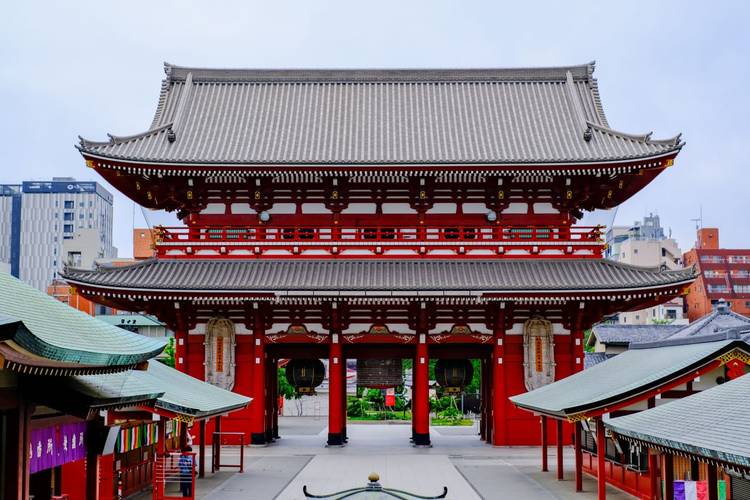
There's a reason nearly every first-time visitor to Tokyo ends up standing beneath the giant red lantern of Kaminarimon Gate, camera in hand. Asakusa Temple, better known locally as Sensō-ji, is Tokyo's oldest temple and its most visited spiritual site, a living slice of Edo-period Japan tucked into one of the city's liveliest old-town neighbourhoods.
Walk through the gate, past the incense smoke and souvenir stalls of Nakamise-dori, and you'll understand why over 30 million people make the pilgrimage here every year.
Whether you're chasing that iconic photo of the five-storey pagoda, hoping to draw an omikuji fortune, or simply after a proper introduction to old Tokyo, this guide covers everything you need to know, from Sensō-ji's 1,400-year backstory to the best time to go, how to get there, and where to eat and sleep nearby.
History of Asakusa Temple
Sensō-ji Temple is the oldest temple in Tokyo, founded in 645 AD. According to legend, the temple began after two fishermen discovered a golden statue of Kannon, the Buddhist goddess of mercy, in the Sumida River. The statue was later enshrined, and the site gradually became an important place of worship.
Over the centuries, Sensō-ji grew into one of Japan's most significant Buddhist temples, especially during the Edo period when it was supported by the Tokugawa shogunate. Although much of the temple was destroyed during World War II, it was carefully rebuilt and today stands as a symbol of Tokyo's resilience and rich cultural heritage.

Japan

Richmond Hotel Premier Asakusa International

9.3/10
•

Asakusa
S$568
Things To Do
Beyond simply admiring the architecture, there's a fair bit to keep you busy on temple grounds.
1. Walk Through Kaminarimon Gate
Sensō-ji's outer gate, famous for its 700 kg red lantern, is one of Tokyo's most photographed spots. Bow once before passing through, as is customary.
2. Browse Nakamise-dori
This 200-metre shopping street connects the two main gates and has sold traditional snacks, crafts, and souvenirs for centuries. Around 90 small shops line the route, so leave time to browse.
3. Draw an Omikuji Fortune
Sensō-ji is famous for its high proportion of "bad luck" fortunes. If you draw one, simply tie it to the designated rack rather than taking it home. Tradition holds that doing so will negate the ill fortune. .
4. Waft Incense at the Jokoro
The large bronze incense burner in front of the Main Hall draws crowds wafting smoke over themselves, said to bring health and good fortune.
4. Visit the Five-Storey Pagoda and Asakusa Shrine
The pagoda, Japan's second-tallest, sits beside the Main Hall, while the adjacent Asakusa Shrine honours the temple's three founders, a quieter, less crowded stop worth the short detour.
Opening Hours and Admission
The outer grounds of Sensō-ji are open 24 hours a day, and the temple buildings are beautifully illuminated each night until around 11:00 PM.
The Main Hall and amulet shops typically open from 6:00 AM to 5:00 PM between April and September, and from 6:30 AM to 5:00 PM from October to March.
Entry to Sensō-ji is completely free, though donations towards its upkeep are always welcome.
Best Time to Visit Asakusa Temple
The right time to go depends on how much company you'd like. Arriving between 6:00 AM and 8:00 AM rewards you with a near-empty temple, soft morning light, and the chance to watch locals offering their morning prayers.
After sunset, the temple buildings are lit up until around 11:00 PM, and the crowds thin out considerably, a magical, and far quieter, time to visit.
Spring brings cherry blossoms nearby at Sumida Park and the lively Sanja Matsuri festival in May; autumn offers comfortable temperatures and good foliage. Avoid New Year week and Golden Week (late April to early May) if you'd rather skip the biggest crowds.
How to Get There
Sensō-ji sits right in the heart of Asakusa, making it one of the easiest major sights in Tokyo to reach.
By Subway: Take the Tokyo Metro Ginza Line, Toei Asakusa Line, or Tobu Skytree Line to Asakusa Station. From Ginza Line Exit 1 it's roughly a one-minute walk to Kaminarimon Gate; from Toei Asakusa Line Exit A5 it's about the same.
From Tokyo Station: Take the JR Yamanote Line to Kanda Station (2 minutes), then transfer to the Ginza Line to Asakusa (about 10 minutes). The whole journey takes roughly 20 minutes.
From Narita or Haneda Airport: For a direct, transfer-free ride from Narita Airport, take the Keisei Access Express, which connects directly to the Toei Asakusa Line. From Haneda Airport, you can also travel without transfers by taking the Keikyu Airport Line (Airport Limited Express), which runs directly into the Toei Asakusa Line. Both options are incredibly convenient if Asakusa is your first stop in Tokyo.
By River: For something more scenic, a Sumida River water bus runs to Asakusa from piers including Hinode and Odaiba, offering a different perspective of the city on the way in.
Discover Flights With Traveloka
Mon, 26 Oct 2026

Scoot
Singapore (SIN) to Tokyo (HND)
Start from S$265.41
Wed, 28 Oct 2026

Air Do
Sapporo (CTS) to Tokyo (HND)
Start from S$88.75
Tue, 27 Oct 2026
Scoot
Jakarta (CGK) to Tokyo (HND)
Start from S$228.83
Tips for Visiting Asakusa Temple
A few small habits go a long way toward a smoother, more respectful visit.
1. Mind Temple Etiquette
Bow once before entering through Kaminarimon Gate, avoid walking down the centre of the path (reserved for deities), and keep your voice down near the Main Hall.
2. Carry Coins
A 5-yen coin is considered lucky for offerings, and small change is handy for omikuji fortunes and incense.
3. Visit Early or Late
Midday can get seriously crowded, especially on weekends. An early morning or evening visit makes for a far more peaceful experience.
4. Watch for Photography Restrictions
Avoid photographing people, including worshippers, without permission, and be mindful inside the Main Hall itself.
Tourist Attraction Near Asakusa Temple
Asakusa rewards a bit of extra wandering, with several worthwhile stops within easy walking distance.
1. Tokyo Skytree
Visible from Sensō-ji itself, Japan's tallest tower is roughly a 20-minute walk or a short train ride away, with observation decks offering panoramic city views.
2. Sumida Park
A pleasant riverside park a short stroll from the temple, particularly lovely during cherry blossom season in spring.
3. Asakusa Shrine
Sitting immediately beside the Main Hall, this Shinto shrine honours Sensō-ji's three founders and is far quieter than the temple itself.
4. Hanayashiki
Japan's oldest amusement park, just a few minutes' walk from the temple, offers a charmingly old-fashioned contrast to Tokyo's newer attractions.
5. Tokyo Mizumachi and Sumida River Walk
A scenic walking route linking Asakusa to Tokyo Skytree, passing the historic Asahi Beer headquarters along the way.
Where to Eat Nearby
Asakusa is one of Tokyo's best neighbourhoods for casual, traditional eating.
1. Nakamise-dori Snacks
The shopping street leading to the temple sells classic Asakusa treats like ningyo-yaki (small cakes), senbei rice crackers, and matcha-flavoured sweets. Perfect for grazing as you walk.
2. Hoppy Street
A lively strip of izakayas just west of the temple, known for cheap draft beer and grilled skewers in an old-school, convivial atmosphere.
3. Tempura and Unagi Specialists
Asakusa has long been known for its traditional tempura and unagi (grilled eel) restaurants, many family-run for generations. A good option if you want a proper sit-down meal after sightseeing.
Best Hotels Near Asakusa Temple
Unlike many temple destinations, Asakusa has an excellent range of hotels right on its doorstep, from designer boutique stays to reliable budget chains.
1. Asakusa View Hotel
Asakusa View Hotel is a genuine 4-star hotel only 280 metres (about a 4-minute walk) from Sensō-ji, with sweeping views of Tokyo Skytree from its upper floors and an indoor pool, a rarity for central Tokyo. Rates typically range from S$106 - S$624 per night.
2. The Gate Hotel Asakusa Kaminarimon by Hulic
The Gate Hotel Kaminarimon by Hulic is a stylish design hotel just a two-minute walk from Kaminarimon Gate, with a striking rooftop bar overlooking Sensō-ji and Tokyo Skytree. Expect spacious-for-Tokyo rooms and rates from around S$169 and can exceed S$1,000 per night.
3. Richmond Hotel Premier Asakusa International
A well-regarded 3.5-star hotel, Richmond Hotel Premier Asakusa International is also just a two-minute walk from the temple, prized for its generous breakfast spread and helpful, English-speaking staff. Nightly rates generally fall between S$112 to S$269.
Japan

Kimono Rental・Photography in Asakusa by ENNICHI KIMONO
Asakusa
S$44
4. Richmond Hotel Asakusa
Richmond Hotel Asakusa is a dependable 3-star sister property just a 2-minute walk from the temple. It offers clean, comfortable rooms and accessible facilities. Expect rates from around S$131 to S$468 per night.
5. APA Hotel Asakusa Ekimae
If you’re looking for a solid budget option for independent travellers, APA Hotel Asakusa Ekimae is an excellence choice. It is about a 5-minute walk from Sensō-ji and right by Asakusa Station for easy airport access. Rooms are compact but well-equipped, with rates typically starting from S$70 to S$100 per night.
*Please note that all prices mentioned in this article are accurate at the time of publication. Prices are subject to change at any time depending on the season, availability, and the hotel's policies.
Read More: How To Get To Mount Fuji From Tokyo
Plan Your Trip to Asakusa Temple (Sensō-ji) with Traveloka
Book a flight to Tokyo and explore Asakusa Temple (Sensō-ji). Arrange your hotel, car rental, airport transfer, and activity with Traveloka. Enjoy special deals, hotel discounts, free hotel cancellation, and easy flight rescheduling. *Terms and conditions apply.
Traveloka is #1 All-in-one Travel App in SEA and #1 in cumulative downloads (2014 to 2025) among Travel Booking services apps (Source: SensorTower | All-in-one Travel App), with over 140M app downloads across 9 countries in Indonesia, Vietnam, Thailand, Malaysia, Singapore, Philippines, Japan, South Korea, and Australia.
Book flights, hotels, and activities with 300+ Airline partners, Best Price Guarantee, 24/7 live agent support, and access to 2M+ hotels, over 2K Car Rentals & Airport Transfer providers in more than 50 countries, and 90K+ activities in one app. Download the Traveloka app on Google Play and the App Store.

In This Article
Recommended Articles

7 Romantic Dining Restaurants in Penang for Couples
10 Best Tourist Attractions Near the Great Wall of China

Hangzhou to Shanghai: A Complete Transport and Travel Guide
Best Luxury Resorts in Da Nang for an Unforgettable Stay
Lazarus Island: A Complete Hassle-Free Travel Guide
Outdoor Activities in Da Nang: A Complete Guide


