


Bangkok Power Plug Guide: Keep Your Devices Charged


Planning a quick getaway to Bangkok? Before you start mapping out café-hopping routes, shopping at Chatuchak Market, or visiting iconic temples, take a moment to check if your charger is compatible with the Bangkok power plug. It only takes a minute, but it can save you from arriving with a phone that's running out of battery and no way to recharge it.

The good news is that Bangkok's electrical system is fairly traveler-friendly. Most visitors won't need a voltage converter, although a travel adapter is still recommended depending on the type of plug your devices use. Here's everything you need to know before you fly.
What Type of Power Plug Does Bangkok Use?
Bangkok uses 220–230V electricity with a 50Hz frequency, which is almost identical to Singapore's electrical standard. The biggest difference is the shape of the power outlets.
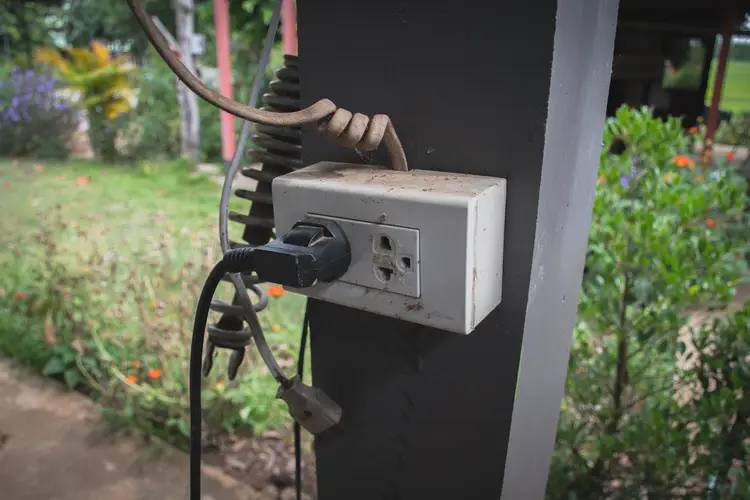
The most common power plugs you'll find in Bangkok are Type A and Type C, although some hotels, shopping malls, and newer buildings may also have Type B or Type O sockets.
Here's what each one looks like:
Read More: What to Pack for Thailand
Will Your Singapore Charger Work in Bangkok?
In most cases, yes. But you'll probably need a travel adapter.
Since Singapore uses Type G plugs with three rectangular pins, your charger won't fit directly into Bangkok's Type A or Type C sockets. A universal travel adapter solves this problem by allowing your plug to fit the local outlets.
The good news is that you won't usually need a voltage converter. Singapore operates on 230V at 50Hz, while Bangkok uses 220–230V at 50Hz, so both countries share nearly the same electrical standard.
Most smartphones, laptops, tablets, cameras, smartwatches, and other personal electronics sold in Singapore are also dual-voltage, meaning they're designed to work with 100–240V, 50/60Hz. Before you travel, simply check the label on your charger. If it says “Input: 100–240V”, you're all set with just a travel adapter.
A voltage converter is only necessary if you're bringing older appliances or devices that only support a single voltage.
Where to Buy a Travel Adapter in Bangkok
Forgot to pack your travel adapter? Don't worry, universal travel adapters are widely available at 7-Eleven, convenience stores, electronics shops, shopping malls, and major airports across Bangkok.
While buying one after you arrive is convenient, it's still a good idea to pack one before you leave Singapore. Not only will you be able to charge your devices as soon as you land, but you'll also avoid paying higher prices at airport shops.
Read More: Top 5 Airports in Thailand
Other Ways to Charge Your Devices in Bangkok
You may not always have access to a wall outlet while traveling around. Fortunately, there are several convenient ways to keep your devices charged while you're on the move.
1. Bring a Power Bank
A power bank is one of the easiest ways to keep your phone charged throughout the day. Whether you're using Google Maps to navigate the city, booking a Grab ride, or taking photos at the Grand Palace, a power bank can help you avoid running out of battery before you return to your hotel.
2. Use a Car Charger During Road Trips
If you are planning to rent a car for a road trip, a car charger is a convenient way to keep your phone, GPS, or other devices powered. Most modern car chargers come with USB-A or USB-C ports, making them compatible with a wide range of devices.
3. Consider a Portable Power Station
If you're travelling with multiple gadgets or working remotely, a portable power station can be a worthwhile investment. Unlike a regular power bank, it offers a larger battery capacity and can power devices like laptops, cameras, or even small appliances.
4. Use Public Charging Stations
You'll find charging stations at many airports, shopping malls, cafés, and transport hubs across Bangkok. They're convenient when your battery is running low, but it's safer to plug your own charger into a wall outlet instead of connecting directly to a public USB port.
5. Recharge at Cafés
Bangkok is famous for its café culture, and many cafés provide power outlets for customers. They're a convenient place to recharge both yourself and your devices while taking a break.
Read More: 12 Best Things to Do in Phuket, Thailand
Safety Tips for Charging Your Devices in Thailand
Charging your devices is generally straightforward, but a few simple precautions can help protect your electronics.
1. Check Your Device's Voltage Compatibility
Most devices purchased in Singapore are compatible with Thailand's electrical system. Before you travel, check your charger for an input rating of 100–240V. If your device only supports a lower voltage, you'll need a voltage converter.
2. Use Certified Chargers
Avoid buying extremely cheap replacement chargers from unknown brands. Certified chargers are safer and better at protecting your devices from electrical issues.
3. Don't Overload One Outlet
If you're using a multi-port adapter, avoid plugging too many high-power devices into a single socket at the same time.
4. Check the Socket Before Plugging In
Some older outlets may feel loose after years of use. If a plug doesn't fit securely, try another outlet instead.
Discover Flights With Traveloka
Tue, 27 Oct 2026

Scoot
Singapore (SIN) to Bangkok (BKK)
Start from S$111.58
Mon, 26 Oct 2026
Scoot
Singapore (SIN) to Bangkok (BKK)
Start from S$151.42
Sun, 4 Oct 2026

Thai Airways
Singapore (SIN) to Bangkok (BKK)
Start from S$235.98
5. Be Careful with Public USB Ports
If you must use a public USB port, consider using a USB data blocker to reduce the risk of juice jacking, where compromised USB ports could potentially access your device's data or install malware.
Stay Powered for Your Bangkok Adventure
From shopping along Siam Road and enjoying Bangkok's vibrant street food scene to visiting magnificent temples and rooftop bars, your phone will probably be one of the most important items you carry. Checking the Bangkok power plug before your trip only takes a few minutes, but it can save you unnecessary hassle once you arrive.
Ready to plan your Bangkok getaway? With Traveloka, you can book flights to Thailand, find hotels near your favorite attractions, arrange an airport transfer from the airport to your accommodation, reserve a car rental for day trips, and discover exciting attractions & tours across Bangkok all in one place. As the #1 All-in-one Travel App in SEA, Traveloka also offers Best Price Guarantee, 24/7 Live Agent Support, and access to 2M+ Hotels Worldwide to help you travel with confidence.
Looking for more Thailand travel inspiration? Explore destination guides, itineraries, and practical travel tips on Traveloka Explore before your next adventure.

In This Article



Recommended Articles

7 Romantic Dining Restaurants in Penang for Couples

10 Best Tourist Attractions Near the Great Wall of China

Hangzhou to Shanghai: A Complete Transport and Travel Guide
Best Luxury Resorts in Da Nang for an Unforgettable Stay

Lazarus Island: A Complete Hassle-Free Travel Guide

Outdoor Activities in Da Nang: A Complete Guide


