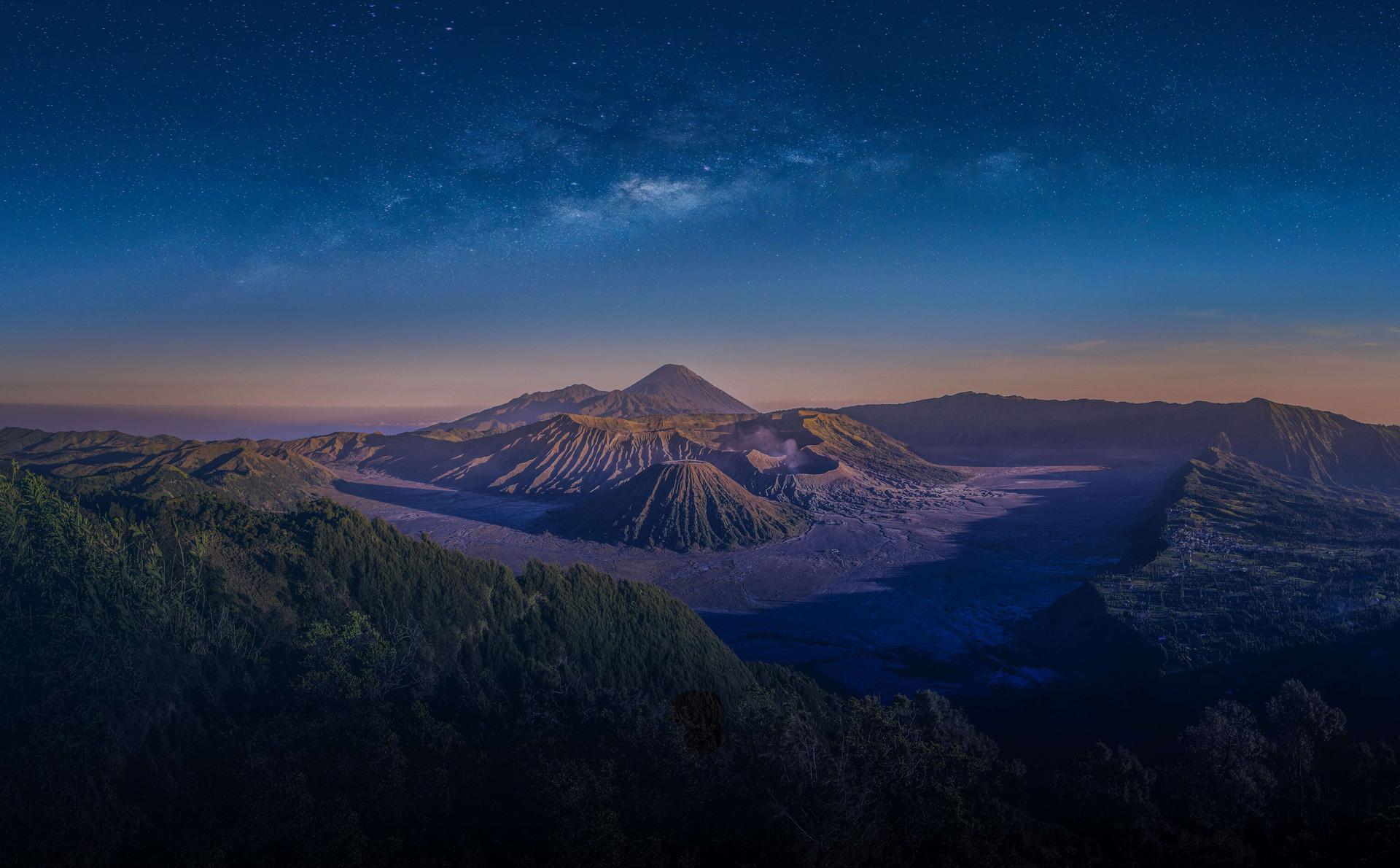
Best Time to Visit India and Where to Go Each Season


Snow-capped mountains, golden deserts, tropical backwaters, and bustling cities make India a destination that changes dramatically from one region to another. Rather than having a single ideal travel season, the country's diverse landscapes and climates mean the best time to visit depends on where you want to go and what you'd like to experience.
In general, October to March is considered the best time to visit India, with cooler temperatures across many popular destinations. However, every season offers unique opportunities, from exploring Rajasthan's historic forts and cruising Kerala's backwaters to trekking in the Himalayas and relaxing on Goa's sun-soaked beaches. Here's where to go throughout the year to make the most of your journey.
Where to Go in India Throughout the Year
India's changing climate means each season is ideal for different regions. Planning your itinerary around the weather helps you enjoy the country's diverse landscapes, cultural landmarks, and outdoor experiences at their best.
1. October to March: Discover Rajasthan, Delhi, and Agra
Pleasant temperatures make this the most popular season for exploring North India's iconic attractions. Visit the Taj Mahal in Agra, wander through Jaipur's colourful palaces, explore Delhi's historic landmarks, or witness the spiritual atmosphere along the ghats of Varanasi without the intense summer heat.
Discover Flights With Traveloka
Tue, 22 Sep 2026

Vietnam Airlines
Singapore (SIN) to New Delhi (DEL)
Start from S$267.01
Wed, 14 Oct 2026

Batik Air Malaysia
Kuala Lumpur (KUL) to New Delhi (DEL)
Start from S$208.83
Tue, 22 Sep 2026

IndiGo
Mumbai (BOM) to New Delhi (DEL)
Start from S$77.00
2. November to February: Relax in Kerala and Goa
The cooler, drier months are perfect for discovering India's tropical side. Cruise through Kerala's peaceful backwaters, visit tea plantations in Munnar, or unwind on Goa's golden beaches while enjoying sunny weather and vibrant coastal nightlife.
3. May to September: Escape to the Himalayas
As temperatures rise across the plains, mountain destinations such as Ladakh, Himachal Pradesh, and Uttarakhand become ideal for trekking, road trips, and exploring Buddhist monasteries. Many high-altitude routes are only accessible during these warmer months after winter snow has cleared.
4. July to September: Experience India's Lush Monsoon Landscapes
While the monsoon brings heavy rainfall to parts of the country, it also transforms regions such as Kerala and the Western Ghats into vibrant green landscapes. It's a beautiful time for nature lovers, although flexible travel plans are recommended due to occasional weather disruptions.
Plan Around India’s Most Colorful Festival
For many travellers, India's vibrant festivals become the highlight of the journey. If you'd like to experience the country's rich cultural traditions firsthand, these two colourful celebrations are well worth adding to your itinerary.
1. Holi (Usually March)
Known as the Festival of Colours, Holi fills streets with music, dancing, and vibrant coloured powders. Cities such as Jaipur, Delhi, and Mathura host some of the country's biggest celebrations, making March an exciting time to experience India's festive spirit.

India

A Complete Guided Amritsar Tour with Private Car
Amritsar
S$106
2. Diwali (Usually October or November)
Diwali, the Festival of Lights, transforms homes, temples, and city streets with colourful decorations and oil lamps. As the festival date follows the Hindu lunar calendar, it changes each year, so checking the official dates before booking is recommended.
Places and Experience You Shouldn't Miss in India
India offers extraordinary diversity, with every destination delivering a completely different experience. Here are five highlights that showcase the country's culture, history, and natural beauty.
1. Agra for the Taj Mahal
One of the New Seven Wonders of the World, the Taj Mahal is at its most comfortable to visit during the cooler months from October to March. Arriving early in the morning offers softer light for photography and fewer crowds around the marble mausoleum.
2. Jaipur for Royal Palaces
Known as the Pink City, Jaipur is famous for Amber Fort, City Palace, and Hawa Mahal. Winter provides pleasant temperatures for walking through historic streets and colourful bazaars while exploring Rajasthan's royal heritage.
3. Kerala for Backwaters and Nature
Cruise through Alleppey's peaceful backwaters aboard a traditional houseboat, explore spice plantations, or relax on palm-fringed beaches. Kerala's lush landscapes and slower pace make it one of India's most relaxing destinations.
4. Ladakh for High-Altitude Adventures
Open mainly between late spring and early autumn, Ladakh attracts travellers seeking dramatic mountain scenery, Buddhist monasteries, and some of the world's highest motorable roads. Winter snow closes many routes, making seasonal timing essential.
5. Ranthambore National Park for Wildlife
One of India's best-known tiger reserves, Ranthambore offers the highest chances of spotting Bengal tigers between October and April. Early morning safaris also provide opportunities to see leopards, deer, crocodiles, and a variety of birdlife.
Do Singaporeans Need a Visa for India?
Singapore passport holders generally require a visa to enter India for tourism. Most travellers can apply online through India's e-Visa system before departure, with various validity periods available depending on the purpose of travel. Since visa regulations and processing requirements may change, it's important to confirm the latest information through the official Indian visa portal before booking your trip.
When travelling to India, keep digital and printed copies of your visa approval, passport, return flight details, and accommodation bookings. Comprehensive travel insurance is also recommended, especially if your itinerary includes trekking, adventure activities, or travel to remote regions.
India

Vivanta New Delhi, Dwarka

8.6/10
•

South West Delhi
S$133
Plan Your Indian Adventure with Traveloka
The best time to visit India depends on the experiences you're looking for. While October to March offers comfortable weather across much of the country, India's diverse landscapes mean every season has something unique to offer, from Himalayan adventures and tropical escapes to colourful festivals and unforgettable wildlife encounters.
Ready to discover India's incredible diversity? Book your flights, hotels, attractions, and travel essentials in one place with Traveloka. As the #1 All-in-one Travel App in Southeast Asia, Traveloka offers a Best Price Guarantee, 24/7 Live Agent Support, and access to more than 2 million hotels worldwide. You can also enjoy up to 1.5x Loyalty Cashback on eligible bookings through Traveloka Promotions page, making your India journey even more rewarding.

In This Article


Recommended Articles

When Is the Best Time to Visit Kerala 2026? A Complete Travel Guide for Singaporean Tourists

7 Best Historical Sites in India: From the Taj Mahal to the Caves of Ajanta

Best Time to Visit Delhi 2026 for Comfortable Weather and Iconic Experiences

An All-Season Guide 2026 to The Best Time to Visit Mumbai and Hotel Recommendations

India Power Plug Guide: Everything You Need to Know Before Your Trip

What to Do in Chennai 2026: 7 Unmissable Spots for Culture, History, and Coastline