


Hong Kong Train Map Guide: MTR Lines, Stations & Travel Tips


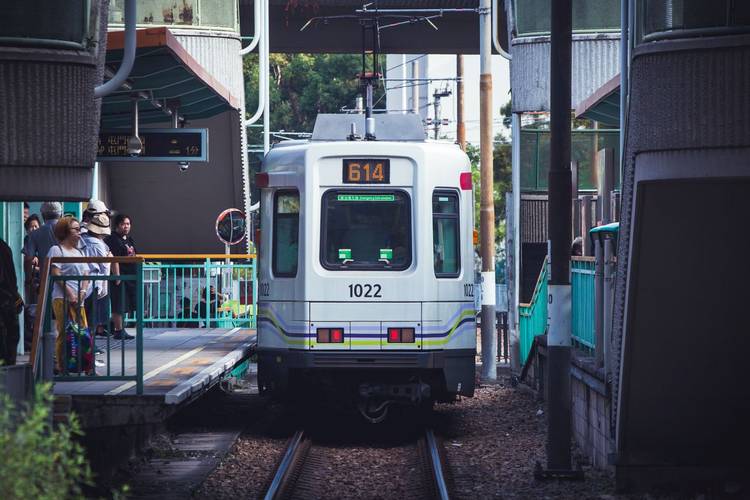
The Hong Kong MTR is the fastest and most convenient way to explore the city. Its extensive rail network connects Hong Kong Island, Kowloon, the New Territories, major attractions, airports, and even cross-border destinations in mainland China. Although the Hong Kong train map may look complex at first, the system is easy to navigate with colour-coded lines, English signage, and the convenient Octopus Card.

This guide covers the main MTR lines, key stations, ticket options, and practical travel tips to help you get around Hong Kong with ease.
Read More: Popular Things to Do in Hong Kong
Understanding the Hong Kong Train Map
Overview of the Network
The MTR is operated by MTR Corporation and comprises ten lines serving over 100 stations across the territory. What makes the Hong Kong MTR particularly impressive is not just its size but its performance: it consistently records on-time rates above 99.9%, and most trains run at headways of 2–5 minutes during the day on key lines, meaning you almost never need to check a timetable.
The network covers four main geographic areas:

Hong-kong

Hong Kong Disneyland

9.0/10
Lantau Island
S$20
In addition to the MTR proper, the territory also has the Peak Tram, the Star Ferry, double-decker trams on Hong Kong Island (known locally as "ding dings"), and a network of buses and minibuses all of which accept the Octopus card.
How the Fare System Works
MTR fares are distance-based, with most trips within central Hong Kong costing around HKD 10–20. The Airport Express is a separate premium service with higher fares.
The easiest way to pay is with an Octopus Card, which works on the MTR, buses, trams, ferries, and at many shops across Hong Kong. You can also use contactless Visa or Mastercard on most MTR lines by tapping in and out at supported fare gates.
The Role of Central Station
Central Station is Hong Kong's main transport hub, connecting the Island Line and Tsuen Wan Line. It also links directly to Hong Kong Station for the Airport Express and is within walking distance of the Peak Tram, IFC Mall, and Central Ferry Piers.
Why the Hong Kong MTR Is Easy to Use
The MTR is easy to navigate thanks to its colour-coded lines, English and Chinese signage, frequent trains, and tap-in, tap-out system. Its compact network also makes getting around Hong Kong quick and convenient, even for first-time visitors.
Hong Kong MTR Lines Guide
Hong-kong

Royal Plaza Hotel
9.1/10
•

Kadoorie Hill
S$229
Key Stations for Singaporean Tourists
1. Central, Island Line & Tsuen Wan Line
The commercial and transport heart of Hong Kong. Central station connects directly to Hong Kong station (Airport Express) via a pedestrian walkway, and is also the lower terminus of the Peak Tram, the most iconic way to reach Victoria Peak. The IFC Mall, Hong Kong Observation Wheel, and Central Pier (for Star Ferry crossings to Tsim Sha Tsui) are all within a short walk.
2. Tsim Sha Tsui, Tsuen Wan Line
The southern tip of the Kowloon peninsula and one of the most visited areas in all of Hong Kong, the Avenue of Stars, the Hong Kong Cultural Centre, the Clock Tower, and the famous Tsim Sha Tsui promenade with its harbour views are all here. At night, it's the best spot on the Kowloon side to watch the Symphony of Lights show across the water.
3. Mong Kok, Tsuen Wan Line & Kwun Tong Line
One of the most densely populated urban areas on earth and one of Hong Kong's most exhilarating street-level experiences. The Ladies' Market, Goldfish Market, Flower Market, and Sneaker Street are all within walking distance of Mong Kok station. An interchange between the Tsuen Wan and Kwun Tong lines makes it easy to arrive from either direction.
4. Causeway Bay, Island Line
Hong Kong Island's premier shopping and dining district: Times Square mall, the Sogo department store, dozens of restaurants across every price range, and the Victoria Park waterfront are all walkable from this station. One of the busiest stations on the island, and a natural base for an afternoon of exploring on foot.
5. Admiralty: Island Line, Tsuen Wan Line & South Island Line
A major interchange sitting between Central and Wan Chai. Admiralty connects three MTR lines and is also the closest station to Hong Kong Park, the Tamar government complex, and the Pacific Place luxury mall. The South Island Line extension south means it's also the gateway to Ocean Park and the Aberdeen area.
6 Tips for Using Hong Kong's Train Network
1. Get an Octopus Card
Buy an Octopus Card at the airport or any MTR station. It can be used on the MTR, buses, trams, ferries, and at many shops and restaurants across Hong Kong.
2. Take the Airport Express
The Airport Express is the fastest way to travel between Hong Kong International Airport and the city centre, with trains reaching Hong Kong Station in about 24 minutes.
3. Use In-Town Check-In
If available for your airline, use in-town check-in at Hong Kong or Kowloon Station to check in and drop off your luggage before heading to the airport.
4. Stand on the Right
When using escalators in MTR stations, stand on the right and leave the left side clear for people walking.
5. Avoid Rush Hour
For a more comfortable journey, avoid travelling during weekday peak hours, especially on busy cross-harbour MTR routes.
6. Combine the MTR with Trams and Ferries
Use the Hong Kong Tram to explore Hong Kong Island and take the Star Ferry between Central and Tsim Sha Tsui for an affordable ride with iconic harbour views.
Discover Flights With Traveloka
Wed, 21 Oct 2026

AirAsia Berhad (Malaysia)
Singapore (SIN) to Hong Kong (HKG)
Start from S$187.90
Sat, 31 Oct 2026
AirAsia Berhad (Malaysia)
Kuala Lumpur (KUL) to Hong Kong (HKG)
Start from S$121.48
Fri, 2 Oct 2026

Greater Bay Airlines
Taipei (TPE) to Hong Kong (HKG)
Start from S$93.33
Hong Kong's MTR is one of the easiest rail networks in Asia to get comfortable with. Especially for Singaporean visitors who already know how a tap-on, tap-off metro system works. A charged Octopus card, a basic familiarity with the Tsuen Wan and Island lines, and a map on your phone is genuinely all you need to navigate one of the world's most dynamic and rewarding cities.
Plan and book your Hong Kong trip through Traveloka, the #1 All-in-one Travel App in SEA. Book flights, hotels, and attractions & activities all in one place and travel from Singapore to Hong Kong without the hassle.

In This Article
Explore the Best of Hong Kong
Hong Kong
Yau Tsim Mong
Islands
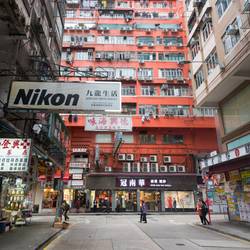
Kowloon
Recommended Articles

7 Romantic Dining Restaurants in Penang for Couples

10 Best Tourist Attractions Near the Great Wall of China

Hangzhou to Shanghai: A Complete Transport and Travel Guide
Best Luxury Resorts in Da Nang for an Unforgettable Stay
Lazarus Island: A Complete Hassle-Free Travel Guide

Outdoor Activities in Da Nang: A Complete Guide


