


Seoul Train Map Made Simple: A Beginner's Guide to Seoul’s Rail Network


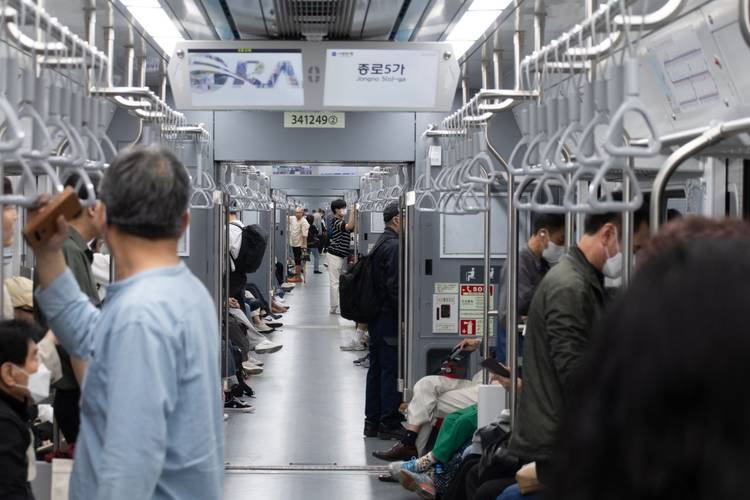
At first glance, the Seoul train map may look overwhelming with its colourful network of lines stretching across the city. However, once you understand how the subway system works, getting around Seoul becomes surprisingly simple. With extensive coverage, affordable fares, and bilingual station signs, the city's railway network is one of the most convenient ways to explore South Korea's vibrant capital.
Whether you're shopping in Myeongdong, visiting Gyeongbokgung Palace, exploring Hongdae, or taking a day trip beyond the city, chances are you'll be using Seoul's trains. This guide explains the Seoul train map in an easy-to-understand way, introduces the main railway lines, and shares practical travel tips to help you navigate the city like a local.
Understanding the Seoul Train Map
Seoul's railway network is centred around its extensive subway system, which is operated by several railway companies but functions as one integrated network. Instead of purchasing separate tickets for different operators, passengers can travel seamlessly across most subway and commuter rail lines using a rechargeable transportation card such as T-money or Cashbee.
Each subway line is identified by a unique colour and number, making it easier to follow routes and transfer between lines. In addition to serving destinations within Seoul, several lines extend to nearby cities in Gyeonggi Province and connect travellers to Incheon International Airport through the Airport Railroad Express (AREX).
Understanding the Seoul Train Map
Before your journey, it's helpful to familiarise yourself with the official subway map. The map highlights subway lines, transfer stations, airport connections, and major railway routes, allowing travellers to plan their journeys more efficiently.
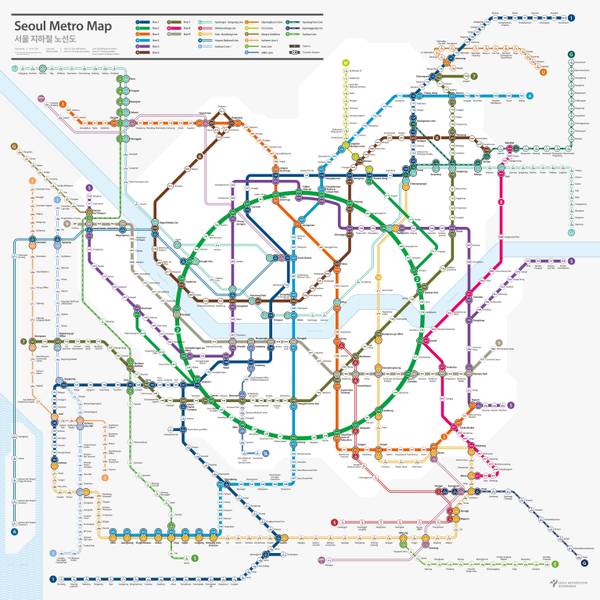
source: seoulmetro.co
8 Main Seoul Train Routes Every Traveller Should Know
While Seoul has more than 20 subway and commuter rail lines, these are the routes that most visitors will likely use during their trip.
1. Line 1
As Seoul's oldest subway line, Line 1 connects central Seoul with neighbouring cities such as Incheon, Suwon, and Cheonan. It's a convenient option for travellers visiting Seoul Station, Dongdaemun, or planning regional day trips.
2. Line 2
Known as the Green Line, Line 2 forms a loop around central Seoul and connects many of the city's busiest districts, including Hongdae, Sinchon, Gangnam, Jamsil, and Euljiro. Because it serves numerous shopping, dining, and entertainment areas, it's one of the most frequently used lines by both locals and tourists.
3. Line 3
The Orange Line is ideal for travellers interested in Seoul's history and culture. It stops near Gyeongbokgung Palace, Anguk, Express Bus Terminal, and Apgujeong, making it easy to explore both traditional attractions and upscale shopping districts.

South-korea

Lotte World Seoul Tickets

8.6/10
Songpa
S$22
4. Line 4
Line 4 provides direct access to several of Seoul's most popular tourist destinations, including Myeongdong, Namdaemun Market, Dongdaemun Design Plaza (DDP), and Seoul Grand Park. It's a particularly useful route for first-time visitors.
5. Line 5
Stretching east to west across the city, Line 5 connects key attractions such as Yeouido Hangang Park and Gimpo International Airport. It's also a convenient line for travellers heading towards Seoul's western districts.
South-korea

Hotel Skypark Central Myeongdong
8.4/10
•

Myeongdong
S$195
6. Line 9
One of Seoul's newer subway lines, Line 9 offers both local and express services, allowing passengers to travel more quickly between major business districts such as Gangnam, Yeouido, and Gimpo Airport.
7. Airport Railroad Express (AREX)
For many international visitors, AREX is the first train they'll experience in South Korea. It provides direct connections between Incheon International Airport, Gimpo International Airport, and Seoul Station. Travellers can choose between the Express Train for non-stop service or the All Stop Train, which serves multiple stations along the route.
8. Gyeongui - Jungang Line
If you're planning to visit attractions outside central Seoul, the Gyeongui-Jungang Line offers convenient access to destinations such as Paju, known for the DMZ tours, and other suburban areas in Gyeonggi Province.
Top Attractions and which Train Line to Take
The Seoul subway makes it easy to reach many of the city's iconic attractions without relying on taxis.
| Attraction | Best Train Line |
| Myeongdong | Line 4 |
| Gyeongbokgung Palace | Line 3 |
| Bukchon Hanok Village | Line 3 |
| Hongdae | Line 2 |
| Gangnam | Line 2 |
| Dongdaemun Design Plaza | Line 2 or Line 4 |
| N Seoul Tower | Line 4 |
| Lotte World | Line 2 or Line 8 |
| Yeouido Hangang Park | Line 5 |
Travel Tips for Using Seoul Trains
Travelling around Seoul is straightforward, but a few practical tips can make your journey even smoother.
Discover Flights With Traveloka
Wed, 28 Oct 2026

Jeju Air
Singapore (SIN) to Seoul (ICN)
Start from S$170.55
Thu, 1 Oct 2026
Jeju Air
Bangkok (BKK) to Seoul (ICN)
Start from S$151.12
Wed, 7 Oct 2026
Jeju Air
Hong Kong (HKG) to Seoul (ICN)
Start from S$126.11
Explore Seoul City Smoother like Butter with Traveloka!
Seoul's extensive railway network makes it easy to discover every side of the city, from historic palaces and bustling shopping streets to scenic parks and vibrant neighbourhoods. Once you understand the main train lines and choose the right transportation card, navigating the city becomes an enjoyable part of your travel experience.
Planning your South Korea adventure? Book flights, hotels, attractions, airport transfers, and more with Traveloka, the #1 All-in-one Travel App in SEA. Enjoy the Best Price Guarantee, access to 2M+ Hotels Worldwide, and 24/7 Live Agent Support for a hassle-free journey. Plus, earn up to 1.5x Loyalty Cashback on eligible bookings.

In This Article
Explore the Best of Seoul
Seoul
Myeongdong
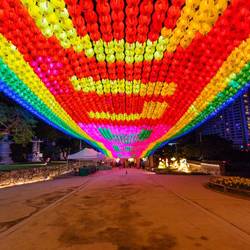
Gangnam
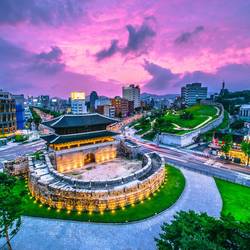
Dongdaemun
Recommended Articles

7 Romantic Dining Restaurants in Penang for Couples
10 Best Tourist Attractions Near the Great Wall of China
Hangzhou to Shanghai: A Complete Transport and Travel Guide
Best Luxury Resorts in Da Nang for an Unforgettable Stay
Lazarus Island: A Complete Hassle-Free Travel Guide
Outdoor Activities in Da Nang: A Complete Guide


