


Travel Health Essentials: How to Prepare Medically Before Your Next Trip


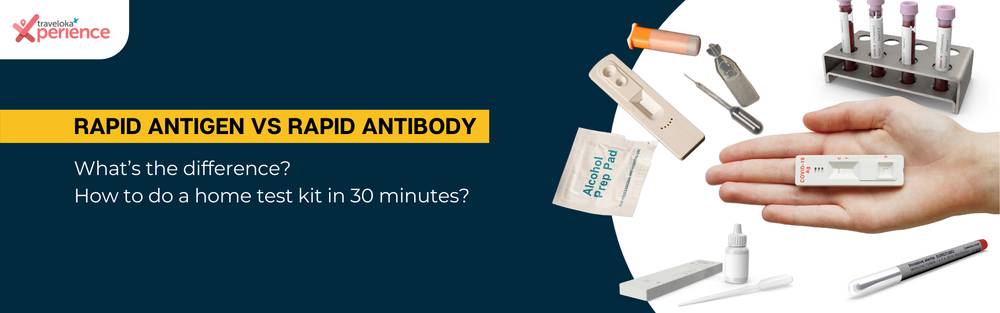
Booking your flights and choosing the perfect hotel is the exciting part of trip planning. But making sure your body is ready for the journey is just as important as packing your bags. A little preparation before you depart can mean the difference between a trip you remember fondly and one spent hunting for a pharmacy in an unfamiliar city. This guide walks you through everything you need to know to travel healthy, confident, and prepared.
Discover Flights With Traveloka
Tue, 27 Oct 2026

Scoot
Singapore (SIN) to Bangkok (BKK)
Start from S$114.76
Wed, 14 Oct 2026

Thai VietJet Air
Chiang Mai (CNX) to Bangkok (BKK)
Start from S$35.30
Tue, 20 Oct 2026
Thai VietJet Air
Kuala Lumpur (KUL) to Bangkok (BKK)
Start from S$79.93
1. Get Your Vaccinations Sorted Early
Vaccinations are one of the most effective things you can do before any international trip, and the earlier you start, the better. Most travel clinics recommend booking a pre-travel health consultation at least four to six weeks before departure, since some vaccines require multiple doses spread over several weeks. A travel medicine specialist will assess your destination, planned activities, and medical history to recommend the right protection for your specific itinerary.
For popular destinations across Southeast Asia — including Thailand, Vietnam, Indonesia, and the Philippines — routine vaccinations such as measles-mumps-rubella (MMR), tetanus, and influenza are the baseline. Beyond those, hepatitis A and typhoid are widely recommended, as food and water hygiene standards can vary outside of major resort areas. If you plan to trek through rural areas, visit animal sanctuaries, or spend time near wildlife, a pre-exposure rabies vaccination course is strongly advised.
Travellers to Japan and South Korea should ensure their routine vaccinations are current; Japanese encephalitis vaccination may be recommended for extended outdoor stays in rural areas during peak transmission season. For South Asia — including India and Nepal — hepatitis B and typhoid are commonly recommended alongside standard routine jabs. Always cross-check with your country's official health authority or a certified travel clinic, as recommendations vary by nationality, prior vaccination history, and the season of travel.
Keep a physical and digital copy of your vaccination records throughout the trip. Some countries may request proof of certain vaccinations at the border, and having documentation on hand protects you from delays at immigration.
2. Understand What Travel Insurance Actually Covers
Travel insurance is the safety net most travellers hope they never need — but genuinely cannot afford to skip. A comprehensive policy covers emergency medical treatment, hospital stays, medical evacuation, and repatriation if something serious occurs far from home. Medical evacuation alone can cost tens of thousands of dollars in remote or poorly served locations, making insurance one of the highest-value purchases you will make for any international trip.
Before you depart, review your policy in detail to understand exactly what is included. Key items to verify are the coverage limits for medical hospitalisation, the process for emergency cash advances, and whether the policy covers pre-existing conditions. Some policies require you to contact an emergency assistance hotline before seeking non-emergency treatment abroad, so save that number in your phone before you leave.
Traveloka offers travel insurance directly through the app, making it easy to add coverage at the time of booking so nothing slips through the cracks. Pairing your flights and accommodation with insurance in a single session removes the friction that causes many travellers to defer and ultimately forget. Check available plans under the insurance section of the app to find a policy that fits your destination, trip length, and personal health needs.
If you have a pre-existing medical condition, carry a signed letter from your doctor describing the condition, your current medications, and the dosages. This document is invaluable if you need treatment abroad, as it allows local medical staff to make informed decisions quickly.
3. Pack a Smart Travel Health Kit
A well-stocked travel health kit means you can handle minor ailments swiftly without losing half a day tracking down a pharmacy. The fundamentals are compact and lightweight: pain relievers such as paracetamol or ibuprofen, antihistamines for allergic reactions and insect bites, oral rehydration salts for dehydration, antidiarrhoeal tablets, antiseptic wipes, adhesive bandages, and a digital thermometer. Tuck them into a small ziplock bag or a dedicated travel pouch so they are easy to locate quickly.
If your destination involves significant outdoor activity, add high-SPF sunscreen, insect repellent containing DEET or picaridin, and blister plasters if you plan to walk long distances. Travellers to destinations with high sun intensity — including much of Southeast Asia, the Middle East, and Australia — should treat sun protection as non-negotiable. Reapply sunscreen every two hours during outdoor exposure and immediately after swimming or sweating.
All prescription medications should travel in their original, clearly labelled containers. Pack enough supply to cover the full trip plus a buffer of several extra days in case of delays, and always store them in your carry-on luggage rather than checked baggage. Certain medications — including some antibiotics and antiparasitic drugs — may need to be obtained before travel if they are not locally available at your destination, so ask your doctor or pharmacist well ahead of departure.
For travel to high-altitude destinations such as Nepal, Tibet, or the Andes, speak with your doctor about acetazolamide (commonly known as Diamox), a prescription medication that can help prevent acute mountain sickness. Altitude illness can affect anyone regardless of fitness level, and having appropriate medication on hand provides meaningful protection during acclimatisation days.
4. Know How to Handle Illness Abroad
Even with thorough preparation, illness abroad can happen. For minor issues such as traveller's diarrhoea, mild fever, or a stomach upset, begin with the supplies in your health kit and focus on staying well hydrated using oral rehydration salts. Rest in your accommodation and avoid rich or spicy food until symptoms ease. Most mild cases resolve within 24 to 48 hours with proper rest and hydration.
If symptoms are severe, persistent beyond two days, or involve a high fever, difficulty breathing, or any neurological symptoms, seek professional medical attention immediately. Large cities throughout Southeast Asia, East Asia, and Europe typically have internationally accredited hospitals with English-speaking staff. Your travel insurance provider's emergency hotline is your best first call — they can direct you to approved medical facilities and, in many cases, coordinate direct billing so you are not paying out of pocket.
Keep all receipts, medical reports, and prescriptions from any treatment received abroad. Insurers require this documentation to process claims, and you may also need an official written diagnosis to support a claim for cancelled onward travel. Photograph every document as a backup and store copies in your email or cloud storage as well as physically in your bag.
Travellers visiting destinations where insect-borne illnesses such as dengue or malaria are present should monitor for symptoms — including high fever, joint pain, and rash — in the days and weeks following their return home. Inform your doctor of your recent travel history if you feel unwell within a month of returning from a tropical destination.
5. Build a Pre-Trip Health Routine
The healthiest travellers treat their pre-departure preparation as seriously as their itinerary planning. Schedule a general check-up with your doctor four to six weeks before departure, particularly if you have any chronic conditions, take regular medication, or are travelling to a region with specific health considerations. Use this appointment to review vaccinations, discuss destination-specific risks, obtain any necessary prescriptions, and get your doctor's sign-off on planned activities such as diving, trekking, or high-altitude travel.
Dental health is an often-overlooked pre-trip priority. A dental emergency abroad can be both painful and expensive, particularly in destinations with limited dental infrastructure. Get a check-up and any outstanding work completed before you leave, and pack a small emergency dental kit with temporary filling material if you are prone to issues. The same applies to eye care: ensure your glasses or contact lens prescription is current and pack a spare pair.
In the weeks before a long-haul trip, prioritise sleep, hydration, and a nutritious diet to build your immune resilience. Staying hydrated on the plane — aiming for at least 250 ml of water per hour of flight — and moving around the cabin regularly reduces fatigue and lowers the risk of deep vein thrombosis on flights exceeding five hours.
Research food and water safety norms specific to your destination before you arrive. In many parts of Southeast Asia and South Asia, tap water is not safe to drink directly, and ice at street vendors may be made from untreated water. Stick to sealed bottled water and exercise caution with raw salads and unpeeled fruits at street stalls where water quality is uncertain.
Pre-trip health preparation timeline: six weeks before departure, book a travel health consultation and begin any multi-dose vaccination courses. Four weeks before, complete outstanding vaccinations and obtain prescriptions for any destination-specific medications, and purchase travel insurance through the app. One to two weeks before, assemble your travel health kit and fill all prescriptions. On the day of departure, pack all medications in your carry-on, save your insurer's emergency number in your phone, and carry a printed copy of your vaccination record.
Travel Smarter with Traveloka
Southeast Asia's leading travel platform, trusted by over 100 million users, Traveloka brings everything you need for a smooth, well-prepared journey into one place. Book hotels across thousands of destinations worldwide — from boutique guesthouses to five-star city-centre properties — and discover curated activities that make every stopover memorable. An airport transfer booked in advance means no stress on arrival, while a car rental gives you the freedom to explore remote destinations at your own pace. Check Traveloka promotions that bring real savings on flights, hotels, and experiences. Download the Traveloka app today and take the first step toward your best-prepared trip yet.

Tags:
antibodytest
antigentest
covidtest
covidtestkit
covidtesttype
pcrtest
wheretogettested
Recommended Articles

10 Best Things to Do in Melbourne with Kids

Sustainable Travel Tips: A Practical Guide for 2026
Singapore Night Festival 2026: Dates, Theme, and What to See
Ferries from Bali to Lombok: Routes, Prices, and Tips

Ultimate Guide: How to Plan a Multi-City Trip in Southeast Asia

7 Romantic Dining Restaurants in Penang for Couples


