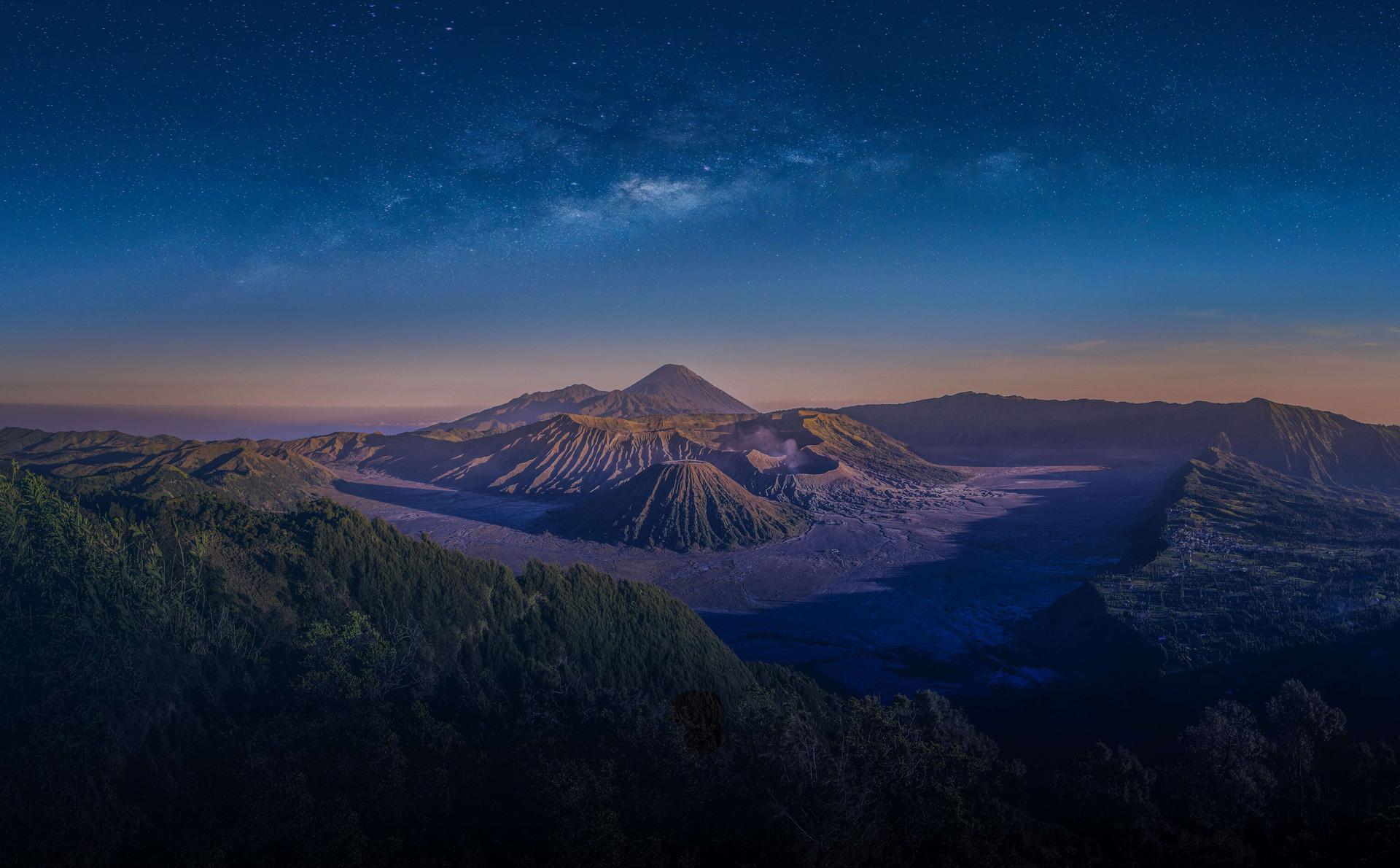
Best Time to Visit Madagascar: Weather, Seasons & Travel Tips


The best time to visit Madagascar is during the dry season from May to October, with June to October offering the most reliable mix of comfortable temperatures, passable rural roads, and prime wildlife viewing — including humpback whale season off Ile Sainte-Marie from around July to September. September and October are a particularly good bet if you want dry-season conditions with fewer crowds and lower prices than the July–August peak.

Travel advisory: Singapore's Ministry of Foreign Affairs (MFA) currently has a travel notice in effect for Madagascar (as of 15 June 2026), advising Singaporeans to exercise a high degree of caution, remain vigilant, and avoid large crowds, protests and demonstrations, following the political transition that followed 2025's protests. Singapore also has no diplomatic mission in Madagascar, so consular support on the ground is limited. Please check the latest advisory at mfa.gov.sg before planning or booking any trip.
Madagascar runs on a tropical two-season system — dry and wet — rather than four distinct seasons. But as the world's fourth-largest island, it spans cool highlands, a rainforest-covered east coast, an arid south, and a drier west coast, so weather can vary a lot depending on which part of the country you're in. Here's how to time your trip.
Discover flight with Traveloka
Wed, 16 Sep 2026

Sichuan Airlines
Singapore (SIN) to Beijing (PEK)
Start from S$174.72
Wed, 23 Sep 2026

Shenzhen Airlines
Kuala Lumpur (KUL) to Beijing (PEK)
Start from S$149.64
Fri, 2 Oct 2026

Shandong Airlines
Jakarta (CGK) to Beijing (PEK)
Start from S$176.92
Best Time to Visit Madagascar — Month by Month
Rated on a 4-star scale: more stars means better travel conditions
Month | Rating |
|---|---|
| January | ★ Poor |
| February | ★ Poor |
| March | ★ Poor |
| April | ★★ Fair |
| May | ★★★ Good |
| June | ★★★★ Best |
| July | ★★★★ Best |
| August | ★★★★ Best |
| September | ★★★★ Best |
| October | ★★★★ Best |
| November | ★★★ Good |
| December | ★★ Fair |
What the ratings mean:
Rating | What it means |
|---|---|
| ★★★★ Best | Dry, comfortable conditions with reliably passable roads. Ideal for wildlife-viewing and multi-region itineraries. |
| ★★★ Good | Mostly dry with rising heat or the tail end of the wet season. Still a solid time to go, generally at lower prices. |
| ★★ Fair | Transitional weather — rain becoming more frequent, or lingering unpredictability. Manageable with flexible plans. |
| ★ Poor | Peak wet season with elevated cyclone risk. Heavy rain can cut off rural roads and some parks. |
Madagascar's Weather Through the Year
Madagascar's dry season runs roughly May through October, coinciding with the Southern Hemisphere's winter and spring, while the wet season spans November to April. Cyclone risk is present from November through mid-May but peaks between late December and mid-April, with January, February and March typically the highest-risk months.
How that plays out depends heavily on where you are. The central highlands around the capital, Antananarivo, are cool and dry from around April to September — July is typically the coolest month, and nights can feel genuinely chilly. The west coast, home to the Avenue of the Baobabs near Morondava, has the most classic dry-beach pattern, staying largely rain-free from May to November. The south, including the spiny forests near Toliara and Ifaty, is the driest region overall, though nights there can also turn cool from June to August.
The east coast is the outlier: because of persistent trade winds, it sees rain year-round and never has a truly "dry" month. Rainfall there is heaviest from January to March and lightest — though still present — from around September to December, so it's best to think in terms of "least wet" rather than "dry" when planning trips to that side of the island.
Month-by-Month Guide
Month | Rating | What to expect |
|---|---|---|
| January | Poor | Hot, humid, and wet across most of the island; cyclone risk is present and rising. |
| February | Poor | Statistically the peak cyclone month, with the heaviest rains of the year in many regions. |
| March | Poor | Cyclone risk remains elevated through mid-month; still wet, though it typically eases by month-end. |
| April | Fair | Tail end of the wet season — rain becomes less frequent, landscapes are lush, and prices are generally low. |
| May | Good | Dry season begins; warm and green from recent rains, with fewer tourists and good value. |
| June | Best | Reliably dry with comfortable temperatures; humpback whale season begins off Ile Sainte-Marie. |
| July | Best | Peak dry season and whale watching, but also the busiest and most expensive month due to European school holidays. |
| August | Best | Excellent dry-season conditions across most regions; crowds and prices remain high. |
| September | Best | Dry weather continues with slightly smaller crowds than July–August; wildlife activity is strong. |
| October | Best | Widely regarded as the top all-round month — dry and warm without yet being hot, baby lemurs are being born, and orchids are in bloom. |
| November | Good | Still mostly dry in the south and west; rains begin returning to the east coast, and prices dip ahead of cyclone season. |
| December | Fair | Wet season has begun and cyclone risk is rising, though Christmas/New Year still brings a demand and price spike. |
Best Time to Visit by Region
Because Madagascar is so large and geographically varied, a single blanket answer doesn't quite do it justice. Here's how the main travel regions differ.
Region | Best months | Notes |
|---|---|---|
| Highlands (Antananarivo) | April–September | Cool and dry, with genuinely chilly nights from June to August; most itineraries pass through here regardless. |
| East coast (Andasibe-Mantadia, Ile Sainte-Marie) | September–December | Rains year-round, so aim for the "least wet" window rather than a true dry season; whale watching runs July–September. |
| West coast (Avenue of the Baobabs, Morondava) | May–November | The most classic dry-season beach climate on the island, best paired with a west-coast itinerary. |
| South (Isalo, Ifaty, spiny forest) | April–November | Driest region overall; hottest December–March, with cool, jacket-worthy nights from June to August. |
Best Time to Visit by Travel Style
For the best weather: June through October delivers the most reliable dry conditions nationwide, along with easier overland travel between regions, since many rural roads become difficult in the wet season.
For lower prices and fewer crowds: April and November are solid shoulder-season picks — noticeably cheaper than the June–October peak, with generally manageable weather. Late April into May, before the July–August rush, is another good value window.
For festivals and culture: Independence Day on 26 June 2026 brings parades and celebrations nationwide, especially in Antananarivo, and lands right in the heart of the dry season. Malagasy New Year (Alahamady Be), a traditional lunar-calendar celebration marking the shift from rainy season to rice harvest, falls around mid-to-late March 2026. Travellers may also encounter famadihana, the well-known ancestral "turning of the bones" reburial ceremony — this isn't a fixed annual event but a family-organised occasion typically held in the dry winter months, so it's one you might witness locally rather than plan a trip around.
Peak vs. Shoulder vs. Off-Season
Season | Crowds | Prices | Weather |
|---|---|---|---|
| Peak (July–August) | Highest, driven by European school holidays | Highest of the year | Dry and comfortable, best for wildlife and whale watching |
| Shoulder (April–June, September–November) | Moderate | Lower than peak | Mostly dry with good conditions, especially June and September–October |
| Off-season (December–March) | Lowest, aside from a Christmas/New Year spike | Lowest overall, apart from that same spike | Wet season with real cyclone risk and possible road/park closures |
For flexible travellers, September or October gives the best balance of dry-season weather, active wildlife, and manageable crowds and prices.
Practical Tips for Planning Your Trip
Flight time: There's currently no direct flight between Singapore and Madagascar. The most practical routing is via Addis Ababa on Ethiopian Airlines, with a total journey — including the layover — of roughly 16 to 20 hours door-to-door. Connections via Istanbul, Nairobi or Dubai are also possible; check current routes and schedules when booking.
Visa: Singapore passport holders don't need a visa arranged in advance. You can get a visa on arrival at Ivato International Airport (Antananarivo), valid for up to 90 days, or apply for an e-visa online before you travel. Fees have increased in 2026 and vary by length of stay, so check the current rates directly at evisamada.gov.mg before you go.
What to pack: Light, breathable clothing for most of the country, plus a warm layer for highland or southern nights (especially June to August, when temperatures can drop to around 15°C). A light rain jacket is useful even in the dry season, and sturdy shoes are worth it for national park visits.
Getting around: Domestic flights connect the main regions, but they're infrequent, and road journeys between highlight areas — such as the highlands, the west coast, and the south — can take 8 hours or more. Building in extra travel time between regions is essential, particularly outside the dry season.
Once your dates are set, it's easy to book flight tickets and book hotels together, then browse things to do to fill out your itinerary.
Frequently Asked Questions
What is the cheapest month to visit Madagascar?
January to March, deep in the wet season, tends to see the lowest flight and lodge prices, but comes with real cyclone and flooding risk, and some roads or parks may be inaccessible. April or November are generally a safer bet for lower prices with more manageable weather.
How many days do you need in Madagascar?
Most travel guides recommend at least 10 to 14 days to meaningfully cover two or three regions — for example, the eastern rainforest, the south, and the Avenue of the Baobabs — since the island is large, domestic flights are infrequent, and road journeys between highlights are long. Two to three weeks is commonly recommended for a fuller multi-region trip.
Is October a good time to visit Madagascar?
Yes — October is widely considered one of the best all-round months to visit. Dry-season conditions hold, temperatures are warm without being at their peak, baby lemurs are being born, and crowds and prices are typically lower than the July–August high season.
Where's the best place to see whales in Madagascar?
Humpback whales migrate to Madagascar's east coast, particularly around Ile Sainte-Marie, roughly from July through September. It's a genuinely distinctive, time-sensitive wildlife draw that overlaps neatly with the dry season's best weather window, making it well worth building a trip around if whale watching is a priority.
Discover flight with Traveloka
Tue, 6 Oct 2026

Jetstar
Singapore (SIN) to Bali / Denpasar (DPS)
Start from S$114.12
Mon, 14 Sep 2026

AirAsia Indonesia
Jakarta (CGK) to Bali / Denpasar (DPS)
Start from S$87.90
Tue, 22 Sep 2026

Batik Air Malaysia
Kuala Lumpur (KUL) to Bali / Denpasar (DPS)
Start from S$100.22
Ready to Plan Your Trip?
With its mix of highland forests, baobab-lined coastlines, and rare wildlife, Madagascar rewards travellers who time their trip around the dry season — just be sure to check the latest MFA travel advisory before you book. Once you've settled on your dates, Traveloka makes it simple to line up flights, accommodation, and activities all in one place.
In This Article
Recommended Articles
Best Time to Visit Ghana: Weather, Seasons & Travel Tips

Best Time to Visit Colombia: Weather, Seasons & Travel Tips

Best Time to Visit Galapagos: Weather, Seasons & Travel Tips

Best Time to Visit Medellin: Weather, Seasons & Travel Tips

Best Time to Visit Ecuador: Weather, Seasons & Travel Tips

Best Time to Visit Jamaica: Weather, Seasons & Travel Tips
Explore the Best of Madagascar

Madagascar