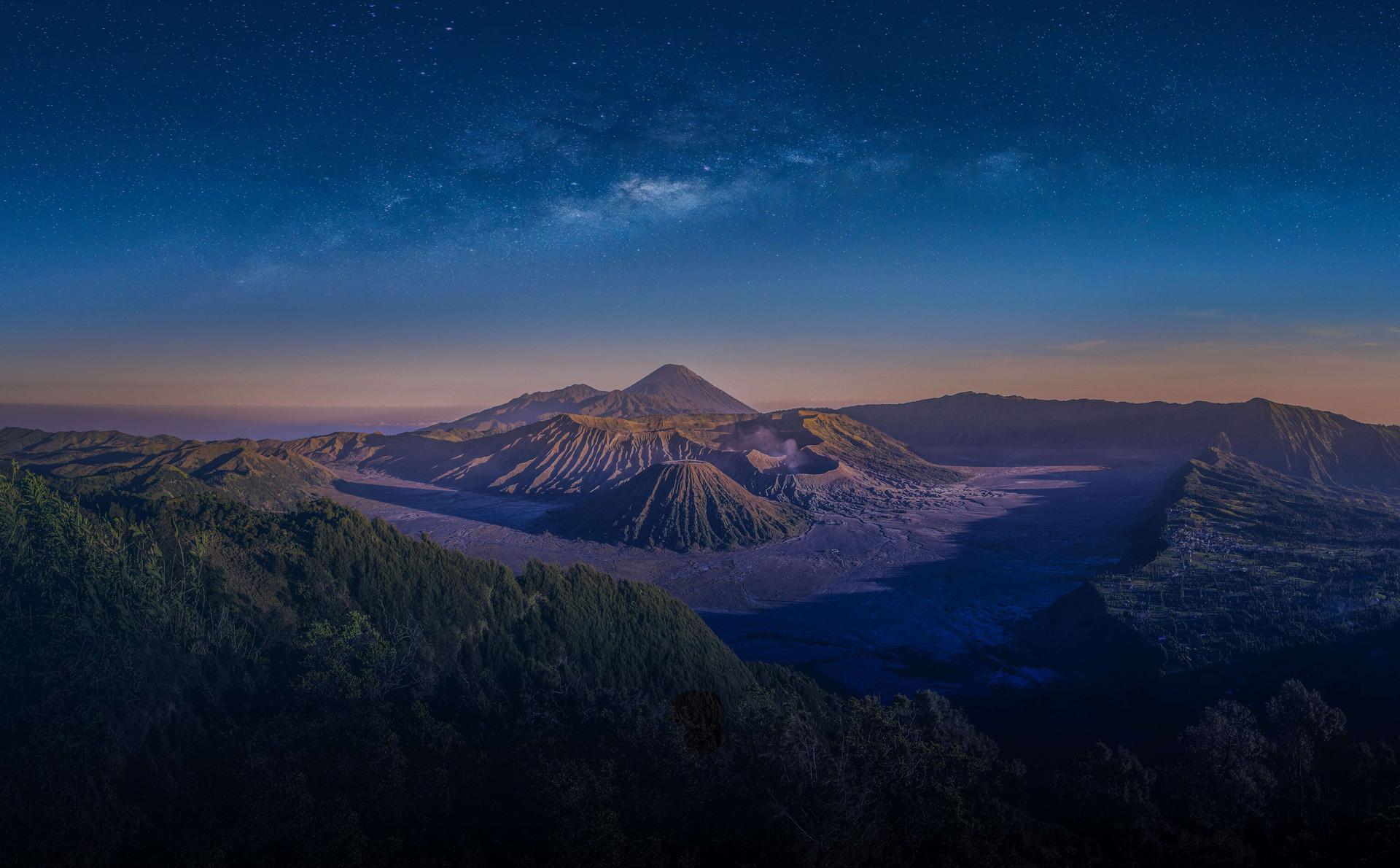
Best Time to Visit Mount Bromo: Weather, Seasons & Travel Tips


The best time to visit Mount Bromo is during the dry season, roughly April to October, when skies are clearest and the odds of catching an unobstructed sunrise over the Tengger sand sea are highest. June to September offers the most reliably dry, clear weather, while April–May and September–October give you nearly the same views with smaller crowds and lower prices than the July–August peak.
Mount Bromo sits within Bromo Tengger Semeru National Park in East Java, and like the rest of Indonesia it runs on a two-season tropical pattern rather than four distinct seasons — dry and wet, not spring, summer, autumn and winter. What makes Bromo a little different from lowland Java is elevation: the viewpoints and crater rim sit at around 2,200–2,330 metres, so it gets genuinely cold before dawn even though you're still in the tropics. Here's how to time your trip.
Discover flight with Traveloka
Mon, 31 Aug 2026

Scoot
Singapore (SIN) to Kuala Lumpur (KUL)
Start from S$78.01
Sat, 12 Sep 2026

Malaysia Airlines
Johor Bahru (JHB) to Kuala Lumpur (KUL)
Start from S$33.50
Sun, 23 Aug 2026

AirAsia Berhad (Malaysia)
Miri (MYY) to Kuala Lumpur (KUL)
Start from S$90.03
Best Time to Visit Mount Bromo — Month by Month
Rated on a 4-star scale: more stars means better travel conditions
Month | Rating |
|---|---|
| January | ★ Poor |
| February | ★ Poor |
| March | ★★ Fair |
| April | ★★★ Good |
| May | ★★★★ Best |
| June | ★★★★ Best |
| July | ★★★ Good |
| August | ★★★ Good |
| September | ★★★★ Best |
| October | ★★★ Good |
| November | ★★ Fair |
| December | ★ Poor |
What the ratings mean:
Rating | What it means |
|---|---|
| ★★★★ Best | Clear dry-season skies, good odds of an unobstructed sunrise over the crater, comfortable crowd levels. |
| ★★★ Good | Mostly dry, clear conditions, but either heavier crowds/prices or slightly more rain risk than peak months. |
| ★★ Fair | Transitional weather — rain and fog becoming more frequent or not yet fully cleared. Manageable with flexible plans. |
| ★ Poor | Wet-season rain and fog likely to obscure the sunrise crater view, plus slippery jeep-trail conditions. |
Mount Bromo's Weather Through the Year
Bromo follows the same broad dry/wet monsoon pattern as the rest of East Java, but the actual visitor experience is shaped by altitude. At the Cemoro Lawang village and Penanjakan/Seruni Point viewpoints, daytime temperatures typically sit around 14–20°C, while the pre-dawn hours when everyone gathers for sunrise can drop to 0–9°C — occasionally close to freezing during peak dry-season nights in July and August. Once the sun is up and you're crossing the sandy caldera floor, temperatures can climb to around 25°C in direct sun, so layering matters more here than in most of tropical Southeast Asia.
Also Read: 10 Things to Do in Yogyakarta for Couples
The dry season, roughly April/May through September/October, brings clear skies and the best visibility for the sunrise-over-the-crater view that most people come for. August is typically the driest, clearest month of the year. The wet season, roughly November through March/April, brings heavier rain and thick mist that frequently rolls in and obscures the crater at dawn, along with muddier, slower jeep-trail conditions. January through March are generally the wettest months.
Indonesia does have active volcanoes elsewhere in the region, including Semeru, which shares the same national park as Bromo and has seen ongoing volcanic activity. This hasn't affected access to Bromo's own crater and viewpoints, but conditions at shared national park sites can change, so it's worth checking Singapore's MFA travel page for Indonesia and Indonesia's PVMBG volcano status shortly before you travel.
Month-by-Month Guide
Month | Rating | What to expect |
|---|---|---|
| January | Poor | Wettest month of the year; heavy rain and fog regularly obscure the sunrise crater view. |
| February | Poor | Still deep wet season, with frequent rain and mist limiting visibility. |
| March | Fair | Rain tapering off but still frequent. Eid al-Fitr (21 March 2026, observed by Muhammadiyah on 20 March) triggers a major domestic travel surge and price spike around month-end. |
| April | Good | Dry season setting in, skies clearing steadily, moderate crowd levels. |
| May | Best | Early dry season with clear skies and good crowd levels — though the Yadnya Kasada ceremony typically closes the caldera to general tourism around 30–31 May 2026 (see below). |
| June | Best | Peak dry season with reliably clear skies; school holidays begin pushing crowds up toward month-end. |
| July | Good | Excellent weather but crowded and pricier, driven by Indonesian and regional school holidays. |
| August | Good | The driest, clearest month of the year, but also peak season — expect the highest crowds and prices, compounded by Indonesian Independence Day on 17 August. |
| September | Best | Still dry and clear, with crowds thinning out after the school holiday rush — a strong value window. |
| October | Good | Tail end of the dry season; generally good conditions, though rain risk starts creeping back in some years. |
| November | Fair | Wet season returning, with increasing fog and rain, but noticeably fewer tourists. |
| December | Poor | Wet season building toward its peak with heavy rainfall and poor sunrise visibility; Christmas/New Year holidays still bring a domestic crowd and price surge despite the weather. |
Best Time to Visit by Travel Style
For the best weather: Aim for June to September, when the dry season is at its most reliable and your odds of a clear, unobstructed sunrise over the crater are highest. August is technically the driest month, but June and September offer nearly the same skies with smaller crowds.
For lower prices and fewer crowds: Off-peak wet-season shoulder months — February, early March, or November — tend to have the lowest jeep-tour and homestay prices thanks to lower demand, though rain and fog risk is higher during these months.
For festivals and culture: The Yadnya Kasada Ceremony, a sacred Tengger tribe Hindu ritual in which offerings are thrown into the Bromo crater, falls around 30–31 May 2026. The national park authority typically closes the caldera to general tourism for roughly 30 May to 2 June 2026 to accommodate the ceremony and post-ritual cleansing — a genuinely distinctive cultural event to build a trip around, but not a good window for a standard sunrise tour. As the date follows the Tengger lunar calendar, it's worth reconfirming exact dates with the national park authority closer to your travel date.
Also Read: 10 Best Souvenirs from Jogja to Buy
Peak vs. Shoulder vs. Off-Season
Season | Crowds | Prices | Weather |
|---|---|---|---|
| Peak (July–August; late Dec–early Jan) | Highest of the year | Highest jeep-tour and homestay rates | Jul–Aug dry and clear; Dec–Jan wet with poor sunrise odds |
| Shoulder (April–May, September–October) | Moderate | Moderate | Mostly dry and clear, the best overall value window |
| Off-season (November, February–March) | Low | Lowest | Frequent rain and fog, higher chance of an obscured sunrise |
For flexible travelers, September stands out as the smartest window — dry-season weather without the July–August crowd and price crunch.
Also Read: Things to Do Near Kraton Palace Yogyakarta
Practical Tips for Planning Your Trip
Flight time: There's no direct flight to Bromo itself, since it's a mountain rather than a city. The nearest gateway is Surabaya (Juanda International Airport, SUB), served by direct Singapore Airlines and Scoot flights from Singapore in around 2 hours 20–30 minutes, with several flights a day. From Surabaya, it's a further 3–4 hour drive to the Bromo base village of Cemoro Lawang, typically arranged as a private transfer or as part of a 1–3 day Bromo tour package.
Visa: Singapore ordinary passport holders get 30 days of visa-free entry to Indonesia for tourism under the ASEAN agreement — no advance application, fee, or embassy visit needed. Make sure your passport is valid for at least 6 months from your arrival date with sufficient blank pages, and carry proof of onward or return travel. This visa-free stay isn't extendable, so travelers wanting longer should look at a Visa on Arrival or an e-Visa instead.
What to pack: Warm layers (jacket, beanie, gloves) for the near-freezing pre-dawn viewpoint temperatures, a scarf or mask for volcanic dust and sand, sturdy closed shoes for the crater-rim stairway, and sun protection for the surprisingly warm mid-morning sand sea.
Getting around: Most visitors join a 4WD jeep tour from Cemoro Lawang to a viewpoint like Penanjakan or King Kong Hill before dawn, then cross the sandy caldera floor on foot or by horse and climb a stairway of a few hundred steps (roughly 30–45 minutes) to the crater rim. No technical climbing experience is required, just warm clothing and reasonable fitness.
Once your dates are set, it's easy to book flight tickets and book hotels together, then browse things to do to fill out your itinerary.
Frequently Asked Questions
What is the cheapest month to visit Mount Bromo?
Off-peak wet-season shoulder months — roughly February, early March, or November — tend to have the lowest jeep-tour and homestay prices due to lower demand, though rain and fog risk is higher those months. The most expensive periods are August, the Christmas/New Year window, and the week around Lebaran (21 March 2026), when domestic demand spikes.
How many days do you need at Mount Bromo?
A single early-morning day trip covering just the sunrise viewpoint and crater is possible and common for travelers on tight schedules, but 2–3 days is the popular sweet spot — enough time for an unhurried sunrise tour plus nearby stops like Ijen Crater or nearby waterfalls, without a rushed overnight turnaround.
Is Mount Bromo good to visit in August?
Weather-wise, yes — August is statistically the driest, clearest month of the year, giving the best odds of an unobstructed sunrise view. The tradeoff is that it's also peak tourist season, with Indonesian and regional school holidays plus Independence Day on 17 August pushing crowds and prices to their highest of the year, so book jeeps and homestays well in advance.
Do you need to be an experienced hiker to see the Mount Bromo sunrise?
No. Most visitors reach the main viewpoint by 4WD jeep before dawn, then cross the sandy Tengger caldera floor on foot or by horse and climb a stairway of a few hundred steps — roughly 30–45 minutes — to the crater rim. No technical climbing gear or advanced fitness is required, though warm clothing is essential for the pre-dawn cold.
Discover flight with Traveloka
Wed, 26 Aug 2026

KLM
Singapore (SIN) to Bali / Denpasar (DPS)
Start from S$138.56
Wed, 26 Aug 2026

AirAsia Indonesia
Jakarta (CGK) to Bali / Denpasar (DPS)
Start from S$85.17
Fri, 4 Sep 2026
AirAsia Berhad (Malaysia)
Kuala Lumpur (KUL) to Bali / Denpasar (DPS)
Start from S$123.51
Ready to Plan Your Trip?
Mount Bromo's sunrise-over-the-crater view is worth planning around, and getting the timing right makes the difference between a clear, unforgettable morning and a foggy, rain-soaked one. Aim for the dry season between April and October, lean toward May, June or September for the best balance of clear skies and manageable crowds, and double-check the Yadnya Kasada dates if you're traveling in late May 2026 — then lock in your flights, hotel and jeep tour well ahead of time.

In This Article
Recommended Articles
10 Hotel with Best View in Yogyakarta

10 Things to Do in Yogyakarta for Couples

10 Best Yogyakarta Local Cuisines Worth Trying

10 Best Family Hotels in Yogyakarta

10 Best Romantic Restaurants in Yogyakarta

3 Days in Jakarta: The Ultimate Food and Culture Itinerary for 2026
Explore the Best of Yogyakarta

Yogyakarta

Malioboro Street

Prawirotaman Street

Depok