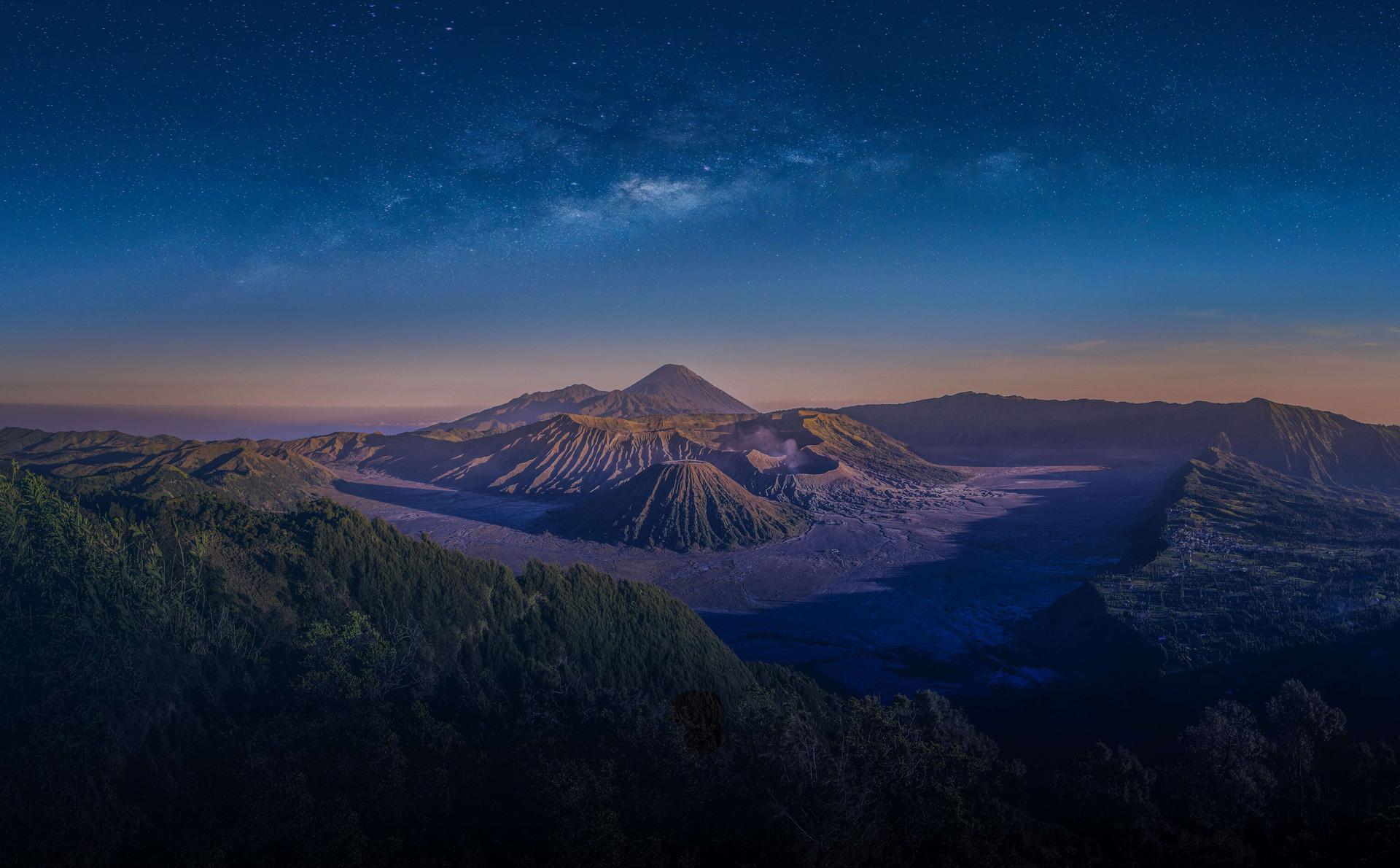
Best Time to Visit Reykjavik: Weather, Seasons & Travel Tips


The best time to visit Reykjavik depends on what you're chasing. June to August brings the easiest logistics — mild temperatures, near-endless daylight, and every road open — but May and September quietly offer the better trade-off: good weather, thinner crowds, lower prices, and (in September) the return of the Northern Lights. There isn't a single "perfect" month here; it's more a question of picking your priority.

Unlike tropical destinations with a wet season and a dry season, Reykjavik runs on a temperate maritime climate with four distinct seasons — there's no monsoon to plan around. Sitting at 64°N, the city should by rights be brutally cold, but the Atlantic's Gulf Stream keeps winters milder than the latitude suggests and summers cool rather than hot. The real variable that shapes a trip here isn't temperature — it's daylight. Reykjavik swings from around 4–5 hours of daylight in December to near round-the-clock sun in June, and that swing, more than rainfall or heat, is what actually decides when to go.
Discover flight with Traveloka
Tue, 22 Sep 2026

AirAsia Berhad (Malaysia)
Singapore (SIN) to Kuala Lumpur (KUL)
Start from S$80.39
Wed, 7 Oct 2026

Firefly
Johor Bahru (JHB) to Kuala Lumpur (KUL)
Start from S$25.82
Sat, 3 Oct 2026

Malaysia Airlines
Miri (MYY) to Kuala Lumpur (KUL)
Start from S$55.27
Best Time to Visit Reykjavik — Month by Month
Rated on a 4-star scale: more stars means better travel conditions
Month | Rating |
|---|---|
| January | ★★ Fair |
| February | ★★★ Good |
| March | ★★★ Good |
| April | ★★★ Good |
| May | ★★★★ Best |
| June | ★★★ Good |
| July | ★★★ Good |
| August | ★★★★ Best |
| September | ★★★★ Best |
| October | ★★★ Good |
| November | ★★ Fair |
| December | ★★ Fair |
What the ratings mean:
Rating | What it means |
|---|---|
| ★★★★ Best | Long daylight, comfortable temperatures, roads open, crowds and prices not yet at their peak. |
| ★★★ Good | Solid conditions overall, with either shorter daylight, higher crowds, or more variable weather to work around. |
| ★★ Fair | Short daylight and cold, sometimes icy conditions — manageable, but plans need more flexibility. |
| ★ Poor | Not applicable in Reykjavik's case — even its harshest months stay within "fair" territory, since there's no extreme monsoon or heat season here. |
Reykjavik's Weather Through the Year
Reykjavik's seasons move gradually rather than switching on and off. Winter (December–February) is cold and dark, with average temperatures hovering around 0–1°C and daytime highs rarely above 3°C. Snow is common from November through March, and daylight during December and January shrinks to just 4–5 hours — the single biggest thing for a Singapore traveller to plan around, more than the temperature itself.
Spring (March–May) is a gradual warm-up, with average temperatures climbing from around 1°C to 7°C as the days lengthen quickly. Summer (June–August) is Reykjavik's warmest and brightest stretch, averaging 9–12°C with highs around 14°C, and near-24-hour daylight from May through July thanks to the midnight sun. Autumn (September–November) reverses the pattern, cooling from around 8°C back down to 2°C as nights lengthen again.
Also Read: Best Places to Visit in Iceland
Rain falls fairly evenly across the year — roughly 155 rain days annually — but it's typically light and persistent rather than the heavy tropical downpours Singapore travellers may be used to. Think constant drizzle and wind rather than sudden monsoon bursts. Autumn and winter are the wettest stretches, though "wet" here means more frequent light rain, not more intense rain.
Month-by-Month Guide
Month | Rating | What to expect |
|---|---|---|
| January | Fair | Around 0–1°C, only about 4–5 hours of daylight, and icy roads that make self-driving riskier. Aurora chances are strong and prices are low once the New Year's crowd clears. |
| February | Good | Reykjavik's Winter Lights Festival (Vetrarhátíð) brightens the city with events and illuminated landmarks; aurora season is still strong, though days remain short and cold. |
| March | Good | Daylight lengthens noticeably and aurora sightings remain likely, but roads and weather can still be variable and icy — shoulder pricing applies. |
| April | Good | A mild shoulder month with fewer crowds; waterfalls run fuller from snowmelt, though the odd cold snap can still occur. |
| May | Best | Average temperatures climb to around 7°C, daylight stretches long, most highland and countryside roads reopen, and crowds and prices haven't yet hit peak-season levels. |
| June | Good | The midnight sun begins in earnest and temperatures average 9–12°C, but peak-season crowds and prices arrive alongside the good weather. |
| July | Good | Reykjavik's warmest month, with highs around 14°C (the city's record high of 25.7°C was set in July 2008) and near round-the-clock daylight — also the busiest and priciest month of the year. |
| August | Best | Still warm with long days; Reykjavik's biggest annual festival, Menningarnótt (Culture Night), takes place on 22 August 2026, coinciding with the Reykjavik Marathon weekend. Crowds and prices start easing toward month's end. |
| September | Best | Temperatures cool to around 8°C, autumn colours appear, and darker nights bring back Northern Lights season — with noticeably fewer tourists and lower prices than summer. |
| October | Good | Cooling quickly with rising aurora chances and good value for money, though weather becomes less predictable as the month goes on. |
| November | Fair | Iceland Airwaves, the city's flagship music festival, has historically taken place this month and remains a draw for visitors, but daylight shortens fast and weather turns wetter and colder. |
| December | Fair | Christmas markets and Reykjavik's famous New Year's Eve fireworks display draw visitors for the festive atmosphere, with a chance of aurora too — but daylight is only around 4–5 hours and roads can turn icy. |
Best Time to Visit by Travel Style
For the best weather: June to August delivers Reykjavik's warmest temperatures and longest daylight hours, with the midnight sun in full effect from May through July. The trade-off is that this is also peak tourist season, so book flights, hotels, and popular tours well ahead.
For lower prices and fewer crowds: May and September strike the best balance — good weather and daylight without peak-season demand. Travellers chasing rock-bottom prices can look to the deep off-season (January–March or November, outside the New Year's period), though that comes with the shortest daylight and least predictable weather.
For festivals and culture: Reykjavik Culture Night and the Reykjavik Marathon both land on 22 August 2026, filling the city centre with free concerts, art, and fireworks. The Winter Lights Festival's next confirmed edition runs 4–7 February 2027. Iceland Airwaves has traditionally been a November fixture (2026 dates to be confirmed closer to the time), and December brings Christmas markets alongside the city's celebrated New Year's Eve fireworks display.

Iceland

City Sightseeing Reykjavik Hop-on Hop-off Bus Tour

9.4/10
Europe
S$57
S$47
Peak vs. Shoulder vs. Off-Season
Season | Crowds | Prices | Weather |
|---|---|---|---|
| Peak (June–August) | Highest of the year | Highest flight and hotel rates | Warmest, near-24-hour daylight, all roads open |
| Shoulder (April–May, September–October) | Moderate and noticeably thinner than summer | Moderate, often meaningfully below peak | Mild with generous daylight; more variable and occasionally rainy |
| Off-season (November–March, excluding the New Year period) | Low, aside from the Christmas–New Year spike | Lowest of the year | Cold and dark with only a few hours of daylight; roads can be icy, but aurora season is at its best |
For travellers who can be flexible, May or September offers the smartest window — solid weather and daylight without summer's crowds or prices.
Practical Tips for Planning Your Trip
Flight time: There are no direct flights between Singapore and Reykjavik. The typical routing is via a major European hub — commonly London, Copenhagen, Amsterdam, Frankfurt, Paris, or Helsinki — flying Singapore to the hub before connecting onward to Keflavík International Airport (KEF) with Icelandair, SAS, or another European carrier. All told, the journey generally takes somewhere in the range of 16–20+ hours including the layover, so it's worth building in a buffer when planning connections.
Visa: Iceland is part of the Schengen Area, and Singapore passport holders can typically enter visa-free for short stays of up to 90 days within any 180-day period for tourism. It's worth checking the latest guidance from ICA Singapore or Iceland's official immigration authority before you travel, and keeping an eye on the EU's upcoming ETIAS pre-travel authorisation scheme — it isn't live yet and no confirmed start date has been set, but it's expected to eventually apply to visa-exempt travellers from Singapore.
What to pack: Layers are essential year-round — a windproof, waterproof outer shell, warm mid-layers, and sturdy waterproof footwear. Winter visitors should add thermal base layers and ice-grip attachments for boots. Pack swimwear no matter the season — Reykjavik's geothermal pools and hot springs are a year-round highlight.
Getting around: Renting a car is popular for day trips like the Golden Circle, though winter self-drive requires extra caution given ice and occasional road closures — guided day tours are a good lower-stress alternative in the colder months. Within Reykjavik itself, the compact city centre is easy to explore on foot.
Once your dates are set, it's easy to book flight tickets and book hotels together, then browse things to do to fill out your itinerary.
Frequently Asked Questions
What is the cheapest month to visit Reykjavik?
Generally, January through March or November tend to be the cheapest stretches, once the Christmas and New Year demand spike has passed — this is Iceland's deep off-season for flights and hotels. The trade-off is the shortest daylight of the year and a higher chance of weather-related disruptions.
How many days do you need in Reykjavik?
For the city itself plus a Golden Circle day trip, around 4–7 days is a commonly recommended range. Travellers wanting to circle the full Ring Road and see more of the country typically plan for 10–14 days instead.
Is December a good time to visit Reykjavik?
It depends on what you're after. December is excellent for Christmas markets, the city's famous New Year's Eve fireworks display, and a decent shot at the Northern Lights — but daylight is only around 4–5 hours, roads can be icy, and self-drive trips outside the city carry real risk. It suits travellers prioritising festive atmosphere over outdoor sightseeing.
Can you see the Northern Lights from Reykjavik itself, or do you need to leave the city?
Aurora season generally runs from around September to March, when nights are dark enough. City light pollution reduces visibility from the centre, so most operators recommend a short drive out of town or a dedicated aurora tour for the best chance — clear, dark skies matter more than how far you travel.
Discover flight with Traveloka
Mon, 14 Sep 2026

KLM
Singapore (SIN) to Bali / Denpasar (DPS)
Start from S$137.83
Tue, 15 Sep 2026

AirAsia Indonesia
Jakarta (CGK) to Bali / Denpasar (DPS)
Start from S$87.90
Fri, 9 Oct 2026

Batik Air Malaysia
Kuala Lumpur (KUL) to Bali / Denpasar (DPS)
Start from S$107.25
Ready to Plan Your Trip?
Whether you're chasing the midnight sun in June or the Northern Lights in September, timing your Reykjavik trip around daylight hours — not temperature — is the real key to getting it right. Lock in your flights and accommodation early for peak summer months, or lean into the shoulder seasons of May and September for a calmer, better-value trip with weather that's just as rewarding.
In This Article
Recommended Articles

Best Time to Visit Tallinn: Weather, Seasons & Travel Tips

Best Time to Visit Brussels: Weather, Seasons & Travel Tips

Best Time to Visit Cyprus: Weather, Seasons & Travel Tips

Best Time to Visit Santorini: Weather, Seasons & Travel Tips

Best Time to Visit Edinburgh: Weather, Seasons & Travel Tips

Best Time to Visit Warsaw: Weather, Seasons & Travel Tips
Explore the Best of Reykjavik

Reykjavik