Saha
Asia
/
South Korea
/
Saha
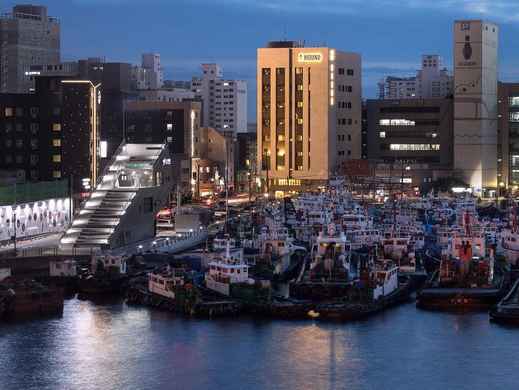
Nestled on the southern tip of the Korean Peninsula, Saha-gu is a coastal district of Busan, South Korea's second-largest city. The climate here follows four distinct seasons, with warm, humid summers reaching 30°C (86°F) and relatively mild winters rarely dropping below freezing. Spring brings cherry blossoms while autumn paints the surrounding mountains with vibrant reds and golds—making these shoulder seasons particularly magical for visitors.
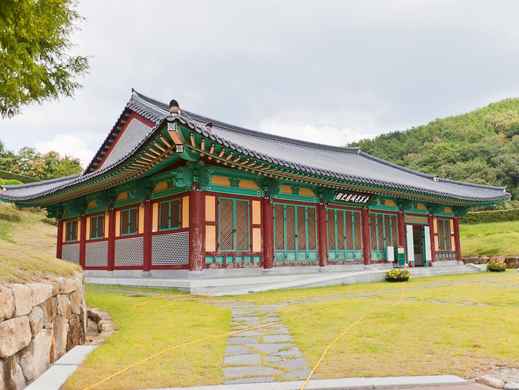
Saha embodies the fascinating blend of traditional Korean values and rapid modernization that characterizes much of contemporary South Korea. Unlike Seoul's frenetic pace, Saha offers a more relaxed coastal vibe where locals balance work ethic with quality of life. Residents are known for their warmth and Busan's distinctive dialect, slightly different from standard Korean, adds local color to interactions.
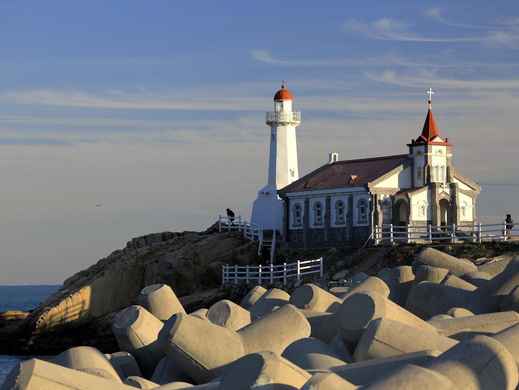
What makes Saha truly special is its striking geography—where mountains meet the sea in dramatic fashion. The district serves as a gateway to some of Busan's most impressive natural wonders while maintaining authentic local culture that hasn't been entirely reshaped by tourism. Here, you can experience a slice of everyday Korean life alongside spectacular landscapes that have earned Busan its nickname as ""Korea's San Francisco.""
Seafood dominates the local cuisine, with fresh catches served at vibrant fish markets where you can select live seafood and have it prepared on the spot. Don't miss dwaeji gukbap (pork soup with rice)—a Busan specialty—or the city's unique take on bibimbap featuring fresh coastal ingredients. Street food in Saha offers affordable delights like eomuk (fish cake skewers) served in warm broth—perfect for cooler evenings by the water.
For unforgettable experiences, head to Dadaepo Beach where the sunset views rival any in Korea, especially during the Dadaepo Sunset Fountain of Dreams shows in summer months. Nearby, Amisan Observatory provides panoramic views of Nakdong River meeting the sea—a breathtaking natural spectacle. For culture enthusiasts, Gamcheon Cultural Village's colorful hillside homes transformed into art spaces offer Instagram-worthy vistas and a glimpse into Busan's artistic renaissance.

Travel Tips for Saha
What you need to know before traveling here
Getting Around Saha
A guide to Saha's local transportation
Saha offers excellent cycling opportunities, especially along the Nakdong River with dedicated bike paths stretching for kilometers. Busan's public bike rental system, ""Dullegil,"" has stations throughout Saha where you can rent bicycles using the dedicated app or a transportation card. Rates are approximately 1,000 won per hour. The terrain can be hilly away from the coast, so check routes before planning longer rides. Helmets aren't provided but are recommended.
Practical Tips for Saha
Things to prepare and best way to visit
While knowing basic Korean phrases is helpful and appreciated, you can navigate Saha with English. Public transportation signage includes English, and many restaurants have picture menus. Younger Koreans often speak some English, especially in tourist areas. Download Papago or Naver Translate apps, which work better for Korean translation than Google Translate.
Saha and Busan in general have very low crime rates, making them extremely safe for solo travelers regardless of gender. Violent crime is rare, and lost items are frequently returned. The biggest safety concerns are typical urban issues like watching your step on busy streets. Many establishments stay open late, so nighttime activities feel secure with plenty of people around.
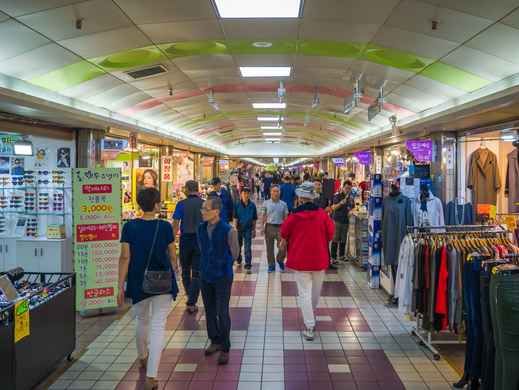
The South Korean won (₩) is the currency used. While major establishments accept international credit cards, smaller vendors, traditional markets, and some restaurants may be cash-only. ATMs are plentiful, but look for ones with ""Global"" or ""Foreign Cards"" signs, typically found at convenience stores like 7-Eleven or major banks.
Gimhae International Airport serves Busan with connections throughout Asia. From the airport, take the light rail to Sasang Station, then transfer to Metro Line 2 toward Hadan. For direct service, airport limousine buses run to major areas in Busan including Saha district. Taxis take approximately 30-40 minutes depending on traffic and cost around ₩25,000-30,000.
Kimbap shops offer filling seaweed rice rolls for around ₩2,500-4,000. Convenience stores like GS25 and CU sell surprisingly good ready-meals at reasonable prices. Traditional markets such as Dadaepo Market have food stalls with local specialties at fraction of restaurant prices. Also look for ""Backjeom"" (small soup restaurants) where hearty meals cost ₩6,000-8,000.
See All Practical Tips for Saha

Explore Saha
Create your itinerary with our top picks below


Hot Deal From Airlines


Travel Tips for Saha

Explore Saha