Best Time to Visit Osaka in 2026: Month-by-Month Guide for Malaysians


Going from Malaysia’s steady heat to Osaka’s four distinct seasons requires a bit of tactical planning. Seasonality in Osaka doesn't just dictate what clothes you pack. It directly controls peak crowds, flight prices, and seasonal street food menus.
This guide simplifies Osaka’s seasonal cycle so you can match your travel dates to your budget, climate preference, and ideal travel pace. We’ve also rounded up practical advice on flights from KL, visa guidelines for Malaysians including muslim-friendly restaurants, and well-located hotel picks.
Osaka's Seasons at a Glance
Here's a quick snapshot of average temperatures throughout the year, so you know what to pack no matter when you land.
Spring (March - May): Mild temperatures and blooming pink cherry blossoms make this the most popular, picturesque time to explore Osaka Castle.
Summer (June - August): The weather is hot, humid, and energetic, packed with massive festivals like the Tenjin Matsuri and spectacular fireworks over the rivers.
Autumn (September - November): Cool, crisp breezes pair with stunning red and gold fall foliage across the city's historic parks and surrounding mountains.
Winter (December - February): Chilly but rarely snowy days offer a cozy atmosphere, illuminated by spectacular citywide holiday light displays and steaming bowls of local ramen.
Discover Flights With Traveloka
Mon, 21 Sep 2026

Scoot
Kuala Lumpur (KUL) to Osaka (KIX)
Start from RM 741.07
Wed, 7 Oct 2026

Eastar Jet
Singapore (SIN) to Osaka (KIX)
Start from RM 726.76
Mon, 21 Sep 2026
Scoot
Penang (PEN) to Osaka (KIX)
Start from RM 767.66
Best Time to Visit Osaka
Here's how the four seasons stack up, plus what to expect for weather, activities, and cost.
Spring (March–May) – Best for Cherry Blossoms and Comfortable Sightseeing
Weather: Starts cool at 15°C in March and climbs to a pleasant 25°C by May. Rain is light, humidity is low, and layering works well since mornings and evenings stay cooler.
Best places and events to enjoy: Osaka Castle Park and Kema Sakuranomiya Park are the go-to cherry blossom spots, typically peaking in early April. The Osaka Castle Nishinomaru Garden lights up its blossoms at night too, which is a nice bonus if you're visiting after work-hour crowds. Late April into May also brings warmer, drier days that are ideal for walking tours around Dotonbori and day trips to Kyoto or Nara.
Cost: This is peak season, so flights and hotels near Namba or Umeda climb noticeably, especially around the first two weeks of April. Book at least 2–3 months ahead if you want cherry blossom season without cherry blossom prices.
Summer (June–August) – Best for Festivals and Nightlife
Weather: June brings the rainy season (tsuyu), with frequent showers and high humidity. July and August are hot and sticky, with daytime highs regularly hitting 31°C–34°C. Typhoons are also more likely from August onward, so keep an eye on forecasts closer to your travel dates.
Best places and events to enjoy: The Tenjin Matsuri in late July is one of Japan's biggest river festivals, with boat processions and a spectacular fireworks finale. Universal Studios Japan also runs summer night parades and water-themed events, which are a fun way to cool off. If the heat gets too much, Osaka's indoor attractions like the Umeda Sky Building or Osaka Aquarium Kaiyukan offer air-conditioned relief.
Cost: Mid-range overall, though hotel prices spike briefly during major festival weekends. Flights tend to be more affordable than spring or the December holidays, making this a decent option for budget-conscious travellers who don't mind the heat.
Autumn (September–November) – Best for Autumn Foliage and Food
Weather: September can still carry summer's humidity and occasional typhoon risk, but by October the air cools to a comfortable 24°C, dropping further to a crisp 18°C in November. This is widely considered one of the most pleasant stretches of the year to explore on foot.
Best places and events to enjoy: Momiji (autumn leaves) usually peaks from mid-November to early December, with Osaka Castle Park, Minoo Park, and the Nakanoshima riverside among the best viewing spots. It's also prime season for matsutake mushrooms, chestnuts, and seasonal kaiseki menus if you're a food traveller. Minoo Park in particular is famous for its maple-leaf tempura, a quirky local snack worth trying.
Cost: Generally lower than spring, except for a short bump around the peak foliage weeks in mid-to-late November. Overall a great value season if your dates are flexible.
Winter (December–February) – Best for Illuminations and Budget Travel
Weather: Cold and dry, with daytime highs of 10°C-13°C and nights dipping close to freezing in January, the coldest month. Snow is possible but usually light and doesn't disrupt travel plans.
Best places and events to enjoy: Osaka's winter illuminations, especially around Umeda and the Osaka Castle area, are genuinely photogenic and run through December. If your dates stretch into early February, the Kansai region also has decent access to onsen towns for a hot-spring side trip. Shopping and indoor dining are naturally emphasised this time of year, which suits travellers who prefer a slower pace.
Cost: The cheapest season overall, apart from a spike around Christmas and New Year. January and February (excluding Chinese New Year dates) tend to offer the best flight and hotel deals of the year.

Japan

Osaka Dotonbori River Cruise

9.6/10
Osaka
RM 53
Best Time to Visit Osaka (If You Only Visit Once):
If you can only make one trip, aim for late March to mid-April for cherry blossoms or late October to mid-November for autumn foliage. Both windows offer comfortable walking weather, manageable humidity, and Osaka at its most photogenic, just be sure to book flights and hotels early, since these are the city's busiest periods.
Read More: 8 Must Visit Themed Cafes in Osaka, Japan
Flight from Malaysia to Osaka
Getting to Osaka from Malaysia is straightforward, with several nonstop options landing at Kansai International Airport (KIX).
Flight Duration: Approximately 6 hours 25–30 minutes nonstop from Kuala Lumpur International Airport (KUL) to Kansai International Airport (KIX).
Airlines Serving the Route: Malaysia Airlines, AirAsia X, and Batik Air currently operate nonstop KUL–KIX flights. Other carriers such as Qatar Airways, Cathay Pacific, Japan Airlines, and Singapore Airlines offer one-stop connections via their respective hubs if you're chasing a cheaper fare or a different departure time.
Flight Frequency: Nonstop flights run close to daily across the main carriers, with total weekly seat capacity on the route fluctuating with the season, generally higher during the April and December–January peak travel periods.
Visa and Entry Requirements to Osaka for Malaysians
Malaysian nationals holding a biometric passport compliant with ICAO standards do not need a visa to enter Japan for short-term stays of up to 90 days, whether the purpose is tourism, transit, business meetings, or visiting friends and relatives. This visa-free arrangement has been in place for Malaysian passport holders since 1982, so it's a well-established and reliable route into the country.
Requirements: You need a biometric Malaysian passport with at least six months of validity remaining beyond your intended stay, proof of return/onward flight, and a confirmed hotel address in Osaka. While paper arrival cards are available on your flight, completing digital immigration and customs forms on the official Visit Japan Web portal beforehand is strongly recommended to speed up airport clearance.
Halal Food in Osaka
Most halal-friendly options cluster around Dotonbori, Namba, and Shinsaibashi, Osaka's main tourist and entertainment strip, so they're easy to fold into a normal sightseeing day.
You can check Chibo Diversity (7F, Dotonbori Building, Dotonbori) for halal-certified okonomiyaki and teppanyaki, Ramen Honolu Namba for Osaka's original halal ramen, Ali's Kitchen near Shinsaibashi Station for Michelin-recognised Pakistani and Arabic dishes, and Hafez (a short walk from the Dotonbori River) for Iranian, Turkish, and Middle Eastern fare.
For a full day of sightseeing, several of these spots also have dedicated prayer rooms, which is handy if you're planning to stay in the Dotonbori-Namba area for most of your trip.
Best Hotels in Osaka
Whichever season you choose, where you stay matters just as much as when you go. Here are three picks across different budgets, all bookable through Traveloka Malaysia.
1. Hotel Nikko Osaka

A long-standing favourite for good reason. Hotel Nikko Osaka sits directly above Shinsaibashi Station, putting you minutes from Dotonbori, Shinsaibashi shopping streets, and Namba's nightlife. Expect spacious rooms, multiple in-house dining options, and reliably attentive service. Room rates: RM 343 – RM 2,492 per night.
Japan

Hotel Nikko Osaka
9.1/10
•

Shinsaibashi
RM 405
2. Sotetsu Grand Fresa Osaka - Namba

A dependable mid-range business hotel just steps from Nihombashi Station, within walking distance of Kuromon Market and Dotonbori. Rooms in Sotetsu Grand Fresa Osaka - Namba are compact but well-kept, and the hotel's buffet breakfast featuring Osaka specialties is a genuine highlight for the price point. Room rates: RM 176 – RM 250 per night.
Japan

Sotetsu Grand Fresa Osaka - Namba
8.6/10
•
Osaka
RM 218
3. GRAND HOSTEL LDK Osaka Shinsaibashi
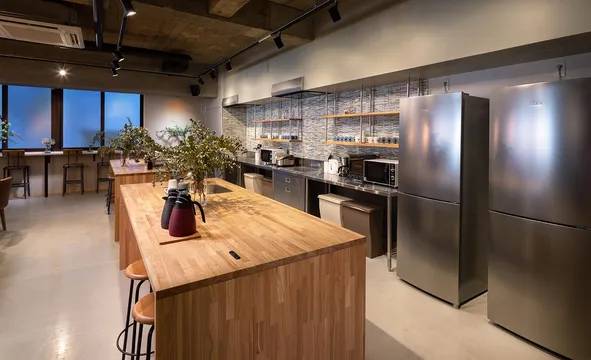
GRAND HOSTEL LDK Osaka Shinsaibashi is a well-loved hostel just a short walk from Dotonbori and Kuromon Ichiba Market, offering clean dorm beds and private Japanese-style rooms, plus a shared kitchen and lounge on the second floor for meeting fellow travellers. A daily English breakfast and on-site bar round out the experience, making it a great value base for solo travellers or small groups. Room rates: RM 92 – RM 188 per night.
Japan

GRAND HOSTEL LDK Osaka Shinsaibashi
9.0/10
•
Osaka
RM 87
*Please note that all prices mentioned in this article are accurate at the time of publication. Prices are subject to change at any time depending on the season, availability, and the hotel's policies.
Find the Best Time to Visit Osaka with Traveloka
Book a flight to Osaka and arrange your hotel, car rental, and activity with Traveloka. Enjoy special deals, hotel discounts of up to 25%, free hotel cancellation, and easy flight rescheduling. Terms and conditions apply.
Traveloka is #1 All-in-one Travel App in SEA and #1 in cumulative downloads (2014 to 2025) among Travel Booking services apps (Source: SensorTower | All-in-one Travel App), with over 140M app downloads across 9 countries in Indonesia, Vietnam, Thailand, Malaysia, Singapore, Philippines, Japan, South Korea, and Australia. Book flights, hotels, and activities with 300+ Airline partners, Best Price Guarantee, 24/7 live agent support, and access to 2M+ hotels, over 2K Car Rentals & Airport Transfer providers in more than 50 countries, and 90K+ activities in one app. Download the Traveloka app on Google Play and the App Store.

In This Article


Recommended Articles

Kuromon Market Osaka: The Ultimate Guide to Osaka's Famous Food Market

Things to Do in Osaka: 25 Must-Visit Attractions and Experiences

8 Best Themed Cafes in Osaka You Absolutely Must Visit in 2026

Monkey Zodiac in 2025: Predictions in the Year of the Snake

Kamala Beach Phuket: A Complete Guide to a Relaxing Tropical Escape

12 Best Things to Do in Hokkaido in Winter 2026