


ตั๋วเครื่องบินราคาถูกไป เวียดนาม
สิ่งที่ควรรู้ก่อนเดินทางไป เวียดนาม
ระยะเวลาบินสั้นที่สุด
1 ชั่วโมง, 20 นาที
ข้อเสนอเที่ยวบินจากประเทศไทยไปยังจุดหมายปลายทางยอดนิยม
ฮานอย
ดานัง
โฮจิมินห์
เนียเทรียง
ฟูก๊วก
เว้
ส่วนลดเที่ยวบิน
รหัส:TRAVELOKA
ตารางเที่ยวบินไปยัง เวียดนาม
สายการบิน | เวลาออกเดินทาง | เวลาถึง | สนามบินต้นทาง | สนามบินปลายทาง | |
|---|---|---|---|---|---|
 ไทยแอร์เอเชีย | 12:00 | 13:20 | กรุงเทพ (DMK) | ฟูก๊วก (PQC) | จองเที่ยวบิน |
ไทยแอร์เอเชีย | 13:15 | 14:50 | เชียงใหม่ (CNX) | ฮานอย (HAN) | จองเที่ยวบิน |
 ไทย เวียตเจ็ท | 14:35 | 15:55 | กรุงเทพ (BKK) | ฟูก๊วก (PQC) | จองเที่ยวบิน |
ไทยแอร์เอเชีย | 16:00 | 17:40 | กรุงเทพ (DMK) | ดานัง (DAD) | จองเที่ยวบิน |
 การบินไทย | 17:50 | 19:40 | กรุงเทพ (BKK) | ฮานอย (HAN) | จองเที่ยวบิน |
ไทยแอร์เอเชีย | 18:25 | 20:20 | กรุงเทพ (DMK) | ฮานอย (HAN) | จองเที่ยวบิน |
ไทยแอร์เอเชีย | 19:25 | 21:05 | กรุงเทพ (DMK) | โฮจิมินห์ (SGN) | จองเที่ยวบิน |
 Vietnam Airlines | 19:30 | 21:15 | กรุงเทพ (BKK) | โฮจิมินห์ (SGN) | จองเที่ยวบิน |
 Emirates | 20:10 | 21:50 | กรุงเทพ (BKK) | ดานัง (DAD) | จองเที่ยวบิน |
Vietnam Airlines | 21:00 | 23:00 | กรุงเทพ (BKK) | โฮจิมินห์ (SGN) | จองเที่ยวบิน |
ค้นหาราคาถูกที่สุดรายเดือนเพื่อบินไปยัง เวียดนาม
สายการบินตรงไปยัง เวียดนาม







































ตั๋วเครื่องบินไปเวียดนาม
เวียดนามเป็นหนึ่งในจุดหมายปลายทางที่คนไทยนิยมเดินทางไปมากที่สุด ด้วยระยะทางใกล้ วัฒนธรรมที่มีเสน่ห์เฉพาะตัว และเที่ยวบินตรงจากหลายสนามบินในไทยที่ทำให้การเดินทางสะดวกกว่าประเทศอื่นในภูมิภาคเดียวกัน ไม่ว่าจะเป็นโฮจิมินห์ซิตีที่คึกคักด้วยชีวิตคนเมือง ฮานอยที่เต็มไปด้วยสถาปัตยกรรมเก่าแก่ ดานังที่มีชายหาดสวยงาม หรือฟูก๊วกเกาะพักผ่อนสุดฮิต บทความนี้รวบรวมข้อมูลเที่ยวบิน ราคา สายการบิน สนามบิน เอกสารเดินทาง และเคล็ดลับที่เป็นประโยชน์สำหรับผู้ที่กำลังวางแผนบินจากไทยไปเวียดนาม
เที่ยวบินจากไทยไปเวียดนาม
เวียดนามเป็นหนึ่งในไม่กี่ประเทศที่มีเที่ยวบินตรงจากไทยจำนวนมาก เนื่องจากเป็นประเทศเพื่อนบ้านในอาเซียนที่มีความสัมพันธ์ทางการค้าและการท่องเที่ยวแน่นแฟ้น เส้นทางที่มีเที่ยวบินตรงหนาแน่นที่สุดคือกรุงเทพฯ ทั้งจากสนามบินสุวรรณภูมิ (BKK) และดอนเมือง (DMK) ไปยังโฮจิมินห์ซิตี (สนามบินเตินเซินเญิ้ต) และฮานอย (สนามบินโหน่ยบ่าย) โดยมีเที่ยวบินหลายเที่ยวต่อวัน นอกจากนี้ยังมีเที่ยวบินตรงไปดานังและฟูก๊วกในบางช่วงเวลา ทำให้ผู้โดยสารจากไทยไม่จำเป็นต้องต่อเครื่องเพื่อเดินทางไปเวียดนาม ซึ่งต่างจากปลายทางไกลอื่น ๆ ในทวีปอื่น
เส้นทางบินตรงและความถี่ของเที่ยวบิน
เส้นทางกรุงเทพฯ-โฮจิมินห์ซิตีเป็นเส้นทางที่มีความถี่สูงที่สุดระหว่างสองประเทศ โดยมีเที่ยวบินตรงรวมกันหลายสิบเที่ยวต่อสัปดาห์จากทั้งสายการบินไทยและเวียดนาม ใช้เวลาบินประมาณ 1 ชั่วโมง 30 นาทีถึง 1 ชั่วโมง 45 นาทีเท่านั้น ส่วนเส้นทางกรุงเทพฯ-ฮานอยก็มีเที่ยวบินตรงทุกวันเช่นกัน แม้จะน้อยกว่าเส้นทางโฮจิมินห์ซิตีเล็กน้อย นักท่องเที่ยวที่ต้องการไปดานังหรือฟูก๊วกสามารถเลือกเที่ยวบินตรงตามฤดูกาล หรือต่อเครื่องภายในเวียดนามจากโฮจิมินห์ซิตีหรือฮานอยก็ได้ เนื่องจากเครือข่ายการบินภายในประเทศของเวียดนามครอบคลุมเมืองท่องเที่ยวหลักเกือบทั้งหมด
ราคาตั๋วเครื่องบินไปเวียดนาม
ด้วยระยะทางที่ใกล้และมีเที่ยวบินตรงจำนวนมาก ราคาตั๋วเครื่องบินไปเวียดนามจากไทยจึงอยู่ในระดับที่เข้าถึงได้ง่ายเมื่อเทียบกับจุดหมายปลายทางไกลอื่น ๆ ราคาจะผันแปรตามช่วงเวลาจอง สายการบินที่เลือก และความต้องการเดินทางในแต่ละช่วง การจองล่วงหน้าหลายสัปดาห์มักช่วยให้ได้ตัวเลือกที่หลากหลายทั้งเรื่องเวลาบินและที่นั่ง ผู้ที่ต้องการติดตามความเคลื่อนไหวของราคาสามารถเปิดใช้งาน Price Alert บนแอปพลิเคชัน Traveloka เพื่อรับการแจ้งเตือนเมื่อราคาตั๋วในเส้นทางที่สนใจเปลี่ยนแปลง
ราคาตั๋วเครื่องบินไปเวียดนามในแต่ละช่วงเวลา
ช่วงเทศกาลปีใหม่ สงกรานต์ และวันหยุดยาวของไทยมักเป็นช่วงที่คนไทยเดินทางไปเวียดนามหนาแน่น ทำให้ที่นั่งเต็มเร็วและราคาสูงขึ้นตามความต้องการ ในทางกลับกัน ช่วงกลางสัปดาห์และเดือนที่ไม่มีวันหยุดยาวมักมีที่นั่งว่างมากกว่าและราคาย่อมเยากว่า เทศกาลตรุษเวียดนามหรือเต๊ด ซึ่งมักตรงกับช่วงเดียวกับตรุษจีน ก็เป็นอีกช่วงที่ความต้องการเดินทางในประเทศเวียดนามเองพุ่งสูง ซึ่งอาจส่งผลต่อราคาตั๋วเที่ยวบินระหว่างประเทศบางเส้นทางเช่นกัน การเปิดใช้ Price Alert และเปรียบเทียบวันเดินทางที่ยืดหยุ่นจะช่วยให้วางแผนงบประมาณได้ดีขึ้น
เวลาบินและระยะเวลาเดินทางไปเวียดนาม
เที่ยวบินตรงจากกรุงเทพฯ ไปโฮจิมินห์ซิตีใช้เวลาบินประมาณ 1 ชั่วโมง 35 นาที ส่วนเส้นทางกรุงเทพฯ-ฮานอยใช้เวลาใกล้เคียงกันที่ประมาณ 1 ชั่วโมง 45 นาที ถือเป็นหนึ่งในเที่ยวบินระยะสั้นที่สุดจากไทยไปยังประเทศอื่น เหมาะสำหรับทริปสั้น ๆ ในวันหยุดสุดสัปดาห์ เที่ยวบินส่วนใหญ่ให้บริการทั้งช่วงเช้าและช่วงเย็น ทำให้สามารถเลือกเวลาบินที่สอดคล้องกับตารางงานได้ง่าย และหากต้องต่อเครื่องไปเมืองอื่นในเวียดนามที่ไม่มีเที่ยวบินตรงจากไทย ควรเผื่อเวลาต่อเครื่องอย่างน้อยหนึ่งชั่วโมงครึ่งเพื่อความปลอดภัย
สายการบินที่บินไปเวียดนาม
Vietjet Air (VJ)เป็นหนึ่งในสายการบินที่มีเที่ยวบินตรงจากกรุงเทพฯ ไปทั้งโฮจิมินห์ซิตีและฮานอยมากที่สุด ในขณะที่ไทยเวียตเจ็ท แอร์ (VZ)ให้บริการเส้นทางเชื่อมระหว่างสองประเทศในฐานะสายการบินร่วมทุนไทย-เวียดนาม Vietnam Airlines (VN)สายการบินแห่งชาติของเวียดนามก็บินตรงจากกรุงเทพฯ เช่นกัน พร้อมบริการเต็มรูปแบบ ส่วนไทยแอร์เอเชีย (FD)และบางกอกแอร์เวย์ส (PG)เป็นอีกสองตัวเลือกที่ให้บริการในบางเส้นทางหรือบางช่วงเวลา ผู้โดยสารสามารถเลือกสายการบินตามงบประมาณ ตารางเวลา และรูปแบบบริการที่ต้องการ เนื่องจากมีตัวเลือกให้เปรียบเทียบหลากหลาย
สนามบินหลักในเวียดนาม
เวียดนามมีสนามบินนานาชาติหลักสองแห่งที่รองรับเที่ยวบินจากไทยเป็นจำนวนมาก ทั้งสองแห่งอยู่ในเมืองใหญ่ที่เป็นศูนย์กลางเศรษฐกิจและการท่องเที่ยว
สนามบินเตินเซินเญิ้ต (SGN)
สนามบินนานาชาติเตินเซินเญิ้ตตั้งอยู่ในโฮจิมินห์ซิตี ห่างจากใจกลางเมืองเพียงประมาณ 7 กิโลเมตร ถือเป็นสนามบินที่มีผู้โดยสารหนาแน่นที่สุดของเวียดนาม เดินทางเข้าเมืองได้สะดวกด้วยแท็กซี่ รถโดยสารสาธารณะ และแอปพลิเคชันเรียกรถ เหมาะสำหรับผู้ที่ต้องการเริ่มทริปสำรวจย่านธุรกิจและอาหารสตรีทฟู้ดของโฮจิมินห์ซิตี
สนามบินโหน่ยบ่าย (HAN)
สนามบินนานาชาติโหน่ยบ่ายตั้งอยู่ทางเหนือของฮานอย ห่างจากตัวเมืองประมาณ 25 กิโลเมตร เป็นประตูสู่ภาคเหนือของเวียดนามและจุดเริ่มต้นสำหรับผู้ที่ต้องการไปเที่ยวอ่าวฮาลอง ซาปา หรือย่านเมืองเก่าฮานอย มีรถบัสสนามบิน แท็กซี่ และรถส่วนตัวให้บริการเข้าเมือง
เอกสารและวีซ่าที่ต้องใช้เดินทางไปเวียดนาม
ผู้ถือหนังสือเดินทางไทยได้รับการยกเว้นวีซ่าเมื่อเดินทางไปเวียดนามเพื่อการท่องเที่ยวหรือธุรกิจระยะสั้น โดยสามารถพำนักได้สูงสุด 30 วันโดยไม่ต้องขอวีซ่าล่วงหน้า ตามข้อตกลงทวิภาคีระหว่างไทยและเวียดนาม เพียงมีหนังสือเดินทางที่มีอายุใช้งานเหลือไม่น้อยกว่า 6 เดือนนับจากวันเดินทาง และมีตั๋วเดินทางไป-กลับหรือหลักฐานการเดินทางต่อ หากต้องการพำนักนานกว่า 30 วัน สามารถยื่นขอวีซ่าประเภทอื่นเพิ่มเติมได้ที่สถานเอกอัครราชทูตเวียดนามในไทยหรือผ่านระบบอีวีซ่า เนื่องจากกฎระเบียบอาจมีการปรับเปลี่ยน ควรตรวจสอบข้อมูลล่าสุดจากสถานเอกอัครราชทูตเวียดนามก่อนเดินทางทุกครั้ง
เมืองและสถานที่ท่องเที่ยวสำคัญในเวียดนาม
โฮจิมินห์ซิตีเป็นเมืองเศรษฐกิจที่คึกคักด้วยตลาดเบนถัน ถนนคนเดินเหงียนเว้ และร้านกาแฟหลากสไตล์ ฮานอยเมืองหลวงเก่าแก่โดดเด่นด้วยย่านโอลด์ควอเตอร์ ทะเลสาบฮว่านเกี๋ยม และสถาปัตยกรรมยุคอาณานิคมฝรั่งเศส ดานังเป็นเมืองชายทะเลที่กำลังเติบโตพร้อมสะพานมังกรอันโดดเด่นและหาดหมีเคว่ ใกล้กับเมืองโบราณฮอยอันที่ขึ้นทะเบียนเป็นมรดกโลก ส่วนฟูก๊วกเป็นเกาะพักผ่อนทางใต้ที่มีชายหาดสวยงามและรีสอร์ตระดับห้าดาว นอกจากนี้อ่าวฮาลองทางเหนือก็เป็นหนึ่งในจุดหมายที่ห้ามพลาดด้วยทัศนียภาพภูเขาหินปูนกลางทะเล
ที่พักในเวียดนาม
โฮจิมินห์ซิตีมีตัวเลือกที่พักหลากหลายตั้งแต่โฮสเทลราคาประหยัดในย่านฝ่ามหงูลาว ไปจนถึงโรงแรมระดับห้าดาวใจกลางเขต 1 ฮานอยมีที่พักกระจุกตัวอยู่ในย่านโอลด์ควอเตอร์ที่เดินทางสะดวกและใกล้แหล่งท่องเที่ยว ดานังและฮอยอันมีรีสอร์ตริมชายหาดที่เหมาะกับทริปพักผ่อน ส่วนฟูก๊วกโดดเด่นด้วยรีสอร์ตหรูริมทะเลที่เหมาะสำหรับฮันนีมูนหรือทริปครอบครัว การจองที่พักล่วงหน้าในช่วงเทศกาลจะช่วยให้ได้ราคาที่คุ้มค่ากว่า
ชั้นโดยสารและบริการบนเครื่องบิน
เนื่องจากเที่ยวบินไทย-เวียดนามเป็นเส้นทางระยะสั้น สายการบินส่วนใหญ่จึงให้บริการเฉพาะชั้นประหยัด ในขณะที่สายการบินฟูลเซอร์วิสอย่าง Vietnam Airlines และบางกอกแอร์เวย์สมีชั้นธุรกิจให้เลือกในบางเที่ยวบิน ผู้โดยสารที่ต้องการความสะดวกสบายเพิ่มขึ้นสามารถเลือกที่นั่งริมหน้าต่างหรือโหมดชั้นธุรกิจได้ตามความต้องการและงบประมาณ แม้จะเป็นเที่ยวบินสั้นแต่หลายสายการบินยังคงมีบริการอาหารและเครื่องดื่มบนเครื่องให้เลือก
เคล็ดลับการเดินทางไปเวียดนาม
สภาพอากาศเวียดนามแตกต่างกันตามภูมิภาค ภาคเหนืออย่างฮานอยมีฤดูหนาวที่เย็นสบายราวเดือนพฤศจิกายนถึงมีนาคม ในขณะที่ภาคใต้อย่างโฮจิมินห์ซิตีและฟูก๊วกมีอากาศอบอุ่นตลอดปีแต่มีฝนตกช่วงกลางปี สกุลเงินท้องถิ่นคือด่งเวียดนาม ร้านค้าและร้านอาหารส่วนใหญ่ในเมืองใหญ่รับบัตรเครดิตและการชำระเงินผ่านแอปพลิเคชัน แต่ควรพกเงินสดสำรองไว้สำหรับตลาดหรือร้านค้าขนาดเล็ก เวลาท้องถิ่นของเวียดนามตรงกับเวลาประเทศไทย ไม่มีความแตกต่างของเขตเวลา ทำให้ไม่ต้องปรับตัวเรื่องเจ็ตแล็ก
ทำไมต้องจองตั๋วเครื่องบินไปเวียดนามกับ Traveloka
Traveloka ช่วยให้คุณค้นหาและเปรียบเทียบเที่ยวบินตรงจากกรุงเทพฯ ไปเวียดนามได้อย่างสะดวก พร้อมฟีเจอร์ Price Alert ที่ช่วยติดตามความเคลื่อนไหวของราคาในเส้นทางที่คุณสนใจ หากแผนการเดินทางเปลี่ยนแปลง บริการ Easy Reschedule ก็ช่วยให้ปรับเปลี่ยนเที่ยวบินได้ตามเงื่อนไขของสายการบิน นอกจากนี้ยังมีช่องทางการชำระเงินที่หลากหลายให้เลือกใช้ และทีมบริการลูกค้าพร้อมให้ความช่วยเหลือตลอด 24 ชั่วโมงในทุกขั้นตอนการจอง สำหรับผู้ที่สนใจบินกับ บางกอกแอร์เวย์ส (PG) ในเส้นทางนี้ Traveloka ก็ช่วยให้ตรวจสอบราคาและที่นั่งได้สะดวกในหน้าเดียว


คำถามที่พบบ่อย
สำหรับเส้นทางบินตรงจากกรุงเทพฯ ไปเวียดนามที่มีเที่ยวบินจำนวนมาก แนะนำให้จองล่วงหน้าประมาณ 3-6 สัปดาห์เพื่อให้ได้ราคาที่คุ้มค่า หากเดินทางช่วงเทศกาลเต็ด (ตรุษเวียดนาม) วันหยุดยาว หรือช่วงปิดเทอม ควรจองล่วงหน้า 2-3 เดือนเพราะที่นั่งเต็มเร็วและราคาปรับสูงขึ้น การจองเช้าตรู่หรือดึกมักได้ราคาประหยัดกว่าเที่ยวบินกลางวัน
ช่วงนอกฤดูท่องเที่ยว เช่น เดือนพฤษภาคมถึงต้นมิถุนายน และเดือนกันยายนถึงพฤศจิกายน มักมีราคาตั๋วที่ดีกว่าเพราะความต้องการเดินทางลดลง ส่วนช่วงเทศกาลเต็ด สงกรานต์ และวันหยุดยาวปลายปีจะเป็นช่วงราคาสูงสุด หากยืดหยุ่นวันเดินทางได้ ลองเปรียบเทียบราคาในวันธรรมดาเทียบกับสุดสัปดาห์เพื่อหาดีลที่ประหยัดกว่า
มีเที่ยวบินตรงจำนวนมากจากกรุงเทพฯ ไปเมืองหลักของเวียดนาม โดยสายการบินที่ให้บริการ ได้แก่ ไทยแอร์เอเชีย ไทยเวียตเจ็ท เวียตเจ็ทแอร์ และเวียดนามแอร์ไลน์ เส้นทางกรุงเทพฯ-โฮจิมินห์ใช้เวลาบินตรงประมาณ 1 ชั่วโมง 30 นาทีเท่านั้น ทำให้เป็นจุดหมายระยะใกล้ที่เดินทางสะดวก มีเที่ยวบินให้เลือกหลายรอบต่อวันทั้งจากสุวรรณภูมิและดอนเมือง
ผู้ถือหนังสือเดินทางไทยสามารถเข้าเวียดนามได้โดยไม่ต้องขอวีซ่า พำนักได้สูงสุด 30 วันภายใต้ความตกลงทวิภาคีในกรอบอาเซียน หากต้องการพำนักนานกว่านั้น สามารถยื่นขออีวีซ่า (e-Visa) ทางออนไลน์ก่อนเดินทาง ซึ่งรองรับการพำนักได้นานขึ้น ควรตรวจสอบเงื่อนไขล่าสุดกับสถานทูตเวียดนามหรือหน่วยงานตรวจคนเข้าเมืองก่อนเดินทางทุกครั้ง
เอกสารหลักคือหนังสือเดินทางไทยที่มีอายุเหลืออย่างน้อย 6 เดือนนับจากวันเดินทางถึง และมีหน้าว่างสำหรับประทับตราอย่างน้อย 1-2 หน้า แนะนำให้เตรียมหลักฐานตั๋วเครื่องบินขากลับหรือตั๋วเดินทางต่อ ที่พักที่จองไว้ และอาจมีเจ้าหน้าที่ขอดูหลักฐานการเงินสำหรับการพำนัก การมีประกันการเดินทางจะช่วยให้อุ่นใจมากขึ้น
เส้นทางบินตรงกรุงเทพฯ-โฮจิมินห์ใช้เวลาประมาณ 1 ชั่วโมง 30 นาที ส่วนกรุงเทพฯ-ฮานอยใช้เวลาใกล้เคียงกันราว 1 ชั่วโมง 45 นาที ถือเป็นจุดหมายระยะใกล้ที่เดินทางได้สบายภายในวันเดียว หากเลือกเที่ยวบินที่มีจุดแวะพักจะใช้เวลารวมนานขึ้นตามเมืองที่ต่อเครื่อง
เวียดนามมีสภาพอากาศแตกต่างกันตามภูมิภาค โดยทั่วไปช่วงเดือนพฤศจิกายนถึงเมษายนอากาศแห้งและเย็นสบายเหมาะกับการเที่ยวภาคเหนืออย่างฮานอยและซาปา ส่วนภาคกลางและภาคใต้เที่ยวได้เกือบตลอดปี ควรหลีกเลี่ยงช่วงฤดูฝนและพายุไต้ฝุ่นกลางปีถึงปลายปีในบางพื้นที่ชายฝั่ง ตรวจสอบพยากรณ์อากาศของเมืองปลายทางก่อนวางแผน
เงื่อนไขการเปลี่ยนแปลงหรือยกเลิกขึ้นอยู่กับประเภทบัตรโดยสารและนโยบายของแต่ละสายการบิน บัตรโดยสารแบบยืดหยุ่นมักเปลี่ยนวันเดินทางได้ง่ายกว่าแต่มีราคาสูงกว่า แนะนำให้อ่านเงื่อนไขตั๋วก่อนชำระเงิน หากจองผ่าน Traveloka สามารถจัดการการจองและติดต่อฝ่ายบริการลูกค้าได้ตลอด 24 ชั่วโมงผ่านแอปพลิเคชันหรือเว็บไซต์ โดยเฉพาะเที่ยวบินที่ใช้บริการไทยแอร์เอเชียควรตรวจสอบเงื่อนไขการเปลี่ยนแปลงของสายการบินนี้ให้ครบถ้วนก่อนตัดสินใจ
สายการบินพันธมิตร


































ช่องทางการชำระเงินยอดนิยม







สำหรับทุกตัวเลือกการเดินทางของคุณ, เราพร้อมดูแลคุณเสมอ
เส้นทางยอดนิยม
จุดหมายปลายทางยอดนิยม
สายการบินและจุดหมายปลายทางยอดนิยม
สนามบินยอดนิยม
สายการบินยอดนิยม



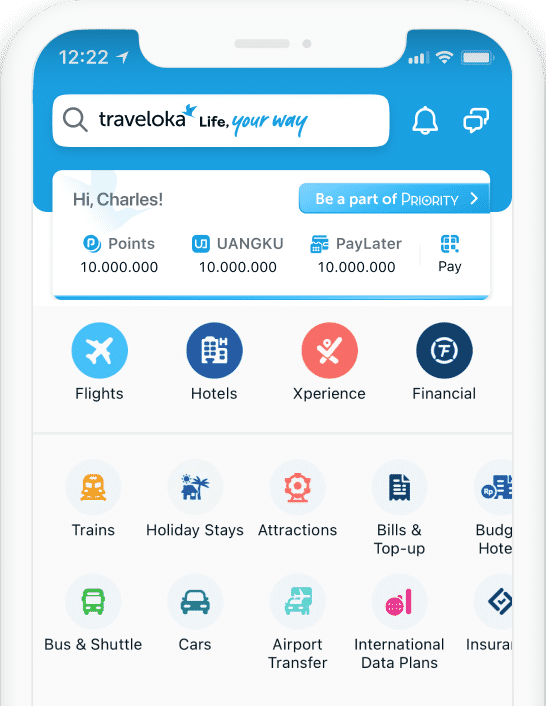
ให้ทริปในฝันของคุณอยู่ใกล้แค่เอื้อม ดาวน์โหลดแอป


