Chengdu Food Guide: 10 Iconic Dishes Every Visitor Must Try


Chengdu holds a title that very few cities in the world can claim: UNESCO City of Gastronomy. As the beating heart of Sichuan cuisine, this southwestern Chinese metropolis has spent centuries perfecting a culinary identity built on bold heat, deep umami, and the signature mala sensation — that addictive combination of spice and mouth-numbing tingle that keeps diners coming back for more. For Malaysians already familiar with bold flavours, Chengdu feels both exciting and surprisingly familiar. The city rewards every curious appetite, whether you are sitting at a long communal hotpot table or snacking your way down a lantern-lit alley.

Planning a food trip to Chengdu is easier than ever, with flights available from Kuala Lumpur and Penang through major carriers. Once you land, the city's cuisine spreads across neighbourhood eateries, bustling wet markets, and sleek modern restaurants — all within easy reach via airport transfer from Chengdu Tianfu International Airport. This guide covers the ten dishes that define Chengdu's food culture, where to find them, and what makes each one unmissable.

1. Sichuan Hotpot
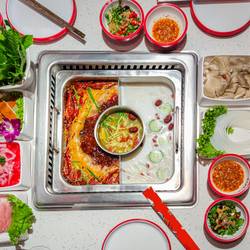
Sichuan hotpot — known in Chinese as 四川火锅 — is the undisputed centrepiece of Chengdu dining, and experiencing it is essentially a rite of passage for any visitor. A pot of intensely spiced broth, fired with dried red chillies, Sichuan peppercorns, and a rich blend of fermented pastes, sits bubbling at the centre of the table while diners cook their own selection of meats, vegetables, silken tofu, and offal. The experience is as social as it is flavourful, designed for groups who want to linger over a long, convivial meal. What distinguishes Chengdu hotpot from other regional versions is the depth of the base — built over hours with tallow, spices, and aromatics — and the individually tailored dipping sauces each diner assembles from a condiment bar.
2. Mapo Tofu
Mapo tofu (麻婆豆腐) is one of Sichuan cuisine's most globally recognised exports, but tasting it in Chengdu — where it originated — is an entirely different proposition from the versions served elsewhere. Silken tofu cubes are braised in a glossy, brick-red sauce made from fermented bean paste, minced pork, garlic, and a generous quantity of Sichuan peppercorn, producing the hallmark mala balance of numbing heat and deep savouriness. The texture contrast between the yielding tofu and the aromatic sauce is what makes the dish so compelling. Served piping hot over steamed rice, a well-made mapo tofu from a Chengdu kitchen will recalibrate your understanding of the dish entirely.
3. Dan Dan Noodles
Dan dan noodles (担担面) take their name from the carrying poles — dan dan — that street vendors once used to hawk them through Chengdu's alleyways, balancing pots of broth and noodles on each end. Today they are one of the city's most beloved quick meals, served in a bowl of thin wheat noodles topped with minced pork, pickled mustard greens, roasted peanuts, and a generous drizzle of chilli oil. The sauce is the soul of the dish: a complex, nutty, fiery dressing that clings to every strand of noodle. A single bowl is deeply satisfying, making it an ideal lunch stop between sightseeing.
4. Chengdu Cold Noodles
Chengdu liangmian (凉面), or cold noodles, are a refreshing counterpoint to the city's more aggressively spiced dishes, though they are by no means timid. Boiled wheat noodles are chilled and dressed with a layered combination of black vinegar, chilli oil, sesame paste, shredded cucumber, and crushed peanuts, creating a dish that is simultaneously cool, nutty, tangy, and gently fiery. The interplay of textures — silky noodles against crunchy cucumber and peanuts — makes each mouthful engaging. Cold noodles are a popular street food and a staple of Chengdu's breakfast and lunch culture, often eaten alongside a cup of warm soy milk.
Activities in Chengdu pair beautifully with the city's food culture — a morning visit to a traditional tea house or a panda base tour works perfectly before an afternoon spent eating your way through the city's best noodle shops and snack stalls.
5. Sichuan-Style Dumplings in Chilli Oil
Hong you chaoshou (红油抄手) are Chengdu's answer to wontons: thin-skinned parcels of seasoned pork filling folded into irregular shapes and served submerged in a vibrant red chilli oil sauce. The sauce is a study in Sichuan flavour-building — fragrant with star anise and cinnamon, punchy with fresh garlic and fermented paste, and finished with the numbing warmth of ground Sichuan peppercorn. Unlike steamed or pan-fried dumplings, these are all about the sauce — the wrapper provides texture while the dressing carries the flavour. A plate of chaoshou eaten at a neighbourhood breakfast spot is one of Chengdu's most authentic morning rituals.
6. Rabbit Head
Rabbit head (兔头) is the dish that most clearly defines Chengdu's adventurous street food culture, and locals regard it with genuine affection as a quintessential city snack. Whole rabbit heads are marinated in a complex brine of Sichuan spices, chilli, and aromatics, then slow-braised until the meat behind the cheeks, jaw, and skull becomes tender and deeply flavoured. Eating one requires patience and technique — diners work their way methodically through the head, extracting small parcels of intensely seasoned meat. The experience is one of Chengdu's most memorable, and the dish is widely available from late-afternoon street stalls and dedicated snack shops throughout the city.
7. Kung Pao Chicken
Kung pao chicken (宫保鸡丁) originated in Sichuan province, and the Chengdu version of this globally famous stir-fry is noticeably more complex than the adaptations served in other countries. Tender cubes of chicken breast are wok-tossed at high heat with dried chillies, whole Sichuan peppercorns, roasted peanuts, and slivers of garlic and spring onion, finished in a sweet-spicy glaze that lacquers every ingredient in a sticky, caramelised coating. The dish balances five distinct flavour notes — sweet, sour, salty, spicy, and numbing — in a single plate. Trying the original in a Chengdu restaurant is a compelling reason alone to make the trip.
8. Sweet Water Noodles
Tianshui mian (甜水面), or sweet water noodles, stand apart from most Chengdu dishes by leading with sweetness rather than heat. The noodles themselves are wide, thick, and handmade — with a satisfying chewiness that comes from the high-gluten dough — and they are dressed in a sauce that layers sweet soy, savoury fermented paste, and a carefully measured addition of chilli and sesame oil. The result is warming rather than aggressive, with a deeply comforting quality that makes them popular as a late-night snack or a between-meal bite. They are frequently found at small stalls in covered markets and along the older residential streets of the city centre.
9. Spicy Grilled Fish
Kaoyu (烤鱼), or Sichuan-style grilled fish, has become one of Chengdu's most theatrical dining experiences. A whole freshwater fish is first charcoal-grilled until the skin crisps and chars, then transferred to a wide iron pan and finished tableside in a bubbling bath of chilli oil, fermented bean paste, coriander, and sliced vegetables. The cooking process at the table means the fish continues to develop flavour as you eat, absorbing more of the aromatic broth with each passing minute. The dish is typically large and designed to be shared, making it a centrepiece for group dinners in the many kaoyu restaurants concentrated in Chengdu's Wuhou and Jinjiang districts.
10. Street Snacks Along Jinli and Kuanzhai Alleys
No Chengdu food guide is complete without the city's street snack culture, and the two best addresses for it are Jinli Ancient Street and Kuanzhai Alleys — both restored heritage precincts lined with timber-fronted stalls and lantern-strung walkways. The snack offering here is a concentrated showcase of Chengdu's lighter culinary traditions: fried stinky tofu with a pungent crust and creamy interior, tanghulu candied hawthorn skewers with a shattering sugar shell, and hand-pressed Sichuan pancakes filled with sesame and spiced pork. These streets are best visited in the evening, when the crowds, the light, and the aromas combine into something genuinely festive. Budget a couple of hours to graze properly.
Discover Flights With Traveloka
Thu, 24 Sep 2026

China Southern Airlines
Kuala Lumpur (KUL) to Chengdu (CTU)
Start from RM 479.59
Thu, 24 Sep 2026
China Southern Airlines
Penang (PEN) to Chengdu (CTU)
Start from RM 539.36
Sat, 19 Sep 2026

Thai VietJet Air
Chiang Mai (CNX) to Chengdu (CTU)
Start from RM 580.24
Plan Your Chengdu Food Trip with Traveloka
Traveloka is Southeast Asia's leading travel platform, trusted by over 100 million users across the region to book flights, hotels, and travel experiences with confidence. For Malaysian travellers heading to Chengdu, the app brings everything together in one place — from booking your flights and securing a hotel in the heart of the city's food districts, to arranging an airport transfer straight from Chengdu Tianfu International Airport on arrival.
The app's curated activities selection lets you go beyond restaurants and explore Chengdu's food culture more deeply — from guided market tours to cooking experiences and cultural walking routes through the old city. If you prefer the flexibility of exploring at your own pace between meals, car rental options are available through the app, making it easy to venture beyond the centre to neighbourhood eateries and district-level street food scenes that most tourists never reach. Travel protection and eSIM connectivity for China are also available directly through Traveloka, so your trip is covered from the moment you land.
Check the latest Traveloka promotions before you book — the app regularly features discounted fares and bundled hotel deals for China routes, which can significantly reduce the cost of your Chengdu trip. Download the Traveloka app, search for Chengdu, and start planning the most flavourful journey of your year.




Recommended Articles

Top Local Noodles in Chengdu to Try
Must-Try Chengdu Hotpot Restaurants for First-Time Visitors

10 Chengdu’s Most Famous Places to Eat

8 Must-Try Beijing Local Food You Shouldn’t Miss!

Where to Savour the Best Beijing Duck in Beijing

7-Day Macau Itinerary: The Ultimate 2026 Guide to Asia's City of Contrasts