


11 Most Popular Streets in Seoul Every Traveller Must Walk



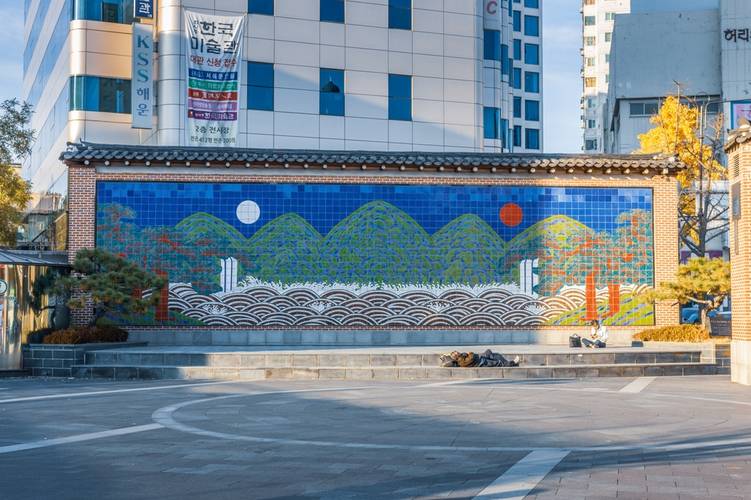
Seoul is a city that rewards walkers. Each neighbourhood has its own personality — some ancient, some ultra-modern, some delightfully in-between — and the streets themselves are often the attraction. Whether you are hunting for K-beauty finds, tracing the city's royal history, or simply soaking in the atmosphere of a neighbourhood that pulses with creative energy, Seoul's streets offer an experience unlike anywhere else in Asia. This guide covers the 11 most popular streets in Seoul, from the 24-hour shopping corridors of Dongdaemun to the leafy, ginkgo-lined boulevard of Garosugil.
Planning your trip from Singapore is straightforward. Book your flights early for the best fares, and arrange your airport transfer in advance so you arrive in the city relaxed and ready to explore.
1. Myeongdong: Seoul's Premier Shopping Street
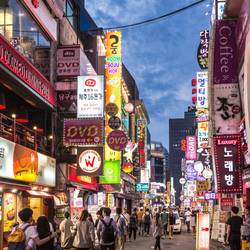
Myeongdong sits at the heart of central Seoul and is probably the first name that comes to mind when travellers think of Korean shopping. The street is lined with international flagship stores, local fashion boutiques, and an almost hypnotic density of K-beauty brands selling skincare, cosmetics, and everything in between. Street food vendors set up along the main thoroughfare selling everything from spicy rice cakes to spiral soft-serve ice cream cones that have taken social media by storm.
Beyond the shopping, Myeongdong contains two landmarks well worth a detour. Myeong-dong Cathedral is a striking Roman Catholic church whose Gothic architecture offers a calm, contemplative contrast to the commercial bustle outside its gates. The NANTA Theatre stages a uniquely Korean performing arts experience: a cooking-themed show that blends comedy, drama, live music, culinary theatrics, and acrobatic feats into a high-energy performance suitable for all ages. Tickets for the NANTA Show are priced from around S$36 to S$53, making it an accessible evening activity after a day on the street.
If you are planning to visit multiple paid attractions during your stay, look into the Seoul Pass, which covers a range of sites from 48 hours upward. Myeongdong is easily walkable and well served by subway, so it makes a natural base for first-time visitors building their Seoul itinerary.
Ready to book your Seoul stay? Browse a wide range of centrally located hotels on Traveloka to find options that put Myeongdong and the city's other great streets right on your doorstep.
2. Insadong: Traditional Korea in the Middle of the City
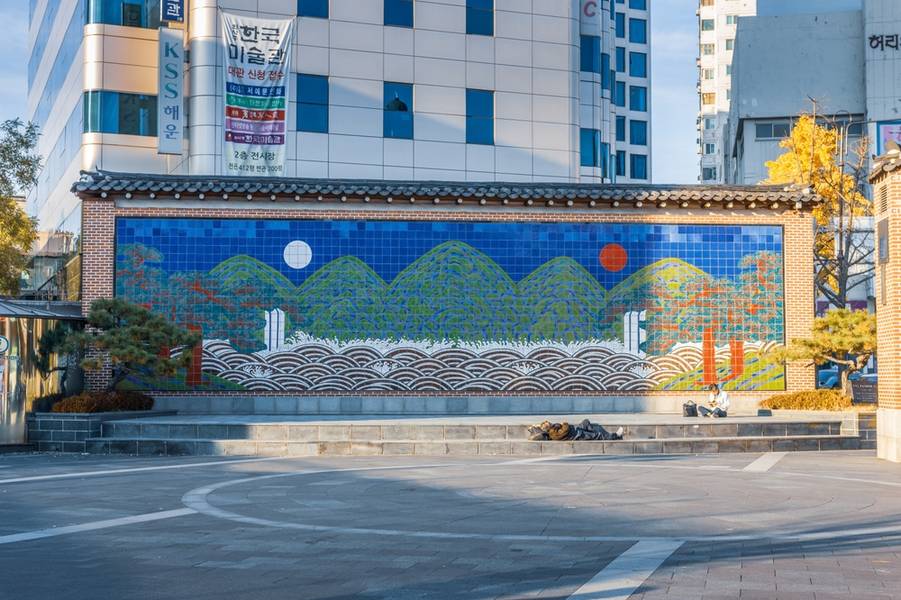
Insadong is where Seoul preserves and celebrates its cultural soul. This neighbourhood is filled with traditional tea houses, antique dealers, art galleries, and specialty shops selling Korean handicrafts and calligraphy. The Insa Art Center and the Kyung-in Museum of Fine Art both have rotating exhibitions featuring both classical and contemporary Korean artists, making every visit feel different from the last.
Just a short walk from the main street are two of Seoul's most magnificent royal palaces: Gyeongbokgung and Changdeokgung. Both offer a vivid glimpse into Korea's royal past, with vast ceremonial courtyards, restored throne halls, and beautifully landscaped gardens. One of the most popular experiences in Insadong is renting a hanbok — the traditional Korean garment — which can be hired for as little as S$19. Wearing a hanbok grants free admission to many of the royal palaces nearby, giving you an incentive to dress the part while exploring the area.
3. Itaewon: Seoul's International Dining and Nightlife District
Itaewon has long been Seoul's most cosmopolitan neighbourhood, and a walk along its main street reflects the sheer diversity of people who call the city home. Restaurants serving cuisine from the Middle East, Mexico, India, the United States, and dozens of other culinary traditions sit side by side, making it the ideal destination when you want a break from Korean food or are simply curious to see how Seoul interprets global cooking traditions.
After dinner, the neighbourhood shifts into a lively nightlife scene, with bars and clubs that keep going well into the early hours of the morning. The energy here is open, welcoming, and refreshingly international. Itaewon is also home to a growing number of concept stores, homeware boutiques, and independent coffee shops that have drawn a younger creative crowd to the area in recent years.
4. Hongdae Street: The Youthful Creative Heart of Seoul
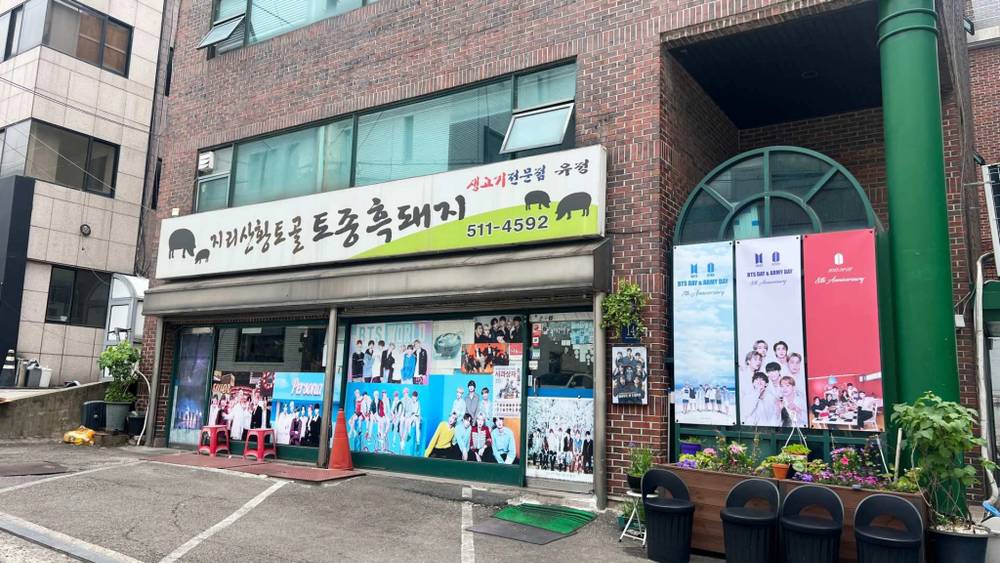
Hongdae takes its name from Hongik University, one of Korea's leading arts institutions, and the neighbourhood has grown around that creative foundation. During the day, the streets are packed with quirky independent clothing shops, art supply stores, themed cafes, and record shops. The visual identity of the area is bold, playful, and constantly changing, with street murals and installation art appearing regularly throughout the laneways.
On weekends, the Hongdae Free Market activates a lively open-air space where local artists and craftspeople sell handmade goods directly to visitors. As evening falls, street performers take over the main plaza with live music, dance, and improvised theatre that draws crowds of locals and tourists alike. For K-pop fans in particular, Hongdae is a pilgrimage destination, with several iconic filming locations and music video sites accessible on dedicated fan-oriented tours available through activities bookings.
Explore Seoul's most exciting cultural experiences with these highly rated activities available to book right now.
5. Garosugil: Seoul's Most Stylish Tree-Lined Boulevard
Garosugil, located in the Sinsa-dong neighbourhood of Gangnam, is arguably Seoul's most aesthetically refined street. A canopy of ginkgo trees lines the boulevard, turning a brilliant golden yellow in autumn and giving the entire street a warm, cinematic quality that makes it one of the most photographed thoroughfares in the city. The boutiques here tend toward independent Korean designers rather than global fast fashion, and the overall atmosphere is unhurried and upscale.
Cafes along Garosugil are equally well curated, with many occupying converted low-rise buildings with outdoor terrace seating that makes people-watching a genuine pleasure. Upscale restaurants serving contemporary Korean cuisine sit alongside patisseries and wine bars, making the street as much a dining destination as a shopping one. If you want to observe the cutting edge of Korean fashion culture and street style, a slow walk along Garosugil on a weekend afternoon will not disappoint.
6. Cheonggyecheon: A 10.9-Kilometre Urban Stream Walk
Cheonggyecheon is one of Seoul's most impressive urban renewal projects, transforming what was once an elevated expressway into a 10.9-kilometre public recreation corridor built around a restored stream. The path runs through the heart of the city, flanked by weeping willows, flowering plants, stepping stones, and a series of art installations that change throughout the year. It is a genuinely peaceful escape from the city's intensity, accessible at any point along its length.
The stream is beautiful by day, but it is at night that Cheonggyecheon takes on a particularly magical character. The bridges and surrounding buildings are reflected in the water and the lights create a shimmering, atmospheric scene that is perfect for an evening stroll. The path is accessible 24 hours a day and connects several of Seoul's major districts, making it a practical and scenic route between neighbourhoods as much as a destination in its own right.
7. Songpa-gu: Olympic Heritage and World-Class Attractions
Songpa-gu is a southeastern district of Seoul that pairs the city's Olympic heritage with some of its most visited contemporary attractions. Olympic Park, built for the 1988 Seoul Games, remains an expansive green space filled with sculptures, performance venues, and well-maintained gardens where locals come to cycle, picnic, and walk. The park's scale is impressive and its atmosphere is relaxed, making it one of the best places in Seoul to slow down and spend a few hours outdoors.
Lotte World Adventure, situated within Songpa-gu, holds the distinction of being the world's largest indoor theme park. The complex includes a full roster of rides, an ice-skating rink, a shopping mall, and the outdoor Magic Island section set on a lake. Admission is priced from around S$20 to S$29, representing good value for a full day of entertainment. Seokchon Lake, which wraps around Magic Island, is famous for its cherry blossom display in spring and is popular year-round as a jogging and walking circuit.
8. Dongdaemun: Round-the-Clock Shopping and Street Food
Dongdaemun operates on a schedule that suits night owls as much as early risers. The district is anchored by vast multi-storey shopping complexes and a network of night markets that run through the small hours, stocked with fashion, accessories, fabrics, and electronics at competitive prices. The sheer variety of goods on offer and the density of vendors make Dongdaemun a genuinely overwhelming experience in the best possible way.
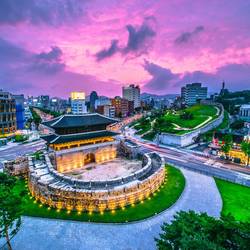
At the centre of the district stands the Dongdaemun Design Plaza (DDP), a spectacular curved building designed by architect Zaha Hadid that has become one of Seoul's most recognisable contemporary landmarks. Around the DDP, evening street food stalls serve some of the city's best late-night snacks, including tteokbokki (spicy rice cakes) and hotteok (sweet stuffed pancakes). Dongdaemun is an essential stop for anyone who wants to understand the full range of Seoul's commercial energy.
9. Namdaemun-ro: Korea's Oldest Market and Historic Gate
Namdaemun Market holds a remarkable distinction: it is Korea's oldest and largest traditional market, with roots stretching back to the 15th century. Today it spans dozens of blocks and trades in an enormous variety of goods — Korean souvenirs, traditional garments, gourmet ingredients, household goods, and fresh produce. The market is particularly beloved by locals for its food alleys, where vendors sell street snacks and hot meals from early morning until late at night.
Standing at the entrance to the market is Sungnyemun Gate, also known as Namdaemun Gate, one of the original city gates of Seoul. The gate is one of the most significant historic structures in South Korea and provides a striking architectural contrast to the modern cityscape that surrounds it. Walking between Sungnyemun and the market offers one of the clearest illustrations anywhere in Seoul of just how many centuries of history this city holds within its contemporary form.
10. Sangsu-dong: Seoul's Most Quietly Cool Neighbourhood
Sangsu-dong sits just east of Hongdae and has developed a reputation as the slightly more low-key, artistically serious sibling of its famous neighbour. The neighbourhood is characterised by its relaxed pace and a concentration of independent cafes, indie music venues, and boutique shops that cater to a creative, discerning crowd of young locals and long-term residents. Street art appears regularly throughout the area, giving even the quieter laneways a visually engaging quality.
The cafe culture in Sangsu-dong is particularly strong, with roasters and specialty coffee shops occupying renovated low-rise buildings throughout the neighbourhood. Unlike some of Seoul's more heavily touristed areas, Sangsu-dong retains the feel of a genuinely local district, making it ideal for travellers who want to experience the city at a slower, more authentic rhythm. It is best explored on foot, with no particular agenda other than to follow whatever looks interesting.
11. Apgujeong Rodeo Street: Seoul's Luxury and K-Culture Showcase
Apgujeong Rodeo Street is frequently described as the Beverly Hills of Seoul, and the comparison is apt. This is the address for flagship luxury boutiques, high-end beauty clinics, celebrity-favourite restaurants, and the kind of effortlessly stylish cafes where every detail of the interior design has been considered. The street draws a clientele of fashion industry insiders, K-pop artists, and international visitors who have come specifically for the premium retail and dining experience.
K-pop culture is particularly present here, with merchandise stores and fan experience destinations clustered throughout the area. The neighbourhood has a strong connection to the Korean entertainment industry, and celebrity sightings are not uncommon. For visitors who want to understand the glamorous, globally influential side of contemporary Korean culture, Apgujeong Rodeo Street offers a compelling and visually spectacular afternoon.
Getting between these eleven neighbourhoods is easy with a contactless transit card on Seoul's excellent metro system. For day trips or late-night exploration when public transport is less convenient, a car rental gives you the freedom to move at your own pace. Check current Traveloka promotions for deals on transport and accommodation that can help stretch your travel budget further.
Discover Flights With Traveloka
Sun, 18 Oct 2026

Trinity Airways (Formerly T’way Air)
Jakarta (CGK) to Seoul (ICN)
Start from Rp 2.476.100
Tue, 20 Oct 2026

Xiamen Air
Surabaya (SUB) to Seoul (ICN)
Start from Rp 2.914.800
Wed, 21 Oct 2026

VietJet Air
Bali / Denpasar (DPS) to Seoul (ICN)
Start from Rp 3.116.084
Book Your Seoul Trip with Traveloka
Traveloka is Southeast Asia's leading travel platform, trusted by over 100 million users across the region to plan and book their trips with confidence. For Singapore travellers heading to Seoul, the app brings together everything you need in one place: flights, hotels, activities, car rental, travel insurance, and eSIM data plans so you stay connected from the moment you land at Incheon.
Seoul's eleven great streets span multiple districts across a large city, and having all your bookings managed in one app makes navigating the trip significantly easier. Whether you want a boutique stay in Myeongdong for easy access to central shopping streets or a Gangnam hotel that puts Garosugil and Apgujeong within walking distance, Traveloka's hotel search lets you filter by location, price point, and guest rating to find the right fit. For experiences on the ground — from hanbok rental to theme park tickets and K-pop fan tours — the activities section surfaces options that can be booked in advance and managed directly from your phone.
Download the Traveloka app before your trip to access exclusive app-only deals, manage all your bookings in one place, and browse the full range of Seoul experiences available right now.
Tags:
korea
seoul
Explore the Best of Seoul
Seoul
Myeongdong
Gangnam
Dongdaemun
Recommended Articles
All The Fun Things You Should Know About Everland Korea Theme Park!
6 Best Ways to Travel from Seoul to Busan
Seoul Itinerary: 5-Day Urban Adventure in South Korea's Capital
Tiger Zodiac in 2025: Predictions in the Year of the Snake
A Journey Through Traditional Activities in Seoul
Top Areas to Stay in Seoul: Enjoy Your First Time Holiday in Korea!


