


Best Hot Spring Destinations in Asia to Visit This Year


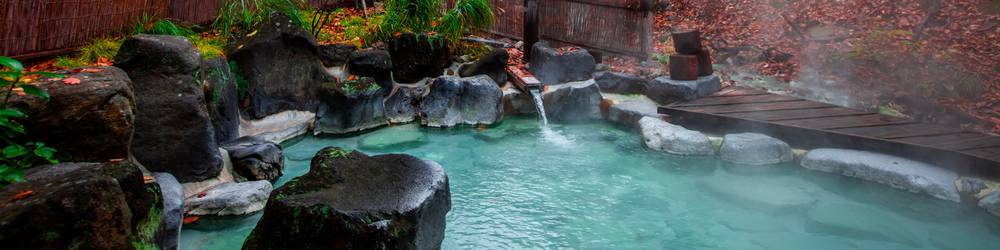
Asia's hot spring culture runs deeper than a simple soak, carrying centuries of bathing tradition across Japan, Taiwan, and South Korea alike. Four destinations below cover the region's most established thermal spring towns, each with its own distinct mineral profile and bathing custom.
Hakone sits closest to Tokyo, so flights there are the natural starting point.
Discover Flights With Traveloka
Tue, 20 Oct 2026

China Airlines
Jakarta (CGK) to Tokyo (NRT)
Start from Rp 3.621.601
Fri, 23 Oct 2026

Thai Air Asia X
Bali / Denpasar (DPS) to Tokyo (NRT)
Start from Rp 4.299.100
Tue, 20 Oct 2026

Xiamen Air
Surabaya (SUB) to Tokyo (NRT)
Start from Rp 3.399.500
1. Hakone, Japan
Roughly 90 kilometres southwest of Tokyo, Hakone pairs volcanic hot spring bathing with genuine Mount Fuji views on a clear day, a combination few other onsen towns can match. The region holds 17 distinct thermal areas, each drawing from a slightly different mineral source, best explored through a multi-night ryokan stay rather than a rushed day trip. Travellers short on time can still manage a worthwhile day visit, though an overnight stay gives a noticeably fuller sense of the region.
2. Beitou, Taiwan
Just 30 minutes from central Taipei by MRT, Beitou grew up around Japanese colonial-era bathhouses, several of which still operate today alongside the Beitou Hot Spring Museum, itself a preserved 1913 bathhouse turned heritage site. The area's water runs genuinely unusual: a rare radioactive Radium Spring sits alongside sodium bicarbonate and sulphate-chloride varieties, each associated with different therapeutic claims in local tradition passed down through generations of Beitou residents. Options range from simple day-visit public facilities to considerably more luxurious resort-style bathing.
3. Arima Onsen, Japan
Near Kobe, Arima Onsen carries over 1,300 years of history, making it one of Japan's oldest continuously operating hot spring resorts. Its two signature waters, kinsen (iron-rich and golden-hued) and ginsen (silver-toned and carbonated), give visitors two genuinely different bathing experiences within the same small town. Direct buses connect Arima to Osaka, Kobe, and Kyoto, making it an easy day trip or overnight stop from any of the three cities. The town's compact ropeway and cable car network also connects Arima to Mount Rokko's summit, adding a genuine mountain-view detour for visitors not in a rush to get back to the bath.
A hotel in Hakone puts the region's ryokan-style onsen stays within easy reach of Tokyo for a shorter trip.
4. Onyang Hot Springs, South Korea
Located in Asan, about an hour south of Seoul by train, Onyang holds the title of Korea's oldest and most famous hot spring destination. The town's bathing culture ties into Korea's broader jjimjilbang tradition, communal bathhouses that combine hot spring soaking with saunas and relaxation spaces in a single visit. It's a more understated destination than Japan's better-known onsen towns, worth visiting specifically for that quieter, more local atmosphere, and prices here run noticeably lower than Hakone or Beitou for a comparable soak. Many jjimjilbang facilities here stay open around the clock, a genuinely different rhythm than the fixed opening hours most ryokan and Taiwanese bathhouses keep, and some even double as a budget overnight option with communal sleeping areas built into the same building.
Best Time for an Onsen Trip
Winter for the Full Experience
Soaking in outdoor mineral water while snow falls around you is the single most requested onsen experience across this list, making December through February the peak season at Hakone and Arima alike.
Shoulder Seasons for Fewer Crowds
Spring and autumn bring milder weather and noticeably thinner crowds at the more popular towns, a worthwhile trade-off for travellers less attached to a snowy backdrop.
Choosing a Hot Spring Destination
For Mount Fuji Views
Hakone is the only entry on this list pairing hot spring bathing directly with Fuji sightlines, worth the trip for that combination alone on a clear day.
For Easy City Access
Beitou's 30-minute MRT ride from Taipei makes it the most convenient option for travellers without extra days to spare on a dedicated onsen trip.
For Historical Depth
Arima Onsen's 1,300-year history gives it a genuine claim to being Japan's original hot spring town, a detail worth knowing before choosing between it and Hakone.
Understanding Different Water Types
Not all hot springs across this list share the same mineral composition, and the differences matter more than casual visitors often realise. Iron-rich waters like Arima's kinsen are associated with warming the body more intensely, while carbonated springs like Beitou's varieties are linked to circulation benefits in local tradition. Radioactive springs, Beitou's rare Radium Spring specifically, carry their own distinct reputation in Taiwanese bathing culture, even though the radioactivity involved is minimal and considered safe for standard bathing use.
A guided Hakone ropeway and Lake Ashi pirate ship tour, bookable through Traveloka's activities listings, pairs naturally with an onsen stay for travellers wanting sightseeing alongside the bathing.
Onsen Etiquette Across the Region
Washing Before Bathing
Rinsing off thoroughly at the provided washing stations before entering any communal bath is standard practice across Japan, Taiwan, and Korea alike, not an optional step.
Tattoo Policies
Some traditional facilities, particularly in Japan, still restrict visible tattoos, so checking a specific property's policy ahead of a visit avoids an awkward turnaway at the entrance. Private baths, available at most ryokan across this list for an added fee, sidestep the issue entirely for travellers who'd rather not navigate the policy at all.
A car rental suits reaching Arima Onsen independently if buses don't align with your schedule, and an airport transfer covers the arrival into Tokyo smoothly before the Hakone leg begins.
Plan Your Asia Hot Springs Trip with Traveloka
Three countries' worth of bathing tradition means comparing ryokan stays against day-visit facilities before committing. Traveloka brings flights, hotels, activities, car rental, eSIM, and travel insurance together in one app, used by over 100 million travellers across Southeast Asia. Check Traveloka promotions for current deals, and download the app before your hot springs trip.
In This Article
Recommended Articles
Japan 7-Day Itinerary: Tokyo and Kyoto
Japan 14-Day Itinerary: Tokyo to Hiroshima in Two Weeks
Lazarus Island: A Complete Hassle-Free Travel Guide
Outdoor Activities in Da Nang: A Complete Guide
8 Best Food Souvenirs from Japan to Bring Home

Where to Spot F1 Drivers in Singapore During Race Week


