


Japan Food Guide: Must-Try Dishes From Tokyo to Fukuoka


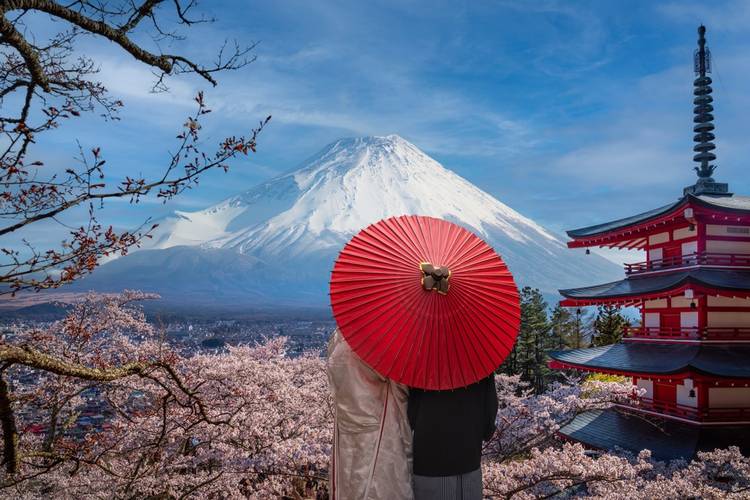
Japan holds more Michelin-starred restaurants than any other country on earth, yet its most memorable meals often turn up somewhere far humbler: a basement ramen counter, a late-night izakaya, or a street-side yakitori stall. Four cities below cover the range, each with its own distinct culinary identity worth building a trip around, from Tokyo's sheer density of options to Fukuoka's single, truly world-famous ramen specialty.
Tokyo anchors most Japan food itineraries, so start by booking flights into the capital.
Discover Flights With Traveloka
Sun, 18 Oct 2026

EVA Air
Jakarta (CGK) to Tokyo (NRT)
Start from Rp 3.607.174
Mon, 19 Oct 2026

Thai Air Asia X
Bali / Denpasar (DPS) to Tokyo (NRT)
Start from Rp 4.288.900
Thu, 22 Oct 2026

Xiamen Air
Surabaya (SUB) to Tokyo (NRT)
Start from Rp 3.371.400
Tokyo: The World's Greatest Food City
Shinjuku's ramen shops turn out everything from rich tonkotsu to lighter shoyu-based bowls, often from counters seating fewer than a dozen people at a time. Ginza's tonkatsu counters serve breaded, deep-fried pork cutlets with a precision that elevates a simple dish into something remarkably refined. Department store basement food halls, known as depachika, at Isetan and similar stores pack an entire city's worth of specialty foods into one underground level, worth browsing even if you're not planning to buy. The Toyosu fish market, which took over from the old Tsukiji site in 2018, still delivers some of the freshest sashimi in the country come early morning.
Osaka: Japan's Kitchen and the Home of Kuidaore
Osaka's food culture centres on kuidaore, roughly translating to "eat yourself into bankruptcy," a philosophy the neon-lit Dotonbori canal district embodies at every turn. Takoyaki, octopus-filled batter balls grilled to a crisp exterior, and okonomiyaki, a savoury cabbage pancake, both originated here and remain the city's two most iconic street foods. Shinsekai's kushikatsu stalls serve deep-fried skewers by the dozen, while Kuromon Ichiba Market, open since 1902, gives a more traditional market-browsing experience in the heart of the city.
Kyoto: Kaiseki, Matcha, and the Art of Seasonal Eating
Kyoto's kaiseki tradition, a multi-course tasting menu rooted in tea ceremony culture, represents Japanese fine dining at its most refined and seasonal. Restaurants like Kikunoi, Hyotei, and Nakamura have each operated for over a century, giving diners a genuine sense of culinary continuity rare even within Japan. Nishiki Market, nicknamed Kyoto's Kitchen, runs through the Karasuma shopping district and suits a slower, browsing-focused visit. The nearby Uji region produces some of Japan's finest matcha, worth a detour for anyone serious about tea.
A hotel in central Tokyo puts Shinjuku's ramen counters and Ginza's tonkatsu restaurants within easy reach of each other.
Fukuoka: The Birthplace of Tonkotsu Ramen
Hakata-style tonkotsu ramen, built on a rich, creamy pork-bone broth, originated in Fukuoka and remains the city's single most famous culinary export. The yatai, open-air food stalls lining the Naka River, give Fukuoka a food culture unlike anywhere else in Japan, part casual dining and part genuine local institution. Mentaiko, spiced pollock roe, also hails from this region and shows up across everything from rice dishes to pasta.
Planning a Food-Focused Japan Trip
Timing Around Peak Seasons
Cherry blossom season in spring and autumn leaf season both draw heavy demand for the best restaurants and food tours, so booking weeks or months ahead matters more during these windows.
Mixing Fine Dining and Street Food
Balancing one or two kaiseki or Michelin-starred meals against several days of street food and market browsing gives the fullest sense of what Japan's food scene actually offers.
A guided food tour through Tsukiji Outer Market, bookable through Traveloka's activities listings, pairs well with an early Tokyo morning before the crowds arrive.
Vegetarian and Dietary Considerations
Japan's food scene leans heavily toward fish and meat broths even in dishes that look vegetable-based, so travellers with dietary restrictions benefit from researching specific restaurants ahead of time rather than assuming any given menu will accommodate them.
Where to Find Reliable Options
Kyoto's kaiseki tradition, rooted in Buddhist temple cuisine, offers some of the most naturally accommodating options for vegetarian travellers anywhere in the country, particularly restaurants specialising in shojin ryori, the temple-style vegetarian cooking many kaiseki traditions descend from.
Understanding Japan's Dining Etiquette
At a Ramen Counter
Slurping noodles is genuinely expected rather than impolite, and finishing the broth quickly while it's still hot is part of the experience rather than something to rush through out of embarrassment.
At a Traditional Kaiseki Restaurant
Kaiseki meals follow a set sequence of courses designed around the season, so arriving with an open schedule and no rush to finish matters more here than at a casual ramen shop.
Regional Specialties Worth Seeking Out
Beyond the Four Cities on This List
Hokkaido's seafood and Hiroshima's own take on okonomiyaki both reward a detour for travellers extending their trip beyond Tokyo, Osaka, Kyoto, and Fukuoka.
Getting Between These Four Cities
Japan's Shinkansen bullet train network connects Tokyo, Osaka, and Kyoto in under three hours each, making a multi-city food trip entirely practical without much time lost to transit. Fukuoka sits further south but remains reachable by high-speed rail or a short domestic flight, worth building into a longer itinerary rather than a rushed add-on.
A car rental adds little value for a food-focused city trip given how well Japan's trains connect these destinations, and an airport transfer gets you from Narita or Haneda into Tokyo smoothly after a long flight, ready to eat as soon as you check in.
Plan Your Japan Food Journey with Traveloka
Four cities each with their own culinary identity takes some route planning to fit into one trip. Traveloka is Southeast Asia's leading travel platform, trusted by over 100 million users, bringing flights, hotels, activities, car rental, eSIM, and travel insurance together in one app for trips across Asia and beyond. Check Traveloka promotions before booking, and download the app before your Japan food trip.
In This Article

Recommended Articles
How to Get to Mount Fuji from Tokyo: 4 Best Options
Kansai Airport to Osaka: Every Way to Get There
JR Pass vs Regional Passes: Which One Actually Saves You Money
Ultimate Tokyo Summer Itinerary: 5 Days of Food, Culture, and Fun
Shrines and Temples in Tokyo: 6 Sacred Sites to Visit
Best Ramen in Ginza: 10 Must-Try Shops in 2026


