4 Public Transport in China: A Complete Guide for Foreigners


Exploring the vast and majestic Middle Kingdom has never been more accessible. With a highly integrated digital ecosystem, public transport in China has become one of the most efficient networks globally, ensuring a stress-free adventure whether you are hopping between provinces or navigating local city alleys.
The system is remarkably intuitive once you master the digital tools that power it. From high-tech subways to scenic ferries, strategic planning allows you to navigate this beautiful country safely and affordably while experiencing the city’s vibrant local rhythm.
Must-Have Digital Tools for Public Transport in China
China’s "mobile-first" philosophy makes smartphone apps essential for travel. To use public transport in China effectively, you must install specific apps since cash is now nearly obsolete in most transit hubs.
1. Alipay (支付宝)
Alipay is an absolute must-have "super-app" for any traveler. Beyond its role as a digital wallet, Alipay features a "Transport" mini-program that is incredibly friendly for foreigners. You can link your international credit card (Visa or Mastercard), select your current city, and generate a transport QR code. This code can be scanned at Metro gates and on buses in hundreds of cities, eliminating the need to buy physical tickets or local transit cards.
2. WeChat (微信)
Similar to Alipay, WeChat offers "WeChat Pay" with a built-in "City Transits" feature. Through its mini-programs, you can access ride-hailing services like Didi, purchase long-distance bus tickets, and even unlock public shared bikes. Having WeChat set up ensures you have a reliable backup and a versatile tool for every mode of transport you might encounter.
3. Amap / Gaode Maps (高德地图)
Since some global map services may have limited accuracy or connectivity issues in China, Amap is the gold standard for local navigation. It provides real-time data for buses, subways, and walking routes. While the interface is in Chinese, the intuitive icons and real-time GPS tracking make it easy for you to see exactly which bus is arriving and when you need to get off.
5 Public Transportation Options in China
The diversity of China’s transit system caters to every type of traveler, from budget-conscious backpackers to those seeking luxury. These modes of transport ensure every corner of the country remains accessible while helping you bypass heavy traffic.
1. The Metro (Subway)

The Metro system is the backbone of urban mobility in cities like Beijing, Shanghai, and Guangzhou. It is the fastest way to navigate city centers while avoiding the frustration of road congestion.
2. High-Speed Rail (Bullet Train)
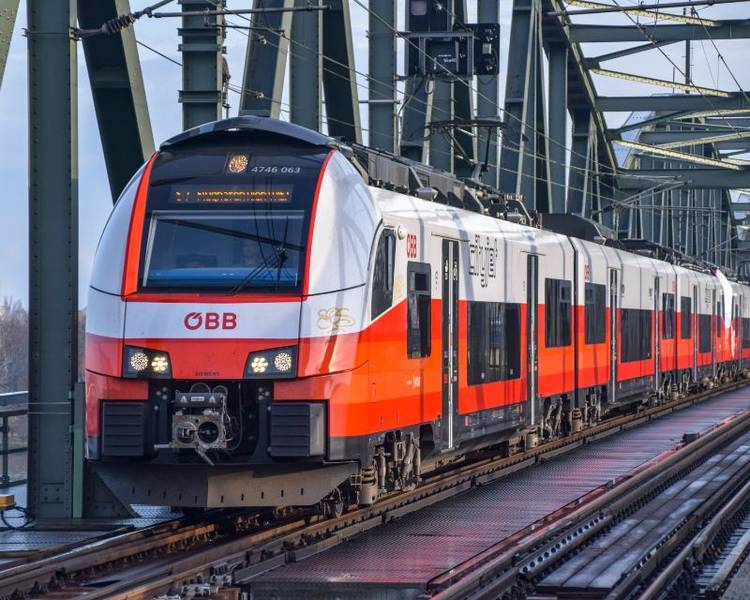
China boasts the world's most extensive high-speed rail network, with trains reaching speeds of up to 350 km/h. It is often a much more convenient and punctual alternative to flying.
3. Public Buses and BRT
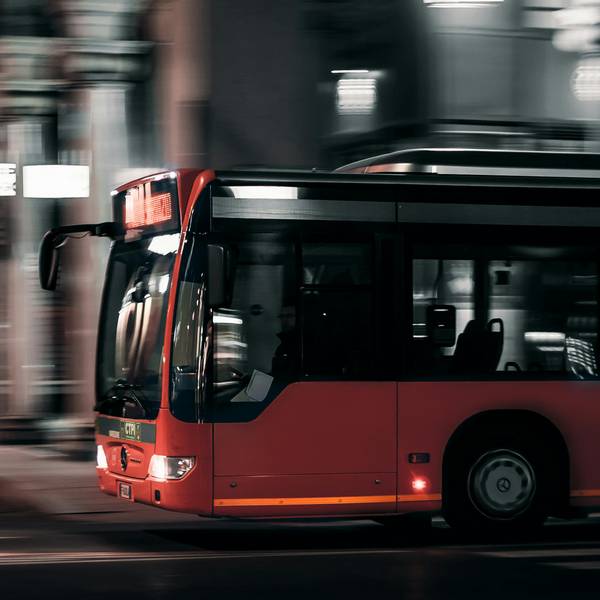
Buses offer a deep dive into the local rhythm and reach corners of the city that the Metro might miss.

These colorful bicycles are perfect for "the last mile" of your journey or for exploring scenic lakeside paths.
Alternative: Didi (Ride-Hailing)

Didi is the essential ride-hailing tool in China, functioning similarly to Grab but with a massive fleet of vehicles.
Discover flight with Traveloka
Thu, 1 Oct 2026

Shandong Airlines
Jakarta (CGK) to Beijing (PEK)
Start from Rp 2.535.920
Thu, 24 Sep 2026

AirAsia Indonesia
Surabaya (SUB) to Beijing (PEK)
Start from Rp 3.227.516
Sat, 26 Sep 2026

Shenzhen Airlines
Singapore (SIN) to Beijing (PEK)
Start from Rp 2.401.664
Mastering the Chinese Commuter Rhythm
To move through Chinese cities with total confidence, it helps to adopt the practical habits of the locals. Chinese commuters are masters of efficiency, and following their lead will help you blend in perfectly while navigating busy intersections.
1. Strategize to Avoid Peak Hours
To ensure a comfortable journey, try to avoid using the Metro during peak hours, typically between 07:00 AM – 09:00 AM and 05:00 PM – 07:00 PM. During these times, stations can become extremely crowded. If you must travel then, stay organized and keep your belongings close, or take a moment to enjoy a coffee at a nearby cafe until the rush subsides.
2. Carry Your Passport for Rail Travel
A unique aspect of public transport in China is the "Real-name Registration" system for trains. You must present your original passport to enter train stations and board high-speed rail. Security checks at these stations are thorough, similar to airport security, so you should arrive at least 60 minutes before your departure to ensure a smooth boarding process.
3. Observe Local Transit Etiquette
Chinese commuters value order in high-traffic areas. When using the Metro, always stand behind the lines and wait for passengers to exit the train before you board. On escalators, the unspoken rule is often to stand on one side to allow others to pass. Being mindful of these small details will make your interaction with the local system much more pleasant.
Discover flight with Traveloka
Thu, 1 Oct 2026
Shandong Airlines
Jakarta (CGK) to Beijing (PEK)
Start from Rp 2.535.920
Thu, 24 Sep 2026
AirAsia Indonesia
Surabaya (SUB) to Beijing (PEK)
Start from Rp 3.227.516
Sat, 26 Sep 2026
Shenzhen Airlines
Singapore (SIN) to Beijing (PEK)
Start from Rp 2.401.664
Top China Hotels Near Major Transit Hubs
Choosing the right accommodation can save you hours of commuting time. Staying near a major railway station or a central Metro interchange allows you to drop your luggage and start exploring immediately.
1. Novotel Beijing Peace (Near Wangfujing Metro)
Located in the heart of Beijing, this hotel is just a short walk from the Wangfujing Metro station. This provides you with direct access to Line 1, making it incredibly easy to reach the Forbidden City, Tiananmen Square, and the city's premier shopping districts within minutes.

Wangfujing

Peace Hotel Beijing

8.0/10
•

Wangfujing
Rp 1.913.750
Rp 1.722.383
2. Radisson Blu Hotel Shanghai New World (Near People's Square)
This hotel sits at the ultimate transit crossroads of Shanghai. Being near People's Square means you have immediate access to three major Metro lines, allowing you to reach any part of the city, including the Bund and Pudong, with total ease.
Huangpu

Radisson Blu Hotel Shanghai New World
8.6/10
•
Huangpu
Rp 2.360.133
Rp 2.220.118
3. Hotel Landmark Canton (Near Haizhu Square)
For those visiting Guangzhou, this hotel offers a strategic base right by the Pearl River and Haizhu Square Metro station. It is an ideal location for you to explore the city's historic sites and vibrant markets while remaining well-connected to the airport rail links.
Yuexiu Qu

Hotel Landmark Canton
7.6/10
•
Yuexiu Qu
Rp 1.258.516
Rp 1.183.920
Mastering public transport in China is your gateway to a seamless and authentic travel experience. By embracing digital payment apps, utilizing the incredible high-speed rail network, and observing local commuting habits, you can navigate this vast country with the confidence of a local.
The efficiency and affordability of the Chinese transit system reward the prepared traveler, ensuring that your focus remains on the breathtaking sights and cultural wonders of your journey.
Start Your China Adventure with Traveloka!
Ready to witness the future of travel? Don't let your travel plans stay a dream! Use Traveloka to book your flight tickets to China at the best prices and find the perfect hotel near a transit hub for ultimate convenience.
You can also book your attraction tickets and city tours directly through the Traveloka app to skip the long lines at famous landmarks. For total peace of mind and financial flexibility, take advantage of the TPayLater feature, allowing you to travel now and pay with light, easy installments. Start your journey and experience the ease of exploring China with Traveloka today!
In This Article
Recommended Articles

The Best Time to Visit Beijing: A Guide for Every Traveler

How to Pay in China: A Guide for Travelers and Locals

Cara Apply Visa China 2026: Jenis Visa, Syarat, dan Biaya Pengajuan

Panduan Lengkap Visa Transit China: Semua yang Perlu Kamu Ketahui

Unforgettable Things to Do in China During Cherry Blossom Season

7 Days Macau Itinerary: A Week of Adventure