What to Know About the Chinese New Year Red Envelope: Meaning, Customs, and Etiquette


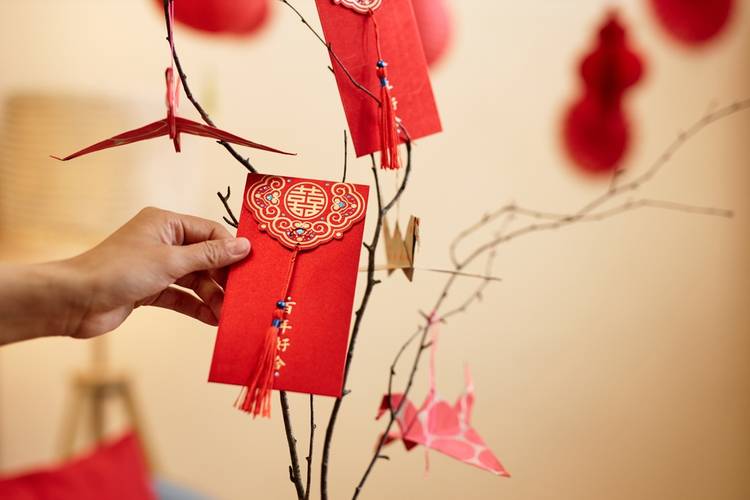
A Chinese New Year red envelope is one of the most recognisable traditions of Lunar New Year.
Whether you call it a red packet, a hong bao, or an ang pow, it symbolises blessings, protection, and good wishes for the year ahead.
The concept is simple yet meaningful, as the red packet ang bao carries hopes of fortune and happiness from the giver to the receiver. Families, friends, and even workplaces exchange these red packets as a way to strengthen bonds during the festive season. The practice remains timeless, whether in traditional paper form or modern digital versions. Keep reading to explore the meaning of red packet traditions and the unique cultural stories behind them.
The Meaning Behind the Red Envelope
The red envelope meaning carries deep cultural and emotional weight in Chinese communities. Its vibrant red colour symbolises good fortune and protection, believed to ward off negativity and invite a smooth start to the new year.
The money Chinese New Year cash inside represents a transfer of blessings, expressing the giver’s hope that the recipient will enjoy prosperity. Beyond material value, the act of giving a red packet new year gift highlights care, respect, and harmony.
Historical Origins of the Red Packet Tradition

The tradition of giving red packets dates back to ancient China, where early New Year customs involved protection and blessings.
One of the most well-known legends tells of a demon named Sui who appeared on New Year’s Eve to disturb sleeping children.
To keep them safe, parents wrapped coins in red paper and placed them under pillows.
They believed the bright colour and the coins’ protective power would drive the demon away.
This practice became known as ya sui qian, or money to suppress Sui. Over time, the custom evolved from loose coins to presenting money neatly enclosed in a red envelope hong bao. As society changed, the meaning of red envelope gifting expanded from spiritual protection to strengthening family ties. Today, the new year red packet remains a cherished part of the holiday, adapting while retaining its symbolic roots.
Who Gives and Receives Red Packets
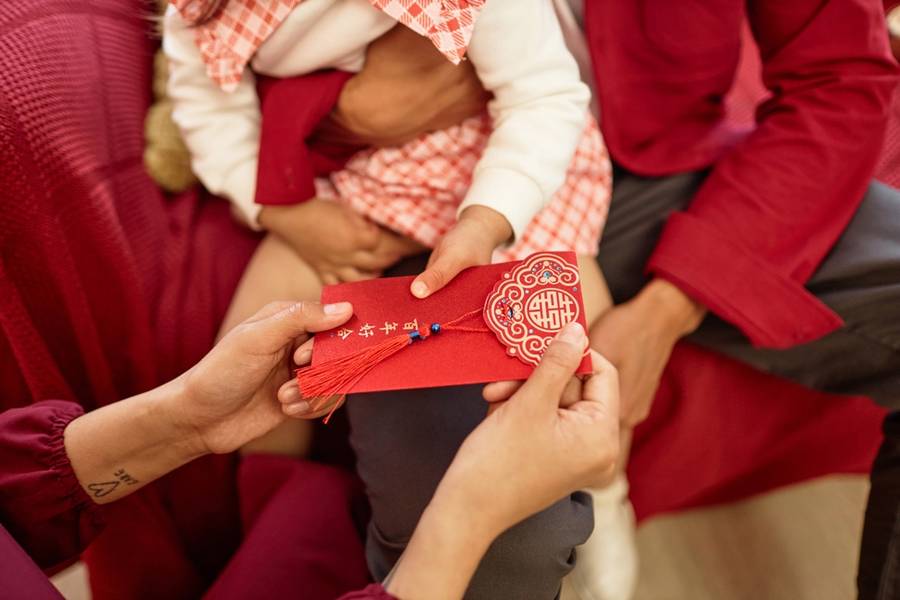
Traditionally, a lunar new year red envelope is given by married adults to children, unmarried relatives, and elders as a sign of care. Parents and grandparents prepare red envelopes for younger family members, while grown children also give to their elders to express gratitude.
The custom also extends to workplaces, where employers may present a new year red envelope to staff as a gesture of appreciation. In modern settings, friends may exchange a cny red packet to share good wishes. This shows how the chinese red packet continues to adapt while keeping its core purpose of spreading blessings intact.
Red Packet Etiquette and Cultural Rules
When and How to Give

A red packet new year gift is usually given during visits on the first days of the festival. They are presented with both hands, often accompanied by warm wishes. Recipients also accept the chinese red envelope using both hands as a sign of respect. Beyond the lunar new year red packet exchange, these envelopes are offered at weddings and birthdays.
Dos and Don’ts
Regional Variations and Names
1. Ang Bao in Singapore and Malaysia
In Singapore and Malaysia, the envelope chinese new year tradition uses the term ang bao, rooted in Hokkien. The ang pao meaning here emphasises family hierarchy. It is common for married adults to prepare many angpao chinese new year packets in advance for the community.
2. Lai See in Hong Kong
In Hong Kong, the red envelope is known as lai see. It is customary for senior staff to give a lai see red envelope or lai see packet to juniors. Designs often feature red pockets in chinese art styles, using red and gold to reflect the city’s aesthetics.
3. Li Xi in Vietnam
In Vietnam, the li xi red envelope is an essential part of Tet. The red envelope li xi exchange carries the same intentions of luck. Children receive their red packet after offering respectful greetings to elders, highlighting family unity.
Design and Symbolism of the Red Packet

Red packets have evolved from simple red paper wrappers to beautifully decorated envelopes that reflect values and festive charm.
Popular motifs include dragons, phoenixes, zodiac animals, gold coins, and blessing characters that express hopes for fortune and safety.
Gold ink is often used to enhance the auspicious meaning, especially when paired with phrases such as “Gong Xi Fa Cai”.
Designs may vary depending on the occasion; wedding packets typically feature double happiness symbols.
Conversely, business-related packets often use neat corporate styles.
Some envelopes are crafted with embossed textures or artistic illustrations, showing how the tradition blends heritage with creativity.
Whether plain or elaborate, each design carries the intention of spreading goodwill.
As an illustration, here are the common occasions and suitable red envelope designs:
The Meaning of Money Amounts
Money amounts in red packets follow Chinese numerology, favouring numbers believed to attract luck and avoiding those that do not.
The number “8” is especially favoured because its pronunciation is associated with prosperity, making amounts like 8, 18, 88, or 168 particularly popular.
Even numbers are generally preferred, as they represent balance and harmony.
Odd numbers and small coins are avoided because they are seen as less auspicious or too casual for festive blessings.
Younger children often receive modest amounts, while elders may receive higher sums as a sign of respect and gratitude.
These thoughtful choices show that the meaning lies not in the amount itself but in the intention behind the gesture.
So, how much should you give to each person during Chinese New Year?
Here’s a simple guide to help you prepare your red packets with confidence:
Digital and Modern Red Packets

Digital red packets have become increasingly popular, especially among youngers who prefer the convenience of mobile apps.
Platforms like WeChat Pay and GrabPay allow users to instantly send e-ang bao to distant relatives, colleagues, or friends during the celebrations.
These digital versions are seen as more environmentally friendly, since they reduce the need for printed envelopes and new banknotes.
Many people also enjoy using customised digital designs that reflect playful or festive themes.
The rise of digital giving shows how tradition can adapt to modern lifestyles while still carrying the same meaning of sharing blessings.
Some families now blend both paper and digital packets to keep the celebration both practical and meaningful.
Discover Flights With Traveloka
Mon, 21 Sep 2026

Shenzhen Airlines
Singapore (SIN) to Beijing (PEK)
Start from S$155.52
Sun, 20 Sep 2026
Shenzhen Airlines
Kuala Lumpur (KUL) to Beijing (PEK)
Start from S$148.84
Thu, 1 Oct 2026

Shandong Airlines
Jakarta (CGK) to Beijing (PEK)
Start from S$184.56
Creative and Custom Red Envelopes Today
Modern red envelopes now come in various stylish and themed designs created by brands, artists, and cultural organisations.
Limited-edition packets often feature seasonal motifs, elegant illustrations, or embossed textures that make them collectible during CNY.
Many companies also produce custom envelopes printed with logos or festive messages to give to clients or staff as part of holiday appreciation.
Trends have expanded to include Christian-themed packets, eco-friendly designs, and premium packets made from textured materials.
These creative interpretations show how the red envelope evolves while remaining meaningful.
The Cultural Meaning Beyond Money
The essence of the red envelope tradition is not about financial value but the goodwill expressed through the act of giving.
Each packet symbolises warm wishes for happiness and safety a year ahead, creating a bridge between generations and strengthening family bonds.
The exchange also reflects respect, gratitude, and the hope for harmony within communities.
Even with modern changes, this is remain a timeless reminder of Chinese cultural values.
Its meaning endures through every celebration, carrying the shared hope for a prosperous and peaceful new year.
Celebrating the New Year with Traveloka
Chinese New Year red envelopes remain one of the most meaningful ways to share blessings and connect across generations.
They are also used to welcome the new year with hope and gratitude.
Whether traditional or digital, the spirit of the red packet remains the same, reminding us of kindness, respect, and togetherness.
If you are planning festive visits or short getaways, explore travel needs easily on Traveloka.
This includes browsing hotels in Singapore and finding convenient routes near popular Singapore tourist attractions.
During the festive season, enjoy special offers like the Traveloka Epic Sale and promotions that provide extra value through cashback.
Traveloka simplifies trip planning by keeping everything in one place, so you can focus on celebrating CNY with loved ones.

Tags:
chinese new year
In This Article
Recommended Articles

Chinese New Year Food Guide: Dishes, Snacks & Reunion Dinner Ideas

Chinese New Year 2026 in Singapore: Events, Traditions & Things to Do Dinners

Popular Chinese New Year Cookies and Snacks Explained in Simple Terms

Guide to Lantern Festival China: History, Events and Travel Tips

Chinese New Year Snacks: Delicious Treats with Meaningful Traditions

How to get from Seoul to Jeju ISland