Chinese New Year Traditions & Customs: Meaning of Red Envelopes, Lion Dance & Lo Hei


Chinese New Year (Lunar New Year or Spring Festival) is, without a doubt, the most important celebration in Chinese culture. It marks the end of winter and the start of spring, making it a truly special time filled with rituals, Chinese New Year food, and family gatherings. For travellers visiting during this time, finding comfortable Singapore hotels is key to experiencing the festivities properly.
The holiday is full of powerful symbols: central to everything are family reunions, the giving of red envelopes (hongbao), spectacular lion dances, the unique lo hei (prosperity toss ritual in Singapore), delicious traditional CNY foods, and bright festive decor. While the core meaning—luck, fortune, and renewal—is shared everywhere (from China to Singapore to Malaysia), the local customs add unique touches.
Experiencing these rituals is one of the best things to do in Singapore in the new year. Get ready to learn about the practices and typical Chinese New Year food that help welcome good luck for the year ahead!
Origins & Meaning of Chinese New Year
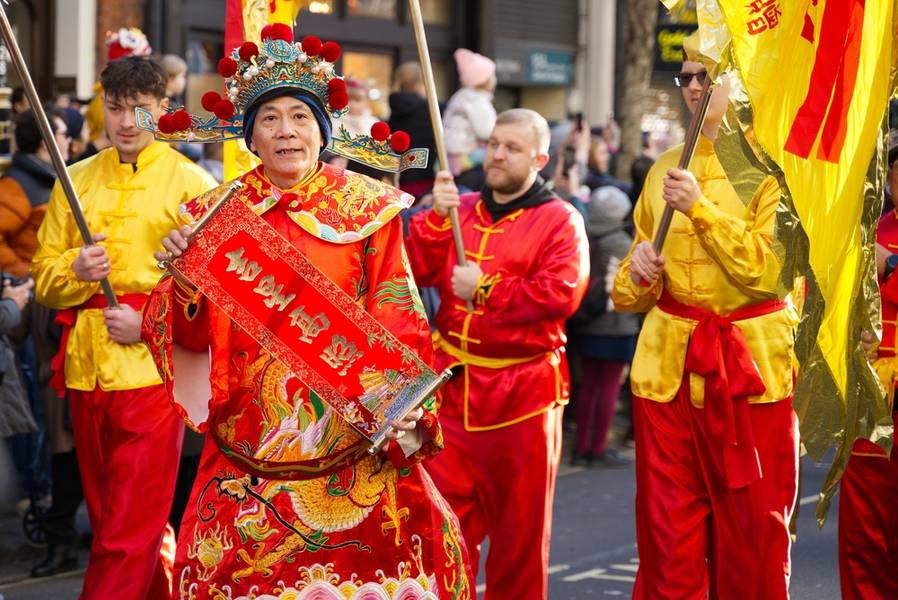
The lunar new year tradition is an ancient festival that has been celebrated for thousands of years, starting as an agricultural holiday. It commemorates the end of the long winter season and the official start of the spring planting season, which is why it is still widely known as the Spring Festival. The entire holiday is built around Chinese spring festival traditions of revival and renewal, often centered on Chinese spring festival food shared among loved ones.
Symbolism
The core meaning is intensely focused on good fortune. It is about sweeping away bad luck and misfortune that accumulated during the past year. By cleaning the house and preparing Chinese New Year snacks, families are warmly welcoming prosperity, harmony, and health into the new year. Every Chinese new year custom is designed to attract positive energy.
Legends
One famous myth that explains many of the rituals involves the terrifying Nian monster. This beast attacked villagers at the turn of the year. According to the legend, people discovered that the Nian was terrified of loud noises and the bright colour red. This discovery is why setting off firecrackers and using the colour red for decorations became so central to the traditions for lunar new year, as they are powerful tools to chase the bad luck (Nian) away!
Red Envelopes (Angpao / Hongbao / Lai See)
Nothing signifies Lunar New Year more than the little red envelopes filled with money! These are the most anticipated chinese new year customs and traditions of the holiday.
Lion Dance & Dragon Dance

The Chinese New Year lion dance is a major highlight of the celebration and is exciting to watch.
Purpose and Meaning
The dances are performed to scare away evil spirits and ceremonially bring good fortune. The lion often performs playful movements, such as eating a head of lettuce or oranges and then "spitting" them out, symbolising the spreading of abundance—a key part of chinese traditions for chinese new year.
The Sound
The performances are always accompanied by rhythmic drums and cymbals. The loud noises are believed to truly help chase away bad luck, a staple among chinese new year day traditions.
The Difference
Where to See Lion Dance & Dragon Dance in Singapore
In Singapore, these dances are frequently performed in shopping centres, at temples, outside offices, and at major public parades like the Chingay Parade. They are a big part of the public celebration.
If you want to plan your viewing, these locations offer the best shows and atmosphere:
1. National Museum of Singapore

Bencoolen

V Hotel Bencoolen

8.4/10
•

Bencoolen
S$281
2. Jewel Changi Airport
Singapore

Crowne Plaza CHANGI AIRPORT by IHG
9.3/10
•
Changi
S$539
3. Sentosa Island
4. Parkway Parade
Family Reunion Dinner

The reunion dinner is the single most important part of the entire holiday. This meal is the emotional core for every Chinese new year family, held on New Year’s Eve.
Central Event
It is regarded as a time to gather and strengthen bonds, fulfilling the china new year tradition of unity. It strongly symbolises that all members must return home to spend Chinese new year with family. This act of returning is what makes the cny tradition so special.
Symbolism
The dinner itself is a powerful symbol of togetherness. Every single dish served is carefully chosen because it carries a specific symbolic meaning, deeply steeped in chinese new years food traditions.
Typical Dishes
When you celebrate with family, the chinese food new years tradition usually includes:
Sentosa Island

Adventure Cove Waterpark™
8.8/10
Sentosa Island
S$29
Traditional CNY Foods & Symbolic Dishes
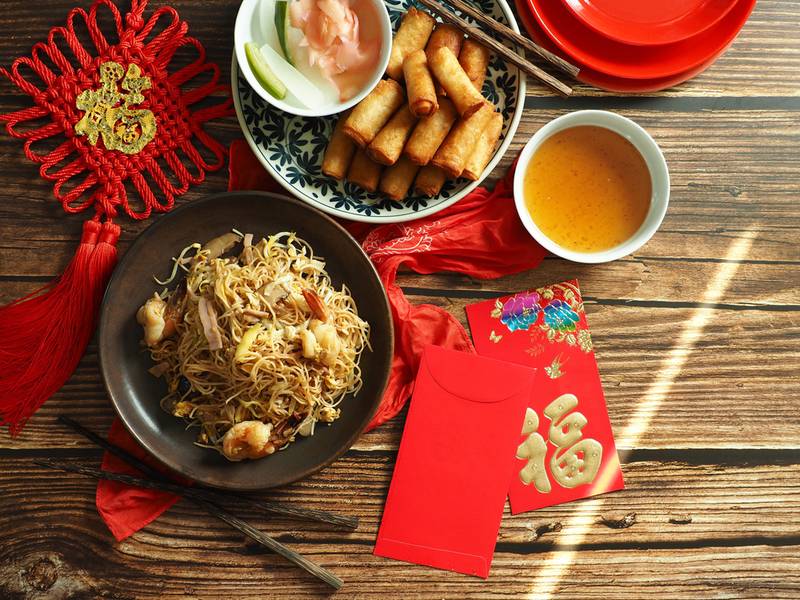
Every dish eaten during the Chinese New Year meal traditions carries a specific symbolic meaning. This ensures that every Chinese New Year cuisine choice is a wish for good fortune.
1. Fish (Yu)
Serving a Chinese New year fish steamed fish is essential because the Chinese word for fish (yu) sounds like the word for prosperity or surplus. It symbolises having a surplus of money or food by the end of the year, ensuring you always have more than you need. It is often customary to leave some fish uneaten after the New Year's Eve dinner to signify that prosperity will overflow into the next year.
2. Dumplings
These are eaten because they resemble ancient Chinese gold ingots (which are boat-shaped). Eating them is believed to attract wealth in the new year. They are usually folded together by the entire family, representing reunion and togetherness, making the preparation itself a family bonding activity. The more dumplings you eat, the more wealth people believe you can accumulate!
3. Spring Rolls & Savory Snacks
Because their golden colour resembles gold bars, spring rolls are top food ideas for Chinese New Year. Other favorites include the cny prawn roll, egg roll cny, and crispy chinese new year chips.
4. Tangyuan (Sweet Rice Balls)
These sweet rice balls are round, and the Chinese name for them (tangyuan) sounds like the word for unity and togetherness (tuan yuan). They are traditionally eaten during the Lantern Festival (Day 15), but they are often served throughout the holiday. Their perfectly round shape symbolizes completeness and family harmony.
5. Mandarins/Oranges
These bright, round fruits symbolize luck and gold (wealth). Their golden colour represents wealth, and their pronunciation in some dialects sounds like "good luck." They are exchanged frequently in pairs during visits as an act of well-wishing.
6. Nian Gao (Sticky Rice Cake)
Eating Nian Gao symbolises having a higher income or a higher position in the new year, wishing for success and rising fortune. This is because the word gao sounds like the word for "high," symbolizing growth and progress year after year.
7. Longevity Noodles
These symbolize long life and are a staple chinese lunar new year recipes favorite. They are a classic chinese new year traditional dish found on every chinese new year menu.
Lo Hei / Yu Sheng (Singapore & Malaysia)
This is a Chinese New Year food tradition that is unique and beloved in Singapore and Malaysia!
Traditional Clothing & Festive Decor
The Chinese New Year is a holiday with truly powerful visual power, focused heavily on the colour red and gold.
Customs & Etiquette
Knowing basic CNY customs and etiquette makes visiting relatives much easier!
Discover Flights With Traveloka
Wed, 7 Oct 2026

TransNusa
Singapore (SIN) to Bali / Denpasar (DPS)
Start from S$118.43
Tue, 22 Sep 2026

NAM Air
Jakarta (CGK) to Bali / Denpasar (DPS)
Start from S$84.99
Sun, 11 Oct 2026

Batik Air Malaysia
Kuala Lumpur (KUL) to Bali / Denpasar (DPS)
Start from S$101.68
Regional Differences: China vs Singapore
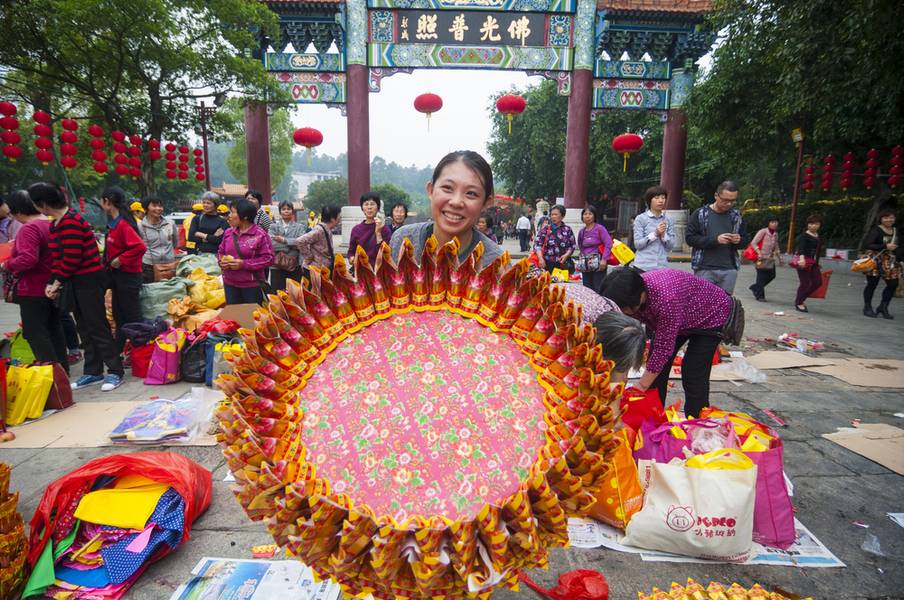
Chinese New Year traditions vary depending on where you celebrate, even though the core spirit of family and luck is the same.
China (Focus on Tradition and Mass Media)
Singapore (Focus on Multicultural Blend and Food Rituals)
Shared Roots
Both regions share the same symbolic roots, like cleaning the house and giving red packets, but the local customs and public execution have created distinct experiences.
Modern Evolutions of CNY Traditions
Traditions are changing! The lunar new year tradition is adapting to modern life.
Conclusion
Chinese New Year traditions are vital because they preserve cultural identity. From the red packet chinese new year to the energetic chinese new year lion dance, this is a truly special time. Travellers should take the chance to experience these rich traditions of chinese culture.
You can easily find offers for Last-minute Flight Deals and hotels promo on Traveloka to experience the New Year celebrations in Singapore, China, or other parts of Asia!

Tags:
chinese new year
Explore the Best of World

World
Recommended Articles

2026 Toyota AFL Grand Final: The Complete Melbourne Guide for Visitors

TCS Sydney Marathon 2026: The Complete Guide for Runners

15 Best Night Markets in Taipei You Must Visit in 2026

New Bahru Mall Singapore: The Complete Shopping and Dining Guide for 2026

25 Best Picnic Spots in Singapore for 2026

Singapore Public Holidays 2026: Your Complete Guide to Long Weekends and Festivals