Japan Lunar New Year Guide | How Japan Celebrates Chinese New Year


Lunar New Year in Japan
The Lunar New Year, often linked with the Chinese New Year traditions that follow the Chinese lunar calendar, has long been recognised across East and Southeast Asia. While modern Japan officially follows the Gregorian calendar, traces of these older customs still appear each year, especially in areas with strong cultural roots. As a result, many visitors searching for a Japan Lunar New Year experience are often surprised to find that the season carries a unique local charm.
Although the country does not formally recognize it as a public holiday, the spirit of the season lives on strongly in places such as Yokohama, Kobe, and Nagasaki. These cities host some of the most notable Chinese communities in the country, and this is where you’ll find the liveliest events for Chinese New Year Japan. Streets glow with lanterns, and families gather to honour customs shaped by centuries of cultural exchange. For travellers curious about how people in Japan celebrate Chinese New Year, these sights offer an engaging blend of heritage and modern touches.
Festive food is a big part of the celebration too. From steaming dumplings and New Year cakes to classic street bites found in Chinatowns, each dish carries the familiar warmth associated with the season. Whether you’re exploring Yokohama’s bustling lanes, strolling through Kobe’s Nankinmachi, or joining the highlights in Nagasaki’s Shinchi Chinatown, you’ll notice that CNY Japan has its own flavour—less formal than mainland China, yet still heartfelt and meaningful.
Does Japan Celebrate the Lunar New Year?

Official Calendar vs. Traditional Roots
Officially, Japan does not celebrate the Lunar New Year. Instead, the country marks its New Year—known as Shōgatsu—on 1 January, following the Gregorian calendar. This system was adopted during the Meiji Restoration, when Japan moved away from its traditional lunisolar calendar. As a result, what most people think of as Chinese New Year Japan is not a national holiday in Japan.
Lunar New Year in the Chinese and Taiwanese Communities
That said, the story doesn’t end there. Within Japanese cities, Chinese and Taiwanese communities still privately observe the lunar calendar. These celebrations happen largely in Chinatowns—cultural enclaves where heritage and modern Japanese life meet. There’s a strong sense of continuity: many of these communities preserve customs passed down through generations, ensuring the Japan Lunar New Year spirit stays alive through lion and dragon dances.
Discover flight with Traveloka
Tue, 15 Sep 2026

Jetstar
Singapore (SIN) to Bali / Denpasar (DPS)
Start from S$136.03
Sat, 5 Sep 2026

AirAsia Indonesia
Jakarta (CGK) to Bali / Denpasar (DPS)
Start from S$85.02
Thu, 17 Sep 2026

Batik Air Malaysia
Kuala Lumpur (KUL) to Bali / Denpasar (DPS)
Start from S$128.73
Public Festivities: Where the Celebrations Come Alive
If you want to see how Japan celebrate Chinese New Year, your best bet is to head to its major Chinatown districts:
Food, Symbolism & Cultural Fusion

One of the most enjoyable aspects of CNY Japan is the food. In Chinatowns, you’ll find classic Chinese fare like nikuman (steamed pork buns) and soup dumplings. At the same time, Japanese bakeries often create wagashi inspired by the Chinese zodiac animal of the year—merging Japanese craftsmanship with Japan Lunar New Year symbolism. This blend of cultures vividly shows how traditions are adapted and honoured.
Why the Celebration Matters in Japan
Although the Lunar New Year is not a public holiday, its observance in Japan highlights several important cultural dynamics:
If you’re planning a trip, don’t miss adding things to do in Tokyo during Lunar New Year—you’ll find that even a non-official holiday can feel very special.
Where to Celebrate Chinese New Year in Japan
When people think of Chinese New Year Japan celebrations, their mind often goes straight to lanterns, lion dances, and lively streets. While Japan officially follows the solar calendar, its Chinatowns continue to honour the season with colour, heritage, and a strong sense of community. If you’re exploring Japan Lunar New Year traditions or planning where to enjoy CNY Japan, these are the top places to visit—each offering its own mix of culture, festive energy, and timeless food traditions.
1. Yokohama Chinatown (Kanagawa)
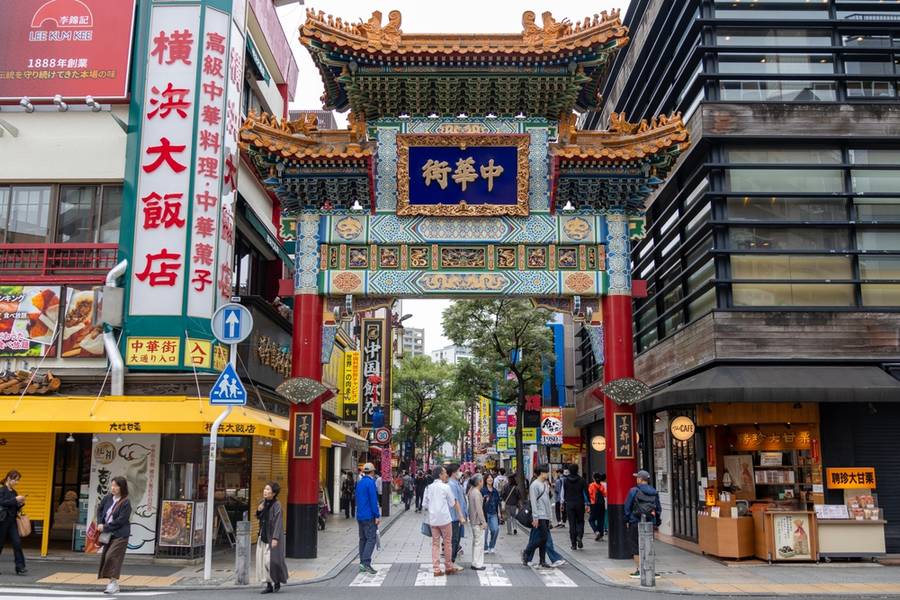
Yokohama Chinatown is the heart of Japan celebrate Chinese New Year festivities and the largest Chinatown in the country. It’s often the first stop for travellers keen on experiencing Lunar New Year in Japan.
What to Expect
The atmosphere here is lively yet welcoming, with families, tourists, and locals joining in to mark the occasion. According to travel features from ByFood and Dash, Yokohama remains the most influential hub for Lunar New Year traditions in Japan, keeping the cultural spirit alive through large-scale events, cultural shows, and community gatherings.
Recommended Hotels in Tokyo Near Yokohama Chinatown
2. Kobe Chinatown (Nankinmachi)

Kobe’s Nankinmachi is the second-largest Chinatown in the country and a key destination for anyone exploring Chinese New Year Japan celebrations. It’s more compact than Yokohama but packed with culinary delights and festive attractions.
What to Expect
Recommended Hotels Near Kobe Chinatown
3. Nagasaki Chinatown

Nagasaki’s Chinatown holds a special place in the country’s cultural landscape. It is home to the famous Nagasaki Lantern Festival, one of the most spectacular seasonal events during CNY Japan.
What to Expect
Recommended Hotels Near Nagasaki Chinatown
Traditions and Festive Customs

Lunar New Year in Japan may not be a national celebration, but its customs remain deeply appreciated within Chinese communities and by countless visitors who enjoy the festive spirit in Chinatowns across the country. The celebrations echo centuries-old traditions that symbolise hope, togetherness, and good fortune. If you’re planning to explore the cultural highlights of the season, these are the customs you’ll encounter most often during Chinese New Year in Japan.
Lion and Dragon Dances: Calling in Luck and Prosperity
The rhythmic beating of drums and the lively movement of performers inside giant lion or dragon costumes are among the most recognisable parts of the season. These dances, seen frequently in Yokohama, Kobe, and Nagasaki, are believed to sweep away bad spirits and welcome luck for the coming year.
Inspired by long-standing Chinese traditions, local associations and cultural groups in Japan work hard to keep these performances strong and meaningful. The atmosphere they create—filled with energy, colour, and community pride—remains one of the key highlights noted by travel writers at ByFood and Dash.
Red Decorations: A Shield Against Misfortune
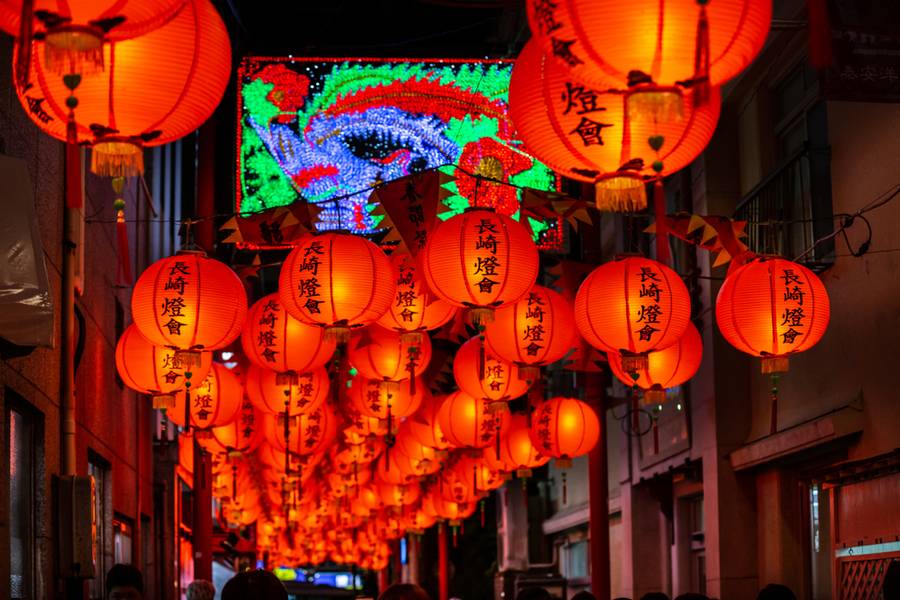
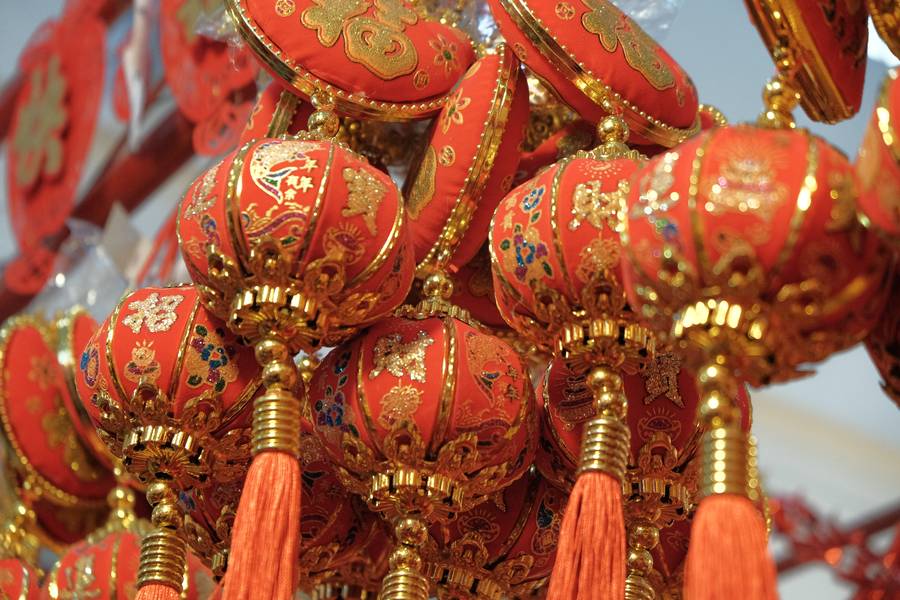
Red is the defining colour of the Lunar New Year, symbolising strength, fortune, and protection. In Japan’s Chinatowns, streets are decorated with red lanterns, bright banners, tasselled ornaments, and zodiac displays. Shops often fill their windows with red paper cuttings and New Year messages wishing for peace, progress, and good health.
Many residents and business owners see these decorations not only as tradition but as a way of honouring their cultural identity. Walking through these neighbourhoods during the season is a memorable experience, especially when the lanterns are lit at night.
Traditional Food: A Feast of Meaning and Wishes
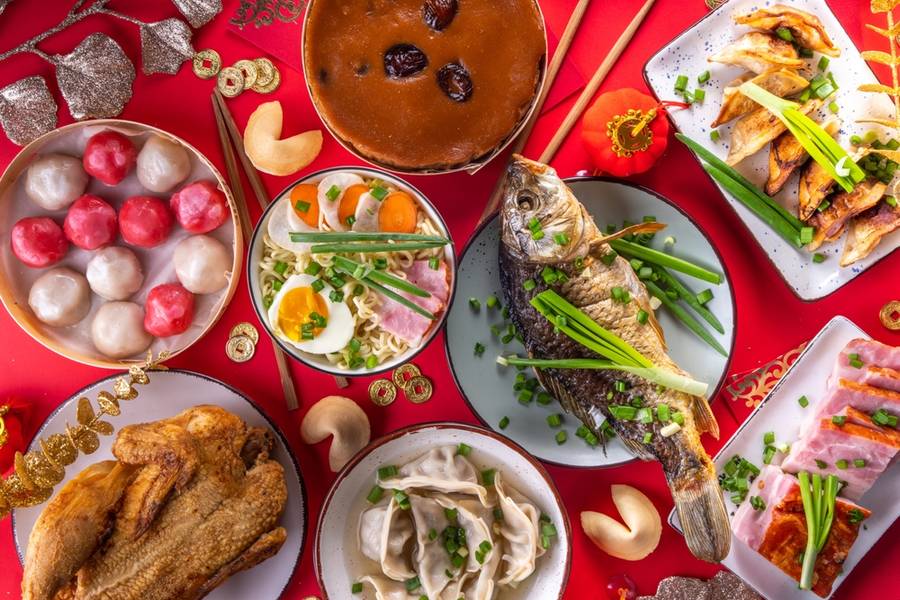
Food is central to the season, and Lunar New Year in Japan would not feel complete without symbolic dishes that represent prosperity and success. In Chinatown districts across the country, you’ll find:
During the celebration week, many restaurants offer special New Year menus inspired by both Chinese classics and local Japanese flavours. As highlighted on ByFood and Dash, this mix of tradition and culinary creativity is one of the most exciting parts of celebrating in Japan.
Prayers and Temple Visits: A Hopeful Start to the Year
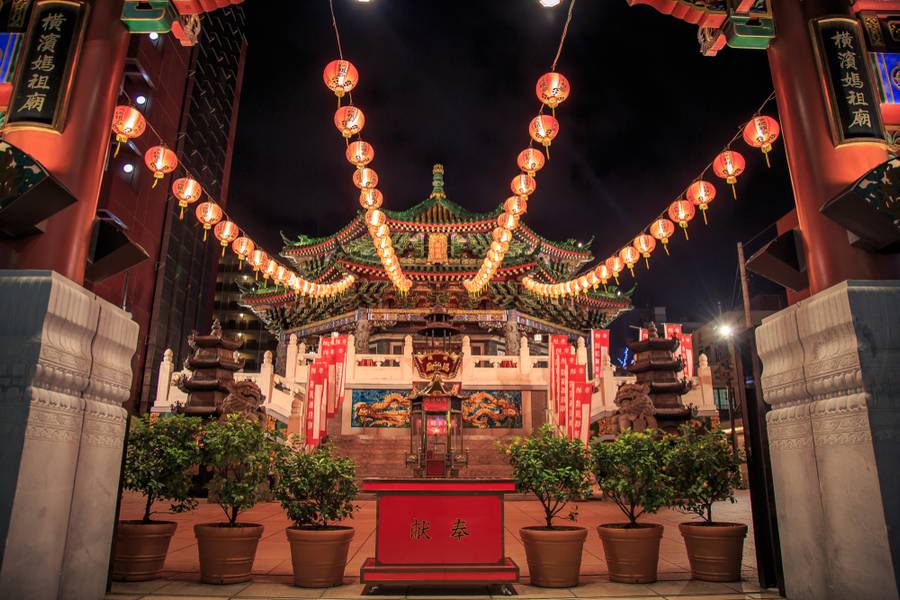
For many visitors, the Lunar New Year season is also a time for quiet wishes and spiritual reflection. One of the most visited places is Kanteibyo Temple in Yokohama, dedicated to the Chinese god of prosperity. People come here to pray for good fortune, health, and success in the coming year.
Lighting incense, offering prayers, and watching traditional rituals at temples during the season can be incredibly meaningful, especially for travellers who want to understand the deeper cultural roots behind the celebrations.
Red Envelopes (Ang Pao): A Gesture of Blessing
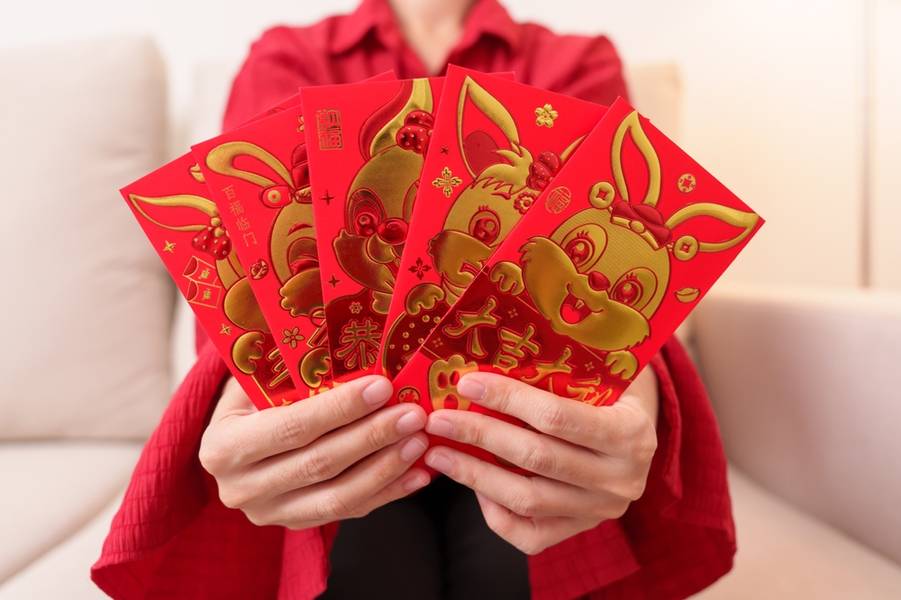
Red envelopes—often called ang pao—remain a warm symbol of generosity. While this custom is mostly kept within Chinese families or communities, some shops in Chinatowns across Japan offer symbolic red packets with purchases during the New Year period.
These envelopes usually contain small tokens, discounts, or written blessings. Even though they may not follow the full tradition of giving money, they still carry the spirit of wishing good fortune for the new year.
If you're planning to enjoy these celebrations, make your travel smoother and better value by checking out Traveloka Coupon Promo for hotels, Singapore to Tokyo flight, and enjoyable activities during your trip.
Difference Between Japanese New Year and Lunar New Year
Japan celebrates the new year very differently from many neighbouring Asian countries, and understanding these distinctions helps travellers appreciate both traditions more deeply. While the Japanese New Year (Shōgatsu) follows the solar calendar, the Lunar New Year reflects centuries-old customs tied to the lunar cycle. Both are meaningful, but each offers its own cultural identity and seasonal charm.
1. Japanese New Year (Shōgatsu): A Fresh Start on 1 January
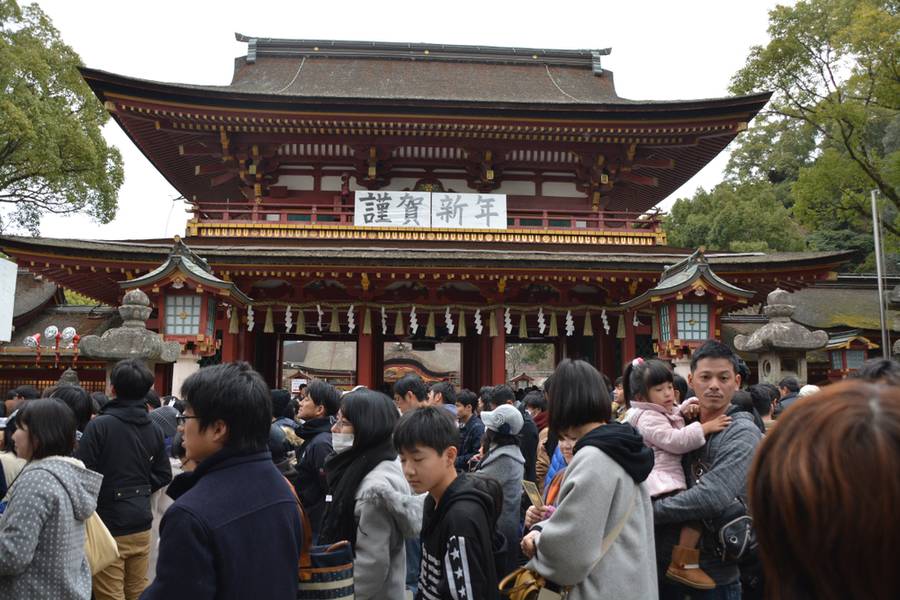
Shōgatsu is one of the most important holidays in Japan, observed nationwide on 1 January. Families gather to welcome a fresh beginning and honour long-standing customs that give the year a peaceful and hopeful start.
Key elements of Shōgatsu include:
2. Lunar New Year: A Cultural Celebration Led by Asian Communities in Japan
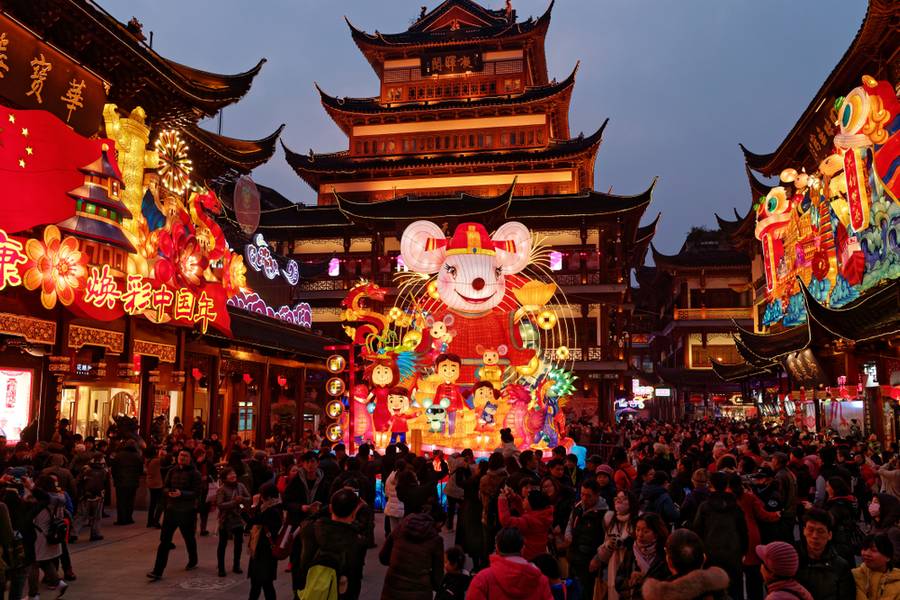
The Lunar New Year, usually falling in late January or February, follows the lunar calendar and is celebrated mainly among Chinese, Taiwanese, and other Asian residents in Japan. Unlike Shōgatsu, it is not a national holiday, but its presence is strongly felt in Chinatown districts and multicultural neighbourhoods.
Traditions during this period often include:
Despite following different calendars, Shōgatsu and Lunar New Year share certain practices that reflect common cultural ideals across East Asia.
Examples include:
Best Time to Visit Japan During Lunar New Year

If you're planning to discover the festive charm of the Lunar New Year season in Japan, late January to mid-February is one of the most exciting periods to travel.
1. A Season of Festivities and Cultural Highlights
The Lunar New Year period aligns with special events in Japan’s Chinatown districts. Lanterns are hung, lion dances fill the streets, and restaurants offer limited-time festive menus. These celebrations bring colour and energy to the colder months, making them ideal for travellers seeking cultural depth. As noted on ByFood and Dash, the mix of heritage and local community spirit gives this season an appeal of its own.
2. Winter Illuminations and Snow Festivals
Alongside Lunar New Year events, Japan lights up with winter illuminations, large-scale light displays that brighten parks, gardens, and entire city streets. Northern regions like Hokkaido host famous snow festivals with ice sculptures, snow villages, and lively markets. This makes the season perfect for travellers who want to enjoy both cultural events and winter scenery.
3. Shopping Sales and Seasonal Offers
Late January to early February is also a great time for shopping. Many malls run New Year sales, meaning visitors can enjoy discounts on clothing, cosmetics, lifestyle goods, and souvenirs. It’s an excellent opportunity to pick up gifts, festive snacks, or traditional items used during Chinese New Year Japan celebrations.
4. Weather: Cold but Clear
Expect chilly temperatures, usually around 0–10°C in Tokyo, with even colder weather in northern Japan. Despite the cold, winter skies are often clear, making it ideal for sightseeing, photography, and enjoying outdoor events without heavy rain.
Read also: Guide Trip Holiday to Japan During Winter
To help plan your seasonal itinerary, you can also check Places to visit in Tokyo for ideas to pair with your Lunar New Year trip.
Activities & Experiences During CNY in Japan

1. Watch Dragon and Lion Dance Performances
The heart of every Japan Lunar New Year celebration is the sound of drums and the sight of dragon and lion dances weaving through the streets. These performances are held across major Chinatowns, especially in Yokohama and Kobe, where local cultural groups continue long-standing traditions brought over from early Chinese communities.
The performers often move from shop to shop, blessing businesses for the year ahead. The mix of costumes, rhythmic beats, and crowd excitement creates a brilliant atmosphere, making it one of the must-see highlights of the season.
2. Enjoy Chinese Banquet Meals at Authentic Restaurants
Food sits at the centre of Lunar New Year traditions, and restaurants in Japanese Chinatowns rise to the occasion with special banquet menus. Classic dishes such as steamed dumplings, crispy spring rolls, roasted meats, seafood dishes, and sweet rice cakes fill the tables.
Many eateries offer limited-time Lunar New Year sets, and according to features from ByFood and Dash, these festive meals are among the most loved experiences for travellers looking to taste a slice of cultural heritage.
3. Explore CNY Markets for Sweets, Souvenirs, and Decorations
Chinatown markets burst into life during the festive period. Red lanterns, zodiac-themed decorations, fortune charms, festive snacks, and New Year sweets line the stalls. The markets give visitors a glimpse into traditions that families from China, Taiwan, and Southeast Asia continue to keep alive in Japan.
Whether you’re picking up handcrafted ornaments or sampling red bean pastries, these markets offer plenty of ways to enjoy the season.
4. Attend the Nagasaki Lantern Festival
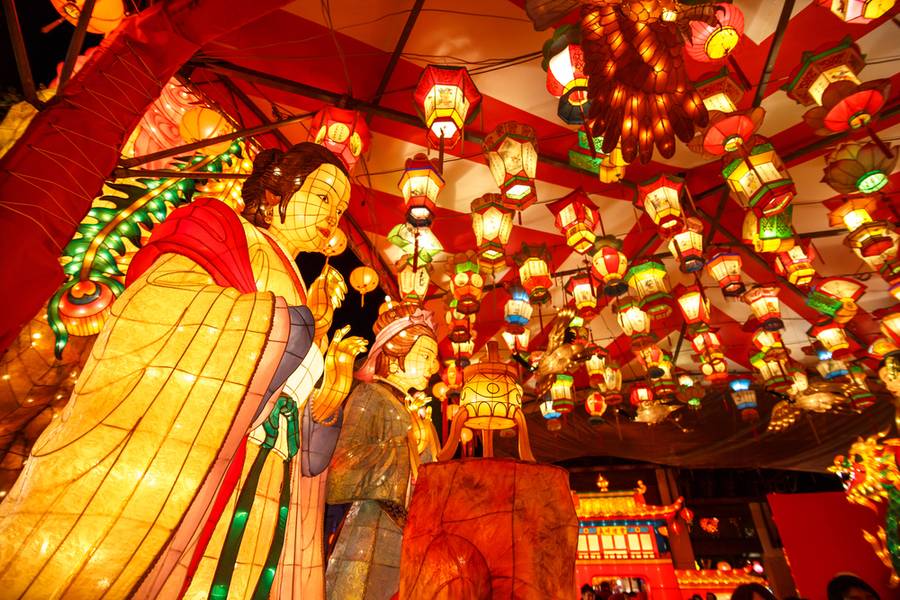
The Nagasaki Lantern Festival is one of Japan’s most admired winter events. Over 15,000 lanterns illuminate the streets, bridges, and parks, creating a glowing cityscape that feels beautifully atmospheric.
Zodiac figures, giant lantern animals, and themed installations are displayed across the festival area. Cultural performances—including Chinese opera, dragon dances, and local shows—give travellers a deeper look into the region’s historical connection to Chinese heritage. According to the Dash travel guide, this is one of the most photogenic events of winter.
5. Visit Temples and Shrines for Luck and Health
Temples such as Kanteibyo in Yokohama become gathering points for visitors seeking a moment of reflection during Chinese New Year Japan. Many people pray for good fortune, career success, and family health.
Watching the rituals, incense offerings, and symbolic gestures offers travellers a deeper understanding of how cultural beliefs blend into Japan’s urban landscape.

Yokohama

Sankeien Garden Admission Ticket | Instant Confirmation | Yokohama

8.7/10
Yokohama
S$7
6. Capture Photos of Lanterns and Firework Displays
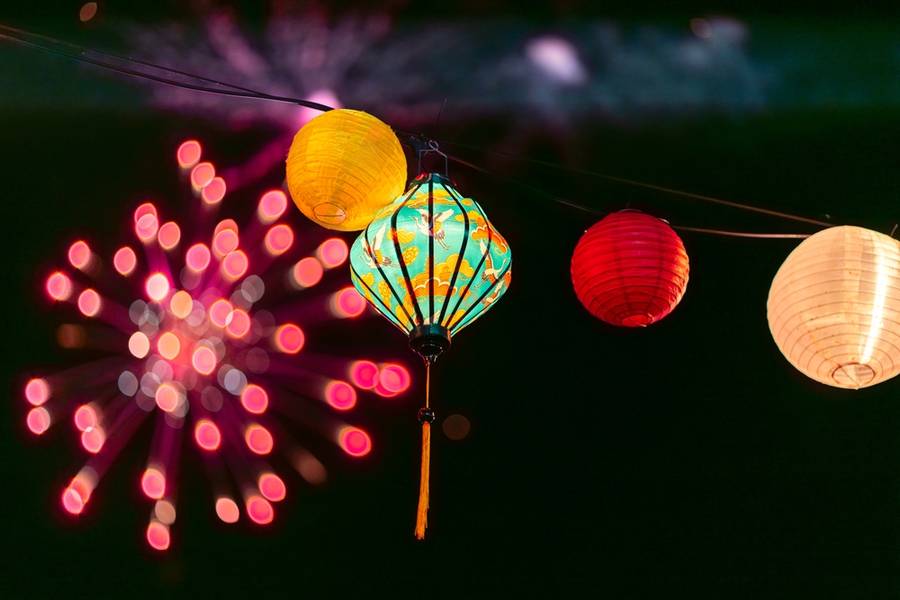
Yokohama and Nagasaki often host lantern installations and firework shows that brighten the winter sky. Photographers love this season because the combination of red lanterns, glowing streets, and festival crowds creates beautiful scenes.
If you enjoy night photography, the Lunar New Year period is one of the most rewarding times to explore.
Shopping & Souvenirs During Lunar New Year
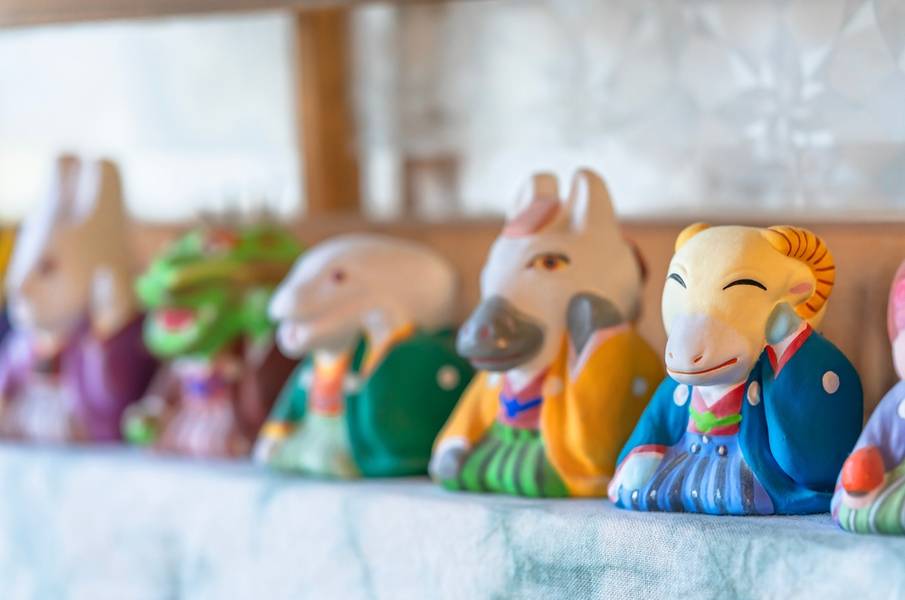
Beyond cultural events, the Lunar New Year period also aligns with Japan’s winter shopping season, giving travellers the chance to enjoy both festive buys and nationwide discounts.
1. Seasonal Sales Across Major Malls
Late January to mid-February is a great time for shopping, as many malls run seasonal promotions. Popular centres such as Ginza Six, Shibuya 109, Shinjuku Takashimaya, and Osaka’s Umeda malls offer discounts on clothing, accessories, beauty items, and lifestyle goods.
These sales align perfectly with the Lunar New Year period, making it a convenient time for travellers to refresh their wardrobe or pick up gifts.
2. Lucky Charms and Lunar New Year Goods in Chinatowns
Chinatown shops prepare for the season with shelves full of:
These make great souvenirs that represent the cultural essence of CNY in Japan.
Read also: Discover the Best 50 Omiyage from Japan
3. Limited-Edition Zodiac Souvenirs
Every year, shops release exclusive items featuring the year’s zodiac animal—whether it’s the dragon, rabbit, snake, or others. These special-edition products are popular among collectors and tourists. They often include stationery, figurines, small accessories, and themed snacks, making them meaningful keepsakes from your trip.
If you’re planning to explore these celebrations, don’t miss out on Things To Do and Attractions Promo to make your trip smoother, more enjoyable, and better value.
Travel Tips for Lunar New Year in Japan

Essential Travel Tips for Celebrating Lunar New Year in Japan
1. Book Your Accommodation Early
Major Chinatown districts such as Yokohama Motomachi-Chukagai, Kobe Nankinmachi, and Nagasaki Shinchi attract huge crowds during the festival week. Hotels near these areas tend to fill quickly. Booking early ensures you stay close to the lively streets, lanterns, and festive markets without long commutes.
2. Arrive Early for Parades and Performances
Dragon dances, lion dances, and stage shows are among the biggest highlights of japan celebrate chinese new year. If you want good viewing spots—especially for Yokohama’s Guan Gong Parade or Nagasaki’s Lantern Festival—plan to reach the venue at least one to two hours ahead. Popular areas become packed, particularly during weekends and public holidays.
3. Expect Some Shops to Close Briefly
Even though Chinese New Year in Japan is not an official Japanese public holiday, some Chinese-owned shops and eateries may close for a day to observe their own celebrations. Always check restaurant hours in advance or have alternative dining options in mind.
4. Prepare for Cold Weather
The Lunar New Year period falls in deep winter. Expect temperatures around 0–10°C in Tokyo and even colder in northern regions. Pack warm layers, gloves, heat packs, and waterproof shoes if you plan to walk around lantern displays or open-air markets.
5. Learn Useful Greetings
A simple greeting can go a long way—especially during festive times. Learning a few phrases in Japanese and Mandarin allows you to connect better with locals and shopkeepers who celebrate the festival. It also makes your experience feel more meaningful and welcoming.
Chinese New Year Greetings in Japan
General Greetings
Greetings for Good Luck & Health
Here’s a closer look at the most popular events that align beautifully with the cny japan period.
Nagasaki Lantern Festival
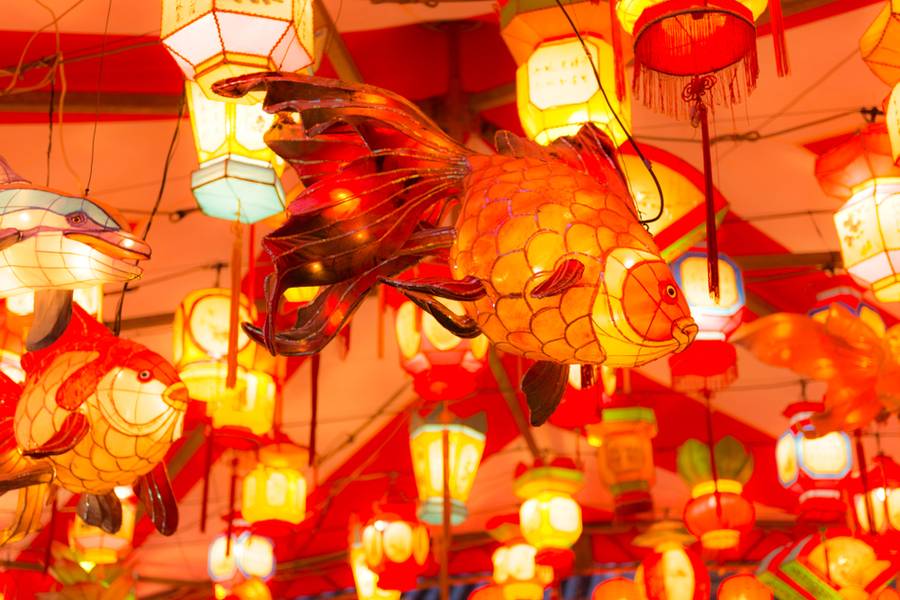
The Nagasaki Lantern Festival is one of the most recognisable Lunar New Year celebrations in the country, drawing its influence from the city’s long-standing Chinese community. Streets glow with more than 15,000 lanterns, creating a warm, festive glow across parks, riversides, and shopping areas.
Expect to see:
This festival makes Nagasaki one of the top destinations for japan celebrate chinese new year, offering a lively yet atmospheric winter experience that feels different from typical snow festivals up north.
Setsubun (3–4 February)

Setsubun is a national event marking the transition from winter to spring, traditionally celebrated around 3–4 February—often close to the Chinese New Year in Japan. While it is not part of the Lunar New Year itself, the timing makes it easy for travellers to enjoy both celebrations in one trip.
Key traditions include:
Snow Festivals in Hokkaido & Nagano
If your travel period overlaps with early to mid-February, combining Lunar New Year with Japan’s snow festivals is an excellent idea. Popular northern events include:

Sapporo Snow Festival
Held in Hokkaido, this is one of Japan’s largest winter events. Expect massive snow sculptures, ice palaces, light shows, and themed installations.
Asahikawa Winter Festival
Known for its enormous snow structures and family-friendly snow activities.
Nagano Snow Festivals
From snow illuminations to ice lantern paths, they add charm to any winter itinerary.
Travelling from warmer cities like Yokohama or Osaka to snowy northern regions gives you two completely different seasonal experiences in one holiday.
Nearby Attractions to Visit During CNY
Whether you’re based in Yokohama, Kobe, or Nagasaki, there are plenty of nearby attractions to explore before or after attending Lunar New Year celebrations. These destinations allow you to enjoy both cultural and modern attractions without travelling too far.
From Yokohama Chinatown

1. Minato Mirai
A waterfront district filled with shops, observation decks, theme park rides, and cafés. It’s also a great place to enjoy winter night views and city lights.
2. Cup Noodles Museum
A fun and interactive museum where you can create your own Cup Noodles, learn about instant ramen history, and explore creative exhibits.
3. Yokohama Red Brick Warehouse
A stylish space with seasonal markets, live shows, pop-up stalls, and restaurants. During winter, the area often features light displays and skating rinks.
From Kobe Chinatown (Nankinmachi)

1. Kobe Harbourland
A scenic waterfront area with shopping malls, cafés, a Ferris wheel, and romantic night views along the pier.
2. Ikuta Shrine
One of Japan’s oldest Shinto shrines, perfect for a peaceful visit between festive meals.
3. Mount Rokko
Ideal for panoramic city views, nightscapes, and wintertime illumination events.
From Nagasaki Chinatown
1. Glover Garden
A charming hillside area with Western-style mansions, gardens, and views overlooking the harbour.
2. Oura Church
A UNESCO World Heritage Site known for its beautiful stained glass and historical importance in Japan’s Christian heritage.
3. Megane Bridge (Spectacles Bridge)
A picturesque stone bridge often decorated with lanterns during festival season.
If you’re also planning time in Tokyo, you can pair these celebrations with popular Tokyo Tourist Attractions, giving your holiday a good mix of culture, modern sights, and seasonal highlights.
Lunar New Year in Japan offers a refreshing mix of cultural heritage, lively Chinatown celebrations, and winter attractions that suit every type of traveller. Whether you're exploring Yokohama’s colourful festivities, enjoying the warm food stalls in Kobe, or admiring the lantern displays in Nagasaki, each destination adds its own charm to the season. Pair your CNY plans with nearby sightseeing spots, snow festivals, or city highlights, and you’ll enjoy a well-rounded holiday filled with stories worth sharing.
If you're planning your trip, make your arrangements early for a smoother experience. Find cheap hotel stays, flight deals, and exciting attraction tickets with Traveloka to make your Japan Lunar New Year holiday easy, comfortable, and budget-friendly.

Tags:
experience in japan
lunar new year
In This Article
Recommended Articles

Japan New Year 2026: Tokyo Fireworks, Traditions & Countdown Events

12 animal cafes in Osaka to visit when you're in Japan

10 Recommended Activities on What To Do in Fukuoka

15 Japanese Food You Must Try on Your First Trip to Japan

10 Best Free Things to Do in Tokyo in 2026 (No Entry Fee Required)

Low Season Japan Travel Tips 2026: Visit for Less, See More, and Skip the Crowds