



Lebih lanjut tentang hotel di Atami
Why Malaysian Travellers Should Visit Atami
Atami is one of Japan's most iconic onsen (hot spring) resort towns, perched along the scenic coastline of Sagami Bay on the eastern Izu Peninsula. For over a century, it has been a favourite retreat for Tokyo residents, and it is now gaining popularity among international visitors — including Malaysians seeking an authentic Japanese hot spring experience. The town combines natural beauty, traditional hospitality, and easy access from Tokyo, making it a perfect addition to any Japan itinerary.
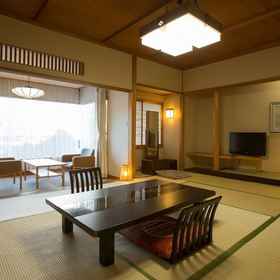
Accommodation in Atami centres on the traditional ryokan (Japanese inn) experience, where guests enjoy tatami-matted rooms, kaiseki multi-course dinners, and private or communal hot spring baths. Budget-friendly ryokans and hotels start from around RM 250 per night, while mid-range properties with ocean views and in-room onsen baths cost RM 400–RM 800 per night. Premium luxury ryokans offering the full traditional experience with multi-course meals range from RM 900–RM 2,000 per night.
Best Hotels and Ryokans in Atami
For a traditional Japanese experience, Atami Onsen Yuyado Ichibanchi offers classic ryokan hospitality with hot spring baths and kaiseki dining. Hinatamikan is another well-regarded property known for its warm atmosphere and quality onsen facilities.
Those seeking a more modern retreat will appreciate The Gran Resort Elegante Atami, which combines contemporary design with hot spring amenities. For nature lovers, Angel Forest Atami Shizenkyo offers a unique glamping-style experience surrounded by forest, complete with outdoor hot spring baths.
Budget-conscious travellers should consider Livemax Resort Atami Sea Front for affordable oceanfront rooms, or Atami Onsen Hotel Onoya for a cosy stay with onsen access at competitive rates.
Experiencing Atami's Famous Hot Springs
Atami's name literally translates to "hot sea," a reference to the volcanic hot springs that once bubbled into the ocean. The town has over 500 natural hot spring sources, and nearly every hotel and ryokan features its own onsen bath. For Malaysian travellers unfamiliar with onsen culture, it is an incredibly relaxing experience — the mineral-rich waters are believed to ease muscle pain, improve circulation, and rejuvenate the skin.
Public bathhouses are also available for day visitors. The Atami Onsen Hihoukan and various foot baths around the town centre offer a chance to sample the waters without an overnight stay. Day-use onsen access typically costs RM 15–RM 50 per person.
Top Things to Do in Atami
The Atami Castle, perched on a hilltop overlooking the bay, offers panoramic views of the coastline and the town below. While it is a modern reconstruction, the views alone make the visit worthwhile, with entry costing approximately RM 15.
The MOA Museum of Art is one of Japan's finest art museums, housing an impressive collection of Japanese and East Asian art in a stunning modern building with ocean views. Admission is around RM 35 per person.
Atami Sun Beach is a popular spot during summer, with its crescent-shaped white sand beach illuminated at night. The town also hosts spectacular fireworks festivals throughout the year, particularly during summer and on national holidays, which can be viewed for free from the beachfront.
Nature enthusiasts should visit the Atami Plum Garden (Atami Baien), which bursts into colour from late January to early March with over 450 plum trees in bloom. The Kinomiya Shrine is home to a sacred camphor tree over 2,000 years old, believed to grant longevity to those who walk around it.
Food and Dining in Atami
Atami is a seafood paradise thanks to its coastal location. Fresh sashimi, sushi, and grilled fish are widely available at restaurants along the harbour and town centre. A quality sashimi lunch costs approximately RM 30–RM 60 per person, while a full kaiseki dinner at a ryokan can range from RM 100–RM 300 per person.
The Atami Ginza shopping street is lined with small eateries, souvenir shops, and bakeries. Local specialities include himono (dried fish) and onsen manju (steamed buns made using hot spring steam). Street snacks cost around RM 5–RM 15 each.
Getting to Atami from Malaysia
Fly from Kuala Lumpur to Tokyo Narita or Haneda Airport, with return flights typically available from RM 1,500–RM 3,000. From Tokyo Station, take the JR Tokaido Shinkansen (bullet train) to Atami — the journey takes just 45 minutes and costs approximately RM 70 one way. If you hold a Japan Rail Pass, the trip is covered at no extra cost.
Alternatively, the JR Tokaido local line connects Tokyo to Atami in about 1 hour 40 minutes for approximately RM 30, making it a budget-friendly option.
Best Time to Visit Atami
Atami is a year-round destination. Spring (March to May) offers cherry blossoms and pleasant weather, while summer (June to August) brings beach activities and fireworks festivals. Autumn (September to November) provides mild temperatures and autumn foliage. Winter (December to February) is perfect for onsen bathing in the crisp air, and the plum garden blooms from late January.
Hotel rates peak during summer holidays (July to August), Golden Week (late April to early May), and New Year. For the best deals, visit during weekdays or in the shoulder seasons of spring and autumn, when rates can be 15–25% lower than peak periods.
Explore More of Japan on Traveloka
Japan offers endless exploration opportunities beyond Atami. Discover hotels near Tokyo Disney Resort for family fun, explore the tea culture of Fukuroi in Shizuoka Prefecture, or venture to the traditional streets of Kyotanabe — all bookable with great deals on Traveloka.