




Lebih lanjut tentang hotel di Osaka
Hotels in Osaka: The Complete Guide for Malaysian Travellers
Osaka is a city that grabs you and refuses to let go. Known as the "Nation's Kitchen" (Tenka no Daidokoro), Japan's third-largest city has built an international reputation on the strength of its extraordinary food scene, its infectious energy, and the legendary friendliness of its people. For Malaysian travellers, Osaka holds a special appeal: it is one of Japan's most Muslim-friendly cities with a growing number of halal dining options, it is connected to Kuala Lumpur by direct and one-stop flights, and it serves as an ideal gateway to the Kansai region, which includes historic Kyoto, the ancient capital of Nara, and the port city of Kobe — all reachable within an hour by train. With over 4,667 hotels available on Traveloka and nightly rates starting from as little as RM 13 per night for capsule hotels and budget hostels, Osaka is genuinely accessible for travellers at every budget level.
Best Areas to Stay in Osaka
Namba and Dotonbori
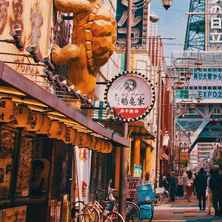
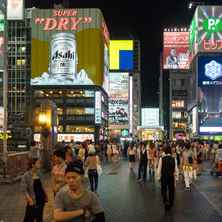
Namba is Osaka's beating heart and the most popular choice for Malaysian visitors. The famous Dotonbori canal, with its dazzling neon signs, the iconic Glico Running Man billboard, and wall-to-wall restaurants serving takoyaki, okonomiyaki, and ramen, is right at your doorstep. Accommodation in Namba ranges from budget capsule hotels and hostels from RM 13 to RM 80 per night, to modern mid-range hotels at RM 150 to RM 350 per night, with a handful of boutique and upscale properties available at RM 400 and above. The area is a short walk or subway ride from Shinsaibashi shopping street, making it ideal for shoppers.
Umeda and Osaka Station Area
Umeda, built around Osaka's main railway hub, is the city's commercial and business centre. Staying here offers unparalleled transport connectivity — you can reach Kyoto in 14 minutes via the Shinkansen from Shin-Osaka (one stop away) and access virtually every part of Osaka within 20 minutes. Hotels in Umeda range from RM 100 to RM 600 per night, with international chains like Hilton Osaka and Ritz-Carlton Osaka commanding the upper end of the market. The area is also home to large department stores and underground shopping malls.
Shinsaibashi and Honmachi
Shinsaibashi sits between Namba and Umeda and is Osaka's premier shopping district. Hotels here are slightly more expensive than in Namba but offer easy access to both the shopping street and the Dotonbori entertainment zone. Expect to pay between RM 150 and RM 500 per night for comfortable mid-range and business hotels. Honmachi, the adjacent business district, has several well-priced business hotels starting from around RM 100 per night and is quieter in the evenings than Namba.
Shin-Osaka
For travellers planning day trips to Kyoto, Hiroshima, or Tokyo via the Shinkansen, staying near Shin-Osaka Station is a practical choice. Hotels here are typically priced from RM 80 to RM 250 per night and tend to cater to business travellers. The area is quieter and less touristy than Namba but offers excellent transport access.
Hotel Prices in Osaka by Star Rating
Budget accommodation in Osaka is remarkably affordable by Japanese standards. Capsule hotels and dormitory-style hostels in areas like Namba and Shinsaibashi can be booked from RM 13 to RM 60 per night, making Osaka one of the cheapest cities in Japan for budget travellers. 2-star and 3-star business hotels — the most common accommodation type in Japan — are widely available across all central neighbourhoods, with rates typically between RM 80 and RM 250 per night. These hotels, often from brands like Toyoko Inn, Dormy Inn, and APA Hotel, offer clean, efficient rooms with reliable Wi-Fi and good transport access. 4-star hotels in Osaka range from approximately RM 300 to RM 700 per night and include international brands and well-regarded Japanese chains with superior amenities, in-house dining, and concierge services. 5-star luxury hotels start from around RM 700 and can reach RM 2,500 or more per night at the most exclusive addresses.
Top Hotels in Osaka
The Ritz-Carlton Osaka in Umeda is the city's premier luxury address, offering European-inspired grandeur and impeccable service in the heart of the commercial district. Conrad Osaka in Nakanoshima delivers a sleek, contemporary five-star experience with panoramic city views and an exceptional location near the Osaka Museum of Art. Cross Hotel Osaka in Shinsaibashi is an excellent choice for design-conscious mid-range travellers, featuring stylish rooms and a rooftop bath at a very competitive price point. Dormy Inn Premium Namba is a perennial favourite for Malaysian visitors seeking comfortable business hotel accommodation in the Namba area at reasonable rates, complete with a natural hot spring bath on the premises. Hotel Monterey Grasmere Osaka near Namba offers a charming European-themed experience at mid-range prices. For budget travellers, First Cabin Midosuji Namba offers an elevated capsule hotel concept with semi-private cabin-style rooms in a prime Namba location from a very low nightly rate.
Best Time to Visit Osaka
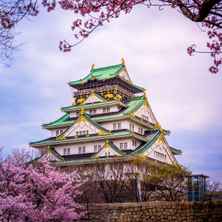
Osaka is a year-round destination, but certain seasons stand out. Spring (March to May) is arguably the most magical time to visit, when the city's many parks — especially Osaka Castle Park — are blanketed in cherry blossoms. The famous Hanami (cherry blossom viewing) season typically peaks in late March to early April, and hotel prices rise significantly during this period as visitor numbers surge — book well in advance through Traveloka. Autumn (September to November) offers spectacular foliage with vibrant reds, oranges, and yellows across parks and temple grounds, and is another peak travel period with higher hotel rates. Summer (June to August) is hot and humid, but it is also the season for Japan's spectacular summer festivals (matsuri), including fireworks displays over Osaka Bay. Winter (December to February) is the low season, offering the best hotel deals — rates can drop by 20 to 40 percent compared to spring — and while it is cold, Osaka rarely receives heavy snowfall, making it comfortable for Malaysian travellers who may not be accustomed to harsh winters.
Getting to Osaka from Malaysia
Osaka is served by two airports: Kansai International Airport (KIX), the main international gateway located on an artificial island in Osaka Bay, and Itami Airport, which handles domestic flights. Most Malaysian travellers arrive at KIX. AirAsia X operates direct flights from Kuala Lumpur (KLIA2) to Kansai International Airport, with flight times of approximately 6 to 7 hours, and is typically the most affordable option for Malaysian budget travellers. Malaysia Airlines and Japan Airlines also operate services between KLIA and KIX, with one-stop options via various hubs. From KIX, the most popular way to reach central Osaka is the Nankai Rapi:t express train (approximately 38 minutes to Namba) or the Haruka Limited Express to Osaka/Umeda via Tennoji. The Limousine Bus service is another convenient option that stops at major hotels and costs around 1,600 yen (approximately RM 48).
Top Attractions in Osaka
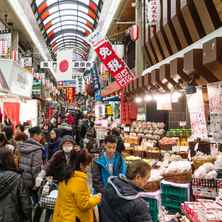
Dotonbori is Osaka's most famous district — a riot of neon signs, canal-side restaurants, and street food stalls that embodies the city's eat-and-play spirit. The Glico Running Man illuminated sign is one of Japan's most photographed landmarks. Osaka Castle (Osaka-jo) is the city's most iconic landmark, a magnificent reconstructed 16th-century castle surrounded by a vast park with cherry blossoms in spring and colourful foliage in autumn. Shinsekai is a retro district with a nostalgic 1950s atmosphere, famous for its Tsutenkaku Tower and kushibatsu (skewered, deep-fried food) restaurants. Universal Studios Japan (USJ) in Sakurajima is a world-class theme park featuring Nintendo World, The Wizarding World of Harry Potter, and numerous other attractions — a full day here is highly recommended for families. Kuromon Ichiba Market is a bustling covered market near Namba nicknamed Osaka's Kitchen, where vendors sell fresh seafood, produce, and cooked street food. Shinsaibashi and Amerika-Mura (American Village) are must-visits for shoppers and fashion enthusiasts. The futuristic Expo '70 Commemorative Park (Banpaku Kinen Koen) and the ancient Sumiyoshi Taisha shrine are also well worth visiting for their historical and cultural significance.
Tips for Malaysian Travellers Visiting Osaka
Malaysian citizens require a visa to visit Japan. However, the Japan tourist visa is straightforward to obtain — apply through the Japanese Embassy or authorised visa agents in Malaysia, and allow 5 to 7 working days for processing. Currency: Japan is still largely a cash-based society. The Japanese Yen (JPY) is the only accepted currency; RM 1 is approximately 33 JPY (check current rates before travel). Withdraw yen from 7-Eleven or Japan Post ATMs, which reliably accept foreign cards. IC Cards: Purchase an ICOCA card (the Kansai region equivalent of Osaka's transit card) at KIX or any major station. It works on subways, buses, and at many convenience stores. Halal food: Osaka has embraced the needs of Muslim travellers more than most Japanese cities. The Dotonbori and Namba areas have several halal-certified restaurants, and halal-friendly conveyor belt sushi and ramen options are increasingly available. Look for halal certification signs, or use halal restaurant apps before your trip. Pocket Wi-Fi or SIM card: Rent a pocket Wi-Fi device or purchase a prepaid data SIM at KIX on arrival for seamless connectivity throughout Japan. Osaka Amazing Pass: This pass offers unlimited travel on Osaka's subway and bus network plus free or discounted entry to over 50 attractions — excellent value for visitors planning to see multiple sights in a short time. Book your Osaka hotel on Traveloka for the widest selection, real guest reviews from Malaysian travellers, and the assurance of secure, convenient payment in ringgit.