






Lebih lanjut tentang hotel di Seoul
Hotels in Seoul: The Complete Guide for Malaysian Travellers
Seoul is a city that rewards curiosity. South Korea's capital is a place of remarkable contrasts — five UNESCO-listed royal palaces from the Joseon Dynasty stand within the city limits alongside some of the world's most striking contemporary architecture, the global Korean Wave (Hallyu) has turned neighbourhoods like Hongdae and Myeongdong into international cultural landmarks, and the Han River bisects the metropolis into the more traditionally-oriented north bank and the ultra-modern, aspirational south bank anchored by Gangnam. For Malaysian travellers, Seoul has become one of the region's most popular destinations, driven by the explosion of interest in K-dramas, K-pop, Korean beauty (K-beauty), and Korean cuisine. With hotels available on Traveloka starting from RM 35 per night across 4,094 properties, a Seoul trip is well within reach for Malaysian travellers at every budget level.
Best Areas to Stay in Seoul
Myeongdong and Jung-gu
Myeongdong is Seoul's most popular district for international tourists and is the top recommendation for first-time Malaysian visitors. The area is packed with K-beauty shops, street food stalls, clothing stores, and easy access to major landmarks including Namsan Tower, Gyeongbokgung Palace (via subway), and Insadong. Hotels in Myeongdong start from around RM 80 per night for budget options and range up to RM 600 for four and five-star properties. The Lotte Hotel Seoul in Myeongdong is one of the city's grandest hotels and a landmark in its own right.
Hongdae (Hongik University Area)
Hongdae is Seoul's youth culture hub — a vibrant neighbourhood built around Hongik University that buzzes with live street performances, indie music venues, independent fashion boutiques, and an outstanding café culture. It is particularly popular with younger Malaysian travellers and K-pop fans. Hotels in Hongdae tend to be on the more affordable end, with guesthouses and budget properties available from RM 35 to RM 100 per night, and mid-range options from RM 120 to RM 300. The area is also well served by direct rail links to Incheon International Airport via the AREX train.
Gangnam and COEX Area
Gangnam, immortalised globally by the PSY music video, is Seoul's most affluent and prestigious district on the south bank of the Han River. The area is home to high-end shopping (including the enormous COEX Mall and Apgujeong Rodeo Street), fine dining, premium beauty clinics, and upscale hotels. Hotels in Gangnam range from RM 200 for mid-range options to RM 1,200 or more for luxury stays. The Intercontinental Seoul Coex and Grand Hyatt Seoul are among the most popular choices for Malaysian business and leisure travellers in this area.
Insadong and Bukchon (Jongno-gu)
Insadong is a charming neighbourhood famous for its traditional craft galleries, teahouses, and antique shops, while Bukchon Hanok Village — just a short walk away — preserves hundreds of traditional Korean hanok houses on the hillside between Gyeongbokgung and Changdeokgung palaces. Hotels in this area range from boutique hanok guesthouses (a unique cultural experience) starting from RM 80 per night to mid-range hotels from RM 150 to RM 400 per night.
Itaewon and Yongsan
Itaewon is Seoul's most internationally diverse neighbourhood, with restaurants, cafés, and shops catering to visitors and residents from across the globe. It is particularly relevant for Muslim Malaysian travellers as it is home to Seoul's largest mosque — the Seoul Central Mosque — and has a concentration of halal-certified restaurants in the nearby Itaewon Halal Food Street. Hotels in Itaewon range from budget guesthouses at RM 50 per night to upscale properties at RM 400 and above.
Hotel Prices in Seoul by Star Rating
Budget accommodation in Seoul — guesthouses (yeogwan), hostels, and budget hotels in areas like Hongdae, Insadong, and Dongdaemun — is available from RM 35 to RM 80 per night. 2-star and 3-star hotels are widely available across central Seoul, typically priced from RM 80 to RM 250 per night. Brands like Ibis Ambassador, L7 Hotels, and various Korean guesthouse chains offer reliable mid-budget accommodation with good transport access. 4-star hotels in Seoul offer superior amenities including indoor pools, gyms, spas, and multiple dining venues, with rates ranging from approximately RM 250 to RM 600 per night. 5-star luxury hotels in Seoul include international flagships from brands like Four Seasons, Park Hyatt, Signiel, and Lotte, with rates starting from RM 600 and reaching RM 3,000 or more per night at the most prestigious properties.
Top Hotels in Seoul
Lotte Hotel Seoul in Myeongdong is one of South Korea's most iconic and storied luxury hotels, with over 1,000 rooms, multiple award-winning restaurants, a rooftop pool, and outstanding service. It has been a landmark of Korean hospitality for decades and remains a top choice for Malaysian visitors. Four Seasons Hotel Seoul in Gwanghwamun is a stunning contemporary luxury property set against the backdrop of Gyeongbokgung Palace, offering some of the finest dining in the city and impeccable service. Park Hyatt Seoul in Gangnam is a sleek, modern tower hotel beloved for its minimalist design and the Floor 24 restaurant with panoramic views. Signiel Seoul in Lotte World Tower in Jamsil is one of the highest hotels in the world (occupying floors 76 to 101 of the 555-metre tower), offering extraordinary views and ultra-premium service. Ibis Ambassador Myeongdong provides reliable, centrally located mid-range accommodation at competitive rates, making it a popular choice for Malaysian families and value-conscious travellers. Sinchon M Hotel near Hongdae is a solid budget-to-mid-range choice in a lively neighbourhood popular with young Malaysian travellers.
Best Time to Visit Seoul
Seoul has four distinct seasons, each offering a dramatically different experience. Spring (March to May) is arguably the best time to visit — cherry blossoms transform the city's palaces, parks, and riverside paths into breathtaking pink landscapes, and the weather is mild and comfortable (10°C to 20°C). Yeouido Island along the Han River is one of the top cherry blossom viewing spots in the world. Hotel prices increase during peak cherry blossom season in late March to mid-April — book early on Traveloka. Autumn (September to November) offers the spectacular spectacle of autumn foliage painting Namsan, Bukhansan, and palace grounds in vivid reds, oranges, and golds, with comfortable temperatures (10°C to 22°C). Summer (June to August) is hot and humid (25°C to 35°C), with a rainy season (Jangma) in late June to July bringing heavy downpours. However, summer also offers lively festivals, outdoor concerts, and Han River park activities. Winter (December to February) can be very cold (-5°C to 5°C) with occasional snowfall that creates a beautiful backdrop for Seoul's many illuminated palaces and outdoor markets. Winter is the low season, offering the best hotel prices of the year. Malaysian visitors should pack warm clothing for winter visits — temperatures significantly below what most Malaysians are accustomed to. Many Malaysians plan winter trips specifically to experience snow for the first time, making a Seoul winter trip a bucket-list experience.
Getting to Seoul from Malaysia
Seoul is served by Incheon International Airport (ICN), consistently ranked as one of the world's best airports, located on Yeongjong Island approximately 60 kilometres west of central Seoul, and the smaller Gimpo International Airport (GMP), which handles domestic flights and some regional international routes. Malaysia Airlines operates direct flights from KLIA to Incheon International Airport, with flight times of approximately 6 to 6.5 hours. AirAsia X and Jeju Air also operate direct or near-direct services from KLIA2 to Incheon. From Incheon International Airport, the most popular option for reaching central Seoul is the AREX (Airport Railroad Express), which offers two services: the All-Stop Train (approximately 56 minutes to Seoul Station, affordable at around KRW 4,150 or RM 13) and the Direct Express (43 minutes to Seoul Station, premium fare of around KRW 11,000 or RM 35). Limousine bus services are also available to major hotels and districts across Seoul. Taxis and ride-hailing services (Kakao T) are available but the journey to central Seoul can take 60 to 90 minutes depending on traffic and costs significantly more.
Top Attractions in Seoul
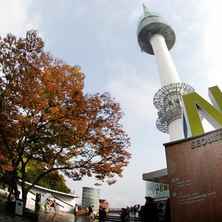
Gyeongbokgung Palace is Seoul's grandest and most iconic royal palace, dating from 1395. The Changing of the Royal Guard ceremony held at the main gate is a spectacular free show and one of Seoul's most photographed events. Bukchon Hanok Village is a living neighbourhood of hundreds of traditional Korean hanok houses perched on a hillside between the palaces, offering an extraordinary window into pre-modern Korean urban life. Myeongdong shopping district is the definitive K-beauty destination, with dozens of Innisfree, Etude House, Missha, and other Korean cosmetics brands lining the pedestrianised streets alongside clothing boutiques and street food vendors. N Seoul Tower (Namsan Tower) atop Namsan Mountain offers panoramic views of the entire Seoul basin and is a romantic landmark particularly popular at night. Dongdaemun Design Plaza (DDP) is a futuristic architectural landmark designed by Zaha Hadid and serves as a major fashion and design hub, hosting exhibitions and events year-round. Lotte World in Jamsil is one of the world's largest indoor theme parks, adjacent to Lotte World Tower (Korea's tallest building). Insadong and Namdaemun Market are unmissable for traditional Korean crafts, street food, and a taste of everyday Seoul life. The Han River parks (Yeouido, Ttukseom, and Banpo) are beloved gathering spots for locals and visitors alike, offering riverside cycling, picnicking, and spectacular views of the city skyline and the famous Banpo Bridge Rainbow Fountain.
Tips for Malaysian Travellers Visiting Seoul
Malaysian passport holders require a visa to visit South Korea. A K-ETA (Korea Electronic Travel Authorisation) was available to Malaysian citizens in the past but the Korean government periodically adjusts visa requirements — check the Embassy of the Republic of Korea in Kuala Lumpur website for the latest entry requirements before booking. When a tourist visa or K-ETA is required, the application process is generally straightforward and can often be completed online or at the Korean Embassy. Currency: South Korea uses the Korean Won (KRW). RM 1 is approximately KRW 305 (check current rates before travel). Korea is increasingly cashless, with credit and debit cards accepted at most hotels, restaurants, and shops. However, it is advisable to carry some cash for traditional markets, smaller eateries, and taxis. T-Money Card: Purchase a T-Money card upon arrival at Incheon Airport or any convenience store — it works on all Seoul Metro subway lines, city buses, and many taxis, and saves time compared to buying individual tickets. Halal food: Seoul has a well-established halal food scene centred around Itaewon Halal Food Street near the Seoul Central Mosque. Many restaurants in tourist areas now offer pork-free or halal options. Halal Korean fried chicken, bibimbap, and Korean BBQ restaurants are available throughout the city. Weather preparation: Malaysian travellers visiting in winter (December to February) must pack adequate warm clothing — temperatures can drop to -10°C during cold snaps, which is an extreme contrast to Malaysia's equatorial climate. Transportation apps: Naver Maps (Korean equivalent of Google Maps) provides the most accurate Seoul transit directions. Kakao T is the leading ride-hailing app in Korea. K-Pop and Korean drama fans: SM Town in COEX, HYBE Insight near Yongsan, and the various entertainment company buildings in Gangnam are must-visit spots for Hallyu fans. Book your Seoul hotel on Traveloka for the best rates, real Malaysian guest reviews, and seamless ringgit payment with Pay Later options.