


Flight Ticket and Schedule From Georgia (AGS) to Kuala Lumpur (KUL)
Flight Information from Georgia (AGS) to Kuala Lumpur (KUL)
Shortest flight time
26 hr(s), 50 mins

Top Flight Deals on Popular Routes


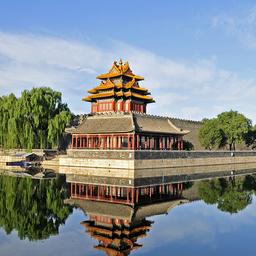
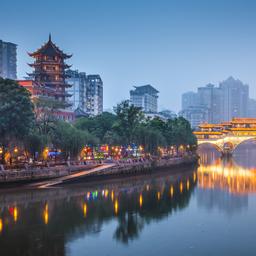
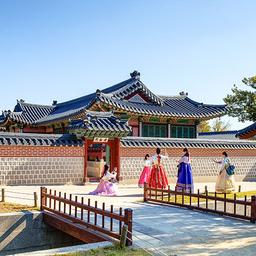
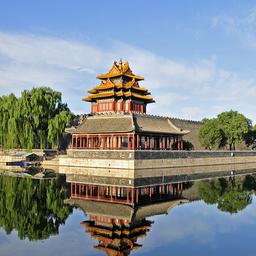

Flight Confirmed? Lock in Your Hotel Today!




Exclusive for new users—register today!
Code:JOMJALAN
About Kuala Lumpur
Ultimate Guide: Augusta to Kuala Lumpur Flight Route 2025
Planning a journey from Augusta, Georgia to the vibrant capital of Malaysia? This comprehensive guide provides everything you need to know about flying from Augusta Regional Airport to Kuala Lumpur International Airport. Whether you're traveling for business or leisure, we've compiled detailed information about flight routes, layovers, airports, and travel tips to help make your long-haul journey as smooth as possible.
Layover Flights
Flight 1: Route: Augusta (USA) → Atlanta (USA) → Incheon (South Korea) → Kuala Lumpur (Malaysia)
Airlines: Delta, Korean Air
Total Flight Duration: 26h 55m
Aircraft: Boeing 717, Airbus A350, Airbus A330
Hartsfield-Jackson Atlanta International Airport (ATL), Atlanta, USA layover for 1h 46m
Incheon International Airport (ICN), Incheon, South Korea layover for 2h 10m
Flight 2: Route: Augusta (USA) → Dallas Fort Worth (USA) → Doha (Qatar) → Kuala Lumpur (Malaysia)
Airlines: American, Qatar Airways
Total Flight Duration: 34h 47m
Aircraft: Canadair RJ 900, Airbus A350, Boeing 777
Dallas Fort Worth International Airport (DFW), Dallas, USA layover for 4h 49m
Hamad International Airport (DOH), Doha, Qatar layover for 5h 15m (overnight)
Flight 3: Route: Augusta (USA) → Charlotte (USA) → Paris (France) → Kuala Lumpur (Malaysia)
Airlines: American, Malaysia Airlines
Total Flight Duration: 29h 15m
Aircraft: Embraer ERJ-145, Boeing 777, Airbus A350
Charlotte Douglas International Airport (CLT), Charlotte, USA layover for 3h 7m
Charles de Gaulle Airport (CDG), Paris, France layover for 4h 5m
Information about schedule and airline subject to change based on airline policy. Please check regularly at Traveloka App.
About Augusta Regional - Georgia
Location
Augusta Regional Airport, also known as Augusta Regional Airport at Bush Field, is located in Augusta, Georgia, United States. Situated approximately 7 miles south of downtown Augusta, the airport serves as the primary air transportation hub for the Central Savannah River Area, which includes parts of eastern Georgia and western South Carolina. The airport is easily accessible via Doug Bernard Parkway and is surrounded by the picturesque Savannah River landscape.
The airport's strategic location makes it convenient for travelers from surrounding areas including Martinez, Evans, and North Augusta, with well-connected road networks providing easy access to and from these communities. Augusta itself is known for hosting the prestigious Masters Golf Tournament annually, which significantly increases air traffic during tournament season.
Airport Terminal
Augusta Regional features a modern, single-terminal design that was renovated in 2007 to enhance passenger comfort and operational efficiency. The terminal spans approximately 57,000 square feet and is designed with a focus on passenger convenience, featuring an open and airy layout with large windows that provide plenty of natural light.
The terminal is divided into two main sections: the ticketing/check-in area on the ground floor and the boarding gates area. There are five gates in total, all equipped with comfortable seating areas and charging stations. The security checkpoint is centrally located and efficiently organized to minimize wait times, especially important for a regional airport where many flights connect to larger hubs.
Transport to Airport
Getting to Augusta Regional Airport is straightforward with several transportation options available:
Private Vehicle: The airport offers convenient short-term and long-term parking facilities located directly across from the terminal building. Short-term parking costs approximately $1 per hour with a maximum daily rate of $10, while long-term parking costs around $8 per day.
Taxi Services: Several local taxi companies operate in Augusta, providing door-to-airport service. The typical fare from downtown Augusta to the airport ranges from $20-30 depending on exact location and traffic conditions.
Ride-Sharing: Services such as Uber and Lyft are readily available in Augusta, often providing a more economical option than traditional taxis. Fares typically start around $15-20 from downtown areas.
Rental Cars: For returning rental cars, the drop-off area is conveniently located near the terminal, with clear signage directing drivers to the appropriate return locations.
Hotel Shuttles: Several hotels in Augusta offer complimentary shuttle service to the airport for their guests. It's advisable to check with your accommodation about this service.
Facilities
Despite its relatively small size, Augusta Regional Airport offers a range of amenities to ensure passenger comfort:
Dining Options: The airport features a café serving breakfast, lunch, and light dinner options, as well as a bar offering beverages and snacks. During Masters Tournament week, additional food vendors are typically added to accommodate increased passenger traffic.
Shopping: A small gift shop offers travel essentials, reading materials, souvenirs, and locally-themed merchandise, particularly focused on Augusta's golf heritage.
Wi-Fi: Complimentary high-speed wireless internet is available throughout the terminal, allowing travelers to stay connected before their flights.
Business Services: A small business center provides basic services including printing and copying facilities, particularly useful for business travelers.
Accessibility Features: The airport is fully accessible with ramps, elevators, and accessible restrooms throughout the facility. Wheelchair assistance is available upon request through your airline.
ATMs: Cash machines are available in the main terminal area for passenger convenience.
Charging Stations: Multiple charging stations for electronic devices are available throughout the seating areas.
Children's Play Area: A small play space is available to keep younger travelers entertained before boarding.
About Kuala Lumpur International Airport - Kuala Lumpur
Location
Kuala Lumpur International Airport (KLIA) is located in Sepang district, approximately 45 kilometers (28 miles) south of Kuala Lumpur city center. As Malaysia's main international gateway, KLIA is strategically positioned within the greater Klang Valley region, serving not only the capital city but also surrounding areas such as Putrajaya, Cyberjaya, and Seremban.
The airport is situated within Malaysia's Multimedia Super Corridor, a special economic zone and high-technology business district, reflecting the country's commitment to technological advancement and international connectivity. KLIA's location was carefully chosen to allow for significant expansion while minimizing environmental impact, with extensive forest reserves and palm plantations surrounding the airport complex.
Airport Terminal
Kuala Lumpur International Airport features two main terminals: KLIA Main Terminal (Terminal 1) and KLIA2 (Terminal 2), which together form one of Southeast Asia's largest aviation hubs.
KLIA Main Terminal (Terminal 1): The main terminal is an architectural marvel, designed by renowned Japanese architect Kisho Kurokawa, who blended modern technology with traditional Malaysian cultural elements. Spanning over 500,000 square meters, the terminal features a distinctive roof inspired by Islamic geometric patterns and incorporates extensive use of natural materials like timber to create a warm, inviting atmosphere.
The terminal is divided into several levels:
- Level 1: Arrival Hall, baggage claim, transportation services
- Level 2: Transfer area
- Level 3: Departure level with check-in counters, immigration, and security
- Level 4: Satellite retail and dining options
- Level 5: Viewing gallery and additional amenities
The Satellite Terminal A is connected to the main building via an automated people mover system that transports passengers through a tunnel featuring rainforest-inspired designs.
KLIA2 (Terminal 2): Opened in 2014, KLIA2 is primarily dedicated to low-cost carriers, particularly AirAsia. It's one of the world's largest purpose-built terminals for budget airlines, spanning 257,000 square meters with 68 departure gates, 80 aerobridges, and 216 check-in counters. The terminal has a modern, spacious design with extensive retail and dining options, making it more like a shopping mall with airport facilities.
Transport From Airport
Kuala Lumpur International Airport offers excellent connectivity to the city center and surrounding areas through various transportation options:
KLIA Ekspres: This high-speed train service connects KLIA directly to KL Sentral (the city's main transport hub) in just 28 minutes. Trains depart every 15-20 minutes during peak hours and every 30 minutes during off-peak times. The service operates from 5:00 AM to 1:00 AM daily, with one-way tickets costing approximately RM55 (about USD 13).
KLIA Transit: Similar to KLIA Ekspres but makes intermediate stops at Bandar Tasik Selatan, Putrajaya/Cyberjaya, and Salak Tinggi. This service takes about 35 minutes to reach KL Sentral and costs slightly less than the Ekspres service.
Airport Coach Services: Several bus companies operate services between KLIA/KLIA2 and various destinations in Kuala Lumpur, including KL Sentral, Pudu Sentral, and major hotels. Tickets cost between RM10-15 (USD 2.50-3.50) one-way, and the journey takes approximately 1 hour depending on traffic conditions.
Taxis and Ride-Sharing: Coupon taxis are available at designated counters in the arrival halls, with fixed fares to destinations throughout Kuala Lumpur. A journey to the city center costs approximately RM80-100 (USD 19-24). Ride-sharing services like Grab are also widely available and often more economical.
Car Rental: Multiple international and local car rental companies have counters at both terminals, offering a range of vehicles for those who prefer to drive themselves.
Facilities
Kuala Lumpur International Airport boasts world-class facilities that cater to diverse passenger needs:
KLIA Main Terminal:
Lounges: Premium lounges operated by Malaysia Airlines, Plaza Premium, and various airlines offering comfortable seating, dining options, shower facilities, and business centers.
Dining: Over 50 food and beverage outlets ranging from international chains like Starbucks and McDonald's to local Malaysian cuisine at outlets like Old Town White Coffee and Mamak.
Shopping: Extensive duty-free shopping areas featuring international luxury brands, local handicrafts, and souvenirs. The terminal hosts boutiques from brands like Hermès, Burberry, and Rolex, along with stores selling Malaysian specialties like pewter, batik, and local food products.
Entertainment: Movie lounges, gaming areas, and cultural shows during festival seasons provide entertainment for travelers with longer layovers.
Wellness: Spa services, reflexology centers, and sleeping pods for rest and relaxation between flights.
Religious Facilities: Prayer rooms for Muslim travelers and multi-faith prayer rooms for other religions.
Medical Services: A 24-hour medical clinic, pharmacy, and first-aid facilities.
KLIA2:
Gateway@klia2: A large shopping mall connected to the terminal featuring over 200 retail and dining outlets.
Capsule Transit Hotel: Located within the terminal, offering compact sleeping accommodations for travelers with long layovers.
Premium Lounges: Plaza Premium and other pay-per-use lounges available for all travelers regardless of airline or class of travel.
Entertainment: Children's play areas, movie lounges, and gaming zones.
Connectivity: Free Wi-Fi throughout the terminal and numerous charging stations.
Baggage Services: Baggage storage and wrapping services available at reasonable rates.
Both terminals offer currency exchange services, ATMs, free Wi-Fi, children's play areas, prayer rooms, and comprehensive information counters to assist travelers.
FAQ Georgia to Kuala Lumpur Flight
- Question: What is the cheapest time of year to fly from Augusta to Kuala Lumpur?
Answer: August tends to be the most economical month to fly from Georgia to Kuala Lumpur, with fares typically dropping by around 4%. Conversely, May is considered the high season, with prices increasing by approximately 14%. For the best deals, consider planning your trip during the low season and booking at least 3-4 months in advance.
- Question: How long is the flight from Augusta to Kuala Lumpur?
Answer: Since there are no direct flights, total journey time ranges from approximately 26-35 hours depending on your chosen route and layover durations. The fastest option typically involves flying through Atlanta and Seoul (Incheon) with a total duration of around 27 hours.
- Question: What airlines offer flights from Augusta to Kuala Lumpur?
Answer: While no airlines offer direct flights on this route, common carrier combinations include Delta/Korean Air, American/Qatar Airways, and American/Malaysia Airlines. These airlines operate connecting services with at least two stops between Augusta and Kuala Lumpur.
- Question: How much does a flight from Augusta to Kuala Lumpur typically cost?
Answer: Round-trip fares generally start from around $1,217, though prices can vary significantly depending on the season, how far in advance you book, and current promotions. One-way flights typically start from around $764. Using Traveloka's price comparison tools can help you find the best available rates.
- Question: What is the baggage allowance for flights from Augusta to Kuala Lumpur?
Answer: Baggage allowances vary by airline and fare class. Typically, economy passengers are allowed one checked bag weighing 23-30kg (50-66lbs) and one carry-on bag plus a personal item. Business and first-class passengers generally enjoy more generous allowances. Since your journey will involve multiple airlines, it's important to check the policies of all carriers in your itinerary.
- Question: Do I need a visa to visit Malaysia from the United States?
Answer: U.S. citizens do not need a visa for tourist visits to Malaysia lasting 90 days or less. However, you must have a passport valid for at least six months beyond your arrival date, a return/onward ticket, and sufficient funds for your stay. For longer stays or business/work purposes, appropriate visas must be obtained before travel.
- Question: What is the time difference between Augusta and Kuala Lumpur?
Answer: Kuala Lumpur is 12 hours ahead of Augusta during Standard Time and 11 hours ahead during Daylight Saving Time. This significant time difference can contribute to jet lag, so it's advisable to adjust your sleep schedule gradually before travel and stay well-hydrated during your flight.
- Question: What is the best way to deal with the long layovers on this route?
Answer: For layovers exceeding 4-5 hours, consider purchasing lounge access for more comfortable waiting areas with amenities like food, Wi-Fi, and shower facilities. For very long layovers (8+ hours), some airports offer transit hotels or city tours. When booking through Traveloka, look for flights with optimized connection times to balance between having enough time to make your connection comfortably and avoiding excessively long waits.
Other Ways to Travel From Georgia to Kuala Lumpur
While flying is the most practical way to travel from Georgia to Kuala Lumpur due to the vast distance, adventurous travelers might consider these alternative (albeit highly impractical) multi-modal options:
1. Air and Sea Combination
Route: Augusta to New York (by domestic flight) → New York to Southampton, UK (by transatlantic cruise, approximately 7 days) → Southampton to Singapore (by container ship or freighter, approximately 25-30 days) → Singapore to Kuala Lumpur (by train or bus, 5-6 hours)
Total Duration: Approximately 35-40 days
This option would involve booking passage on commercial freight vessels that accept a limited number of passengers. This mode of travel is not only time-consuming but also potentially more expensive than flying when considering accommodation costs throughout the journey.
2. Trans-Siberian Railway Adventure
Route: Augusta to New York (by domestic flight) → New York to London (by transatlantic flight) → London to Moscow (by train, approximately 2 days) → Moscow to Beijing via Trans-Siberian Railway (approximately 6 days) → Beijing to Guangzhou (by high-speed train, approximately 10 hours) → Guangzhou to Hanoi (by train, approximately 14 hours) → Hanoi to Bangkok (by multiple trains, approximately 2 days) → Bangkok to Kuala Lumpur (by train, approximately 24 hours)
Total Duration: Approximately 15-20 days
This route offers an incredible cultural journey through multiple countries but requires extensive planning, multiple visas, and significant time commitment.
3. Round-the-World Sailing
For the truly adventurous with sailing experience, joining a round-the-world sailing expedition that includes stops in Southeast Asia would be the most environmentally friendly (though extremely lengthy) option. Such journeys typically take 10-12 months and follow global wind patterns.
These alternative travel methods are presented for interest rather than as practical suggestions. For nearly all travelers, flying remains the only realistic option for traveling from Georgia to Kuala Lumpur given distance, time constraints, and practical considerations.
Explore Kuala Lumpur
Popular Destinations in Kuala Lumpur
Petronas Twin Towers Once the tallest buildings in the world, these iconic 88-story skyscrapers remain Kuala Lumpur's most recognizable landmark. Visitors can access the Skybridge connecting the towers at the 41st floor and the observation deck on the 86th floor for breathtaking city views. The towers are particularly spectacular when illuminated at night, and the surrounding KLCC Park offers beautiful green space with dancing fountains, walking paths, and children's playground areas.
Batu Caves Located just 13km north of Kuala Lumpur, this limestone hill features a series of caves and cave temples that constitute one of the most popular Hindu shrines outside India. The site's main attraction is the massive golden statue of Lord Murugan standing 42.7 meters tall at the entrance, followed by a colorful 272-step staircase leading to the main Temple Cave. The caves are home to various Hindu shrines, resident monkeys, and impressive stalactite and stalagmite formations.
Merdeka Square (Dataran Merdeka) This historically significant plaza marks the spot where the Malaysian flag was first raised, signaling independence from British rule in 1957. The square is surrounded by beautiful colonial architecture including the Sultan Abdul Samad Building with its distinctive Moorish design and clock tower. The Royal Selangor Club, St. Mary's Cathedral, and the National History Museum are all located nearby, making this area a cultural hub for visitors interested in Malaysia's heritage.
Kuala Lumpur Bird Park Home to more than 3,000 birds representing approximately 200 species, this 20.9-acre aviary is one of the world's largest covered bird parks. Visitors can walk through immersive free-flight zones where colorful birds soar overhead and interact with visitors. Daily feeding sessions and bird shows provide educational entertainment, while the park's lush landscaping creates a tropical paradise feel just minutes from the city center.
Central Market (Pasar Seni) Originally built in 1888 as a wet market, this vibrant art deco building has been transformed into a cultural marketplace where visitors can shop for authentic Malaysian handicrafts, artwork, souvenirs, and clothing. The market is organized by cultural zones representing Malaysia's diverse ethnic communities, making it easy to explore Malay, Chinese, and Indian crafts all in one location. The surrounding area features street performers, outdoor cafes, and the nearby Kasturi Walk, a covered outdoor market street.
Popular Cuisine in Kuala Lumpur
Nasi Lemak Considered Malaysia's national dish, nasi lemak consists of fragrant rice cooked in coconut milk and pandan leaf, served with sambal (spicy chili paste), fried anchovies, roasted peanuts, cucumber slices, and a boiled egg. Often wrapped in banana leaf for takeaway, this flavorful dish is enjoyed by locals for any meal of the day, from breakfast to late-night supper. Premium versions might include fried chicken, rendang beef, or seafood. Visit Village Park Restaurant in Damansara for one of KL's most famous versions.
Satay These skewered and grilled meat pieces are marinated in a blend of lemongrass, turmeric, and spices before being charcoal-grilled to perfection. Typically served with a rich peanut sauce, cucumber, onions, and rice cakes (ketupat), satay represents the perfect street food experience. While chicken and beef are most common, visitors can also find lamb and seafood variations. For an authentic experience, head to Satay Station at Jalan Alor where dozens of vendors compete for attention with their smoking grills.
Char Kway Teow This popular stir-fried noodle dish features flat rice noodles cooked with soy sauce, chili, prawns, cockles, bean sprouts, and Chinese lap cheong sausage. The key to authentic char kway teow is "wok hei" – the smoky flavor imparted by cooking in a seasoned wok over high heat. Each vendor has their own recipe, making it a dish worth sampling at multiple locations. Try the famous version at Jalan Imbi Pasar Malam (night market) for a truly local experience.
Roti Canai This flaky, flatbread of Indian origin has become a Malaysian staple, particularly for breakfast. Made by skillfully flipping and stretching dough until thin, then folding it repeatedly before cooking on a flat griddle with ghee (clarified butter). The result is a crispy exterior with soft, layered interior perfect for dipping in dal (lentil curry) or various curry sauces. Visit Valentine Roti in Bangsar for one of the city's best versions, where you can watch skilled "roti masters" perform acrobatic dough-tossing.
Durian Known as the "king of fruits," durian is famous for its pungent aroma (often compared to gym socks or rotting onions) and its creamy, custard-like flesh that inspires passionate devotion among fans. While fresh durian is seasonal, Kuala Lumpur offers countless durian-flavored desserts year-round, including ice cream, pancakes, cakes, and candies. For the authentic experience, visit SS2 Durian stalls in Petaling Jaya during durian season (June-August) where vendors offer multiple varieties ranging from mild and sweet to intensely bitter.
Whether you're planning your first visit to Malaysia or returning to explore more of this diverse nation, the journey from Augusta to Kuala Lumpur offers travelers the opportunity to experience a fascinating cultural contrast. While the lengthy flight may be challenging, the warm hospitality, incredible food, and unique attractions of Kuala Lumpur make it well worth the journey. Book your flight through Traveloka today for the best deals and a seamless travel experience from planning through arrival.
Flight Information to Kuala Lumpur
Flight Duration | 26 hr(s) 50 mins |
Airport in Georgia | |
Airport in Kuala Lumpur |
Frequently Asked Questions
Popular Airline








































Popular Payments













For all your unique travel choices, we got you
Popular Routes from Augusta Regional
Popular Routes from Kuala Lumpur International Airport
Popular Airline to Kuala Lumpur
Popular Routes
Popular Destinations
Popular Airlines
Popular Airline & Destination
Popular Airports
Top Domestic Destination
Top International Destination
Top Flight Airport




Download the App Now


